


Small businesses rarely stall from a lack of tactics. They stall because nobody owns the commercial system from click to collected cash.
Use these four operator checkpoints before signing a fractional CMO contract or another agency retainer.
A fractional CMO for small business is an experienced marketing executive who directs your commercial strategy, customer acquisition architecture, and vendor accountability on a part-time retainer rather than a full-time C-suite salary. According to the U.S. Bureau of Labor Statistics, marketing managers earn a median annual wage of $159,660 and chief executives earn a median of $206,420, while full-time Chief Marketing Officers command $250,000 to $400,000+ in total annual compensation with bonuses and benefits (BLS, 2025; DataForSEO, 2026). Instead of carrying that permanent payroll, a small business retains a fractional leader for five to twenty hours per week to align offers, fix CRM leaks, and govern execution teams (DataForSEO, 2026).
For service firms, agencies, and professional practices generating between $750,000 and $5M in annual revenue, marketing is frequently the costliest source of founder burnout (CLIENT.md, 2026). Most owners have cycled through two or three agencies that promised rapid growth but delivered surface-level click reports and zero net profit. Across a decade of practical experience building web development studios, healthcare marketing systems, and AI workflows, I have seen that small businesses rarely stall from a lack of tactics (CLIENT.md, 2026). They stall because nobody owns the commercial system from click to collected cash. To diagnose your stack before signing another contract, book a free 15-minute introductory call or call +1-848-384-3756 to explore our independent advisory model starting at $499/month (CLIENT.md, 2026).
What Does a Fractional CMO Do? (Core Mandate and Scope)
A fractional CMO owns your commercial growth architecture, ties every marketing channel to CRM pipeline metrics, and enforces weekly accountability across internal staff and external agencies. Unlike a media buyer who only manages ad clicks or a creative shop that bills for deliverables, an embedded marketing leader governs unit economics, customer acquisition cost (CAC), speed-to-lead workflows, and gross margin.
According to the Gartner 2024 CMO Spend Survey of 395 marketing leaders, average marketing budgets fell to 7.7 percent of overall revenue in 2024 (down from 9.1 percent in 2023), leaving 64 percent of surveyed leaders without enough budget to execute their strategies through traditional headcount and agency fees (Gartner, 2024). In a small firm operating on tighter capital, fragmented execution destroys that 7.7 percent budget immediately as vendors chase clicks while leads sit uncalled inside the CRM (Gartner, 2024).
| Core Mandate | Operational Ownership | Primary Deliverable | Weekly Scorecard KPI |
|---|---|---|---|
| 1. Positioning | Audits service margins, pricing, and buyer objections | Differentiated offer and landing page hierarchy | Landing page conversion & gross margin |
| 2. Channels | Balances paid search, paid social, organic search, and referrals | 90-day budget allocation matched to capacity | Blended Customer Acquisition Cost (CAC) |
| 3. CRM Velocity | Wires forms and phone lines into instant SMS and call routing | Automated triggers in GoHighLevel or HubSpot | Median lead response time & show-up rate |
| 4. Vendor Audits | Audits agency contracts, raw ad accounts, and weekly output | Monthly scorecards with keep or cut thresholds | Net Return on Ad Spend & cost per booking |
| 5. Champions | Coaches internal department leads to run daily checklists | Documented SOPs and role-based task boards | Founder hours spent in marketing review |
A fractional CMO executes five concrete operational responsibilities inside a $750,000 to $5M service business (CLIENT.md, 2026):
- Offer and Positioning Refinement: They identify which service lines generate the highest net margins and restructure your primary offer so qualified buyers grasp your value immediately.
- Multi-Channel Acquisition Design: Rather than gambling your budget on one ad channel, they sequence high-intent search, local map visibility, retargeting, and referral workflows.
- CRM Pipeline and Tech Stack Alignment: As detailed in our tech stack audit guide, buying software before building processes creates drag (TRC Insights, 2026). The marketing leader connects landing pages, call tracking, and lead follow-up systems into one source of truth.
- External Agency Governance: They inspect raw ad accounts using structured Google Ads audits and Facebook Ads audits, cutting wasted spend and holding vendors to signed KPIs.
- Internal Champion Enablement: Instead of creating consultant dependency, they train an internal department champion to oversee routine execution (TRC Insights, 2026).
Fractional CMO vs Marketing Agency vs Full-Time CMO: The Decision Matrix
A fractional CMO provides independent commercial leadership and vendor governance, a marketing agency sells tactical fulfillment for specific channels, and a full-time CMO provides 40-hour executive presence at enterprise compensation levels. Confusing these three roles is the single costliest hiring mistake founders make between $1M and $5M in annual revenue (DataForSEO, 2026).
Founders often hire a digital marketing agency expecting the account manager to act as a strategic Chief Marketing Officer. That expectation fails because agencies are built to sell their own fulfillment packages: a Meta ad agency will always prescribe more Meta ad spend. An independent fractional CMO or advisor has zero incentive to push an unnecessary channel; when your landing page or phone intake leaks leads, they pause ad expansion until the funnel works.

The matrix below compares all four leadership models across cost, objectivity, and CRM ownership:
| Criterion | Fractional CMO | TRC Personal Advisory | Marketing Agency | Full-Time CMO |
|---|---|---|---|---|
| Mandate | Part-time strategy & KPI governance | Founder-to-founder systems, AI, CRM & marketing diagnosis | Channel fulfillment (ads, SEO, creative) | Full-time C-suite department management |
| US Cost | $3,000-$15,000/mo (DataForSEO, 2026) | From $499/mo after free 15-min call (CLIENT.md, 2026) | $2,500-$10,000/mo + ad spend (ESTIMATE) | $206,420 median exec to $250,000-$400,000+ (BLS, 2025; DataForSEO, 2026) |
| Terms | 3-6 month or monthly retainer | Monthly advisory; builds billed separately | 6-12 month contract + setup fees | Permanent W-2 salary, benefits, severance |
| Bias | High objectivity if independent | High; diagnosis before optional build scope | Low; incentivized to upsell retainers | High; dedicated to one employer |
| CRM Role | Aligns MQLs with sales SQLs | Audits CRM, call recovery & accountability | Rarely touches internal CRM or sales | Directs enterprise marketing & RevOps |
| Best Fit | $1.5M-$15M firms with staff | $750,000-$5M founders needing clarity | Firms with strong internal leadership | $15M-$50M+ multi-layer enterprises |
See our breakdown on in-house marketing vs agency and our digital marketing agency audit guide when reviewing an existing vendor contract.
The Financial Economics: Fractional CMO Cost, Hourly Rates, and Retainers
In the United States market in 2026, fractional CMO cost ranges from $3,000 to $15,000 per month on a monthly retainer, $200 to $450 per hour for hourly consulting, or $1,500 to $3,500 per day for workshops (DataForSEO, 2026). For small businesses generating under $5M annually, practical retainers cluster between $3,000 and $8,000 per month depending on weekly hours and channel complexity (DataForSEO, 2026; ESTIMATE, verify before committing).
Avoid open-ended hourly billing when engaging senior marketing leadership. Hourly billing rewards slow diagnosis, whereas a fixed monthly scope tied to measurable milestones keeps the advisor focused on pipeline velocity across four standard pricing tiers:
1. Diagnostic Marketing & Funnel Audit Sprint ($3,500 to $7,500 One-Time, ESTIMATE)
Before signing an ongoing retainer, many fractional executives run a two-to-four-week diagnostic sprint to audit ad accounts, inspect CRM conversion leaks, review sales calls, and deliver a 90-day turnaround blueprint (ESTIMATE, market range).
2. Strategic Governance Retainer ($3,000 to $5,000 per Month, DataForSEO, 2026)
At five to eight hours per week, the fractional CMO leads weekly scorecard reviews, governs SEO or PPC vendors, and coaches an internal coordinator (DataForSEO, 2026).
3. Embedded Growth Leadership Retainer ($6,000 to $12,000+ per Month, DataForSEO, 2026)
At ten to twenty hours per week, the fractional CMO acts as your department head during a major repositioning or expansion alongside a fractional integrator or RevOps consultant (DataForSEO, 2026).
4. The TRC Personal Advisory Model (Starting at $499 per Month, CLIENT.md, 2026)
Many founders between $750,000 and $5M in revenue cannot justify spending $8,000 per month on executive meetings before buying an ad (CLIENT.md, 2026). If your total monthly marketing budget is $6,000, paying $4,500 to a fractional CMO leaves only $1,500 for traffic and production (Illustrative Model, 2026). At The Retired Consultant, every engagement starts with a free 15-minute introductory call, and ongoing personal advisory starts at $499/month on /advisory/, keeping over 90 percent of your budget in active acquisition while any optional engineering, CRM builds, or staffing via Integral Technologists and OmniFlow are scoped and billed separately (CLIENT.md, 2026; Illustrative Model, 2026).
Hypothetical ROI Illustration: How Funnel Repair Pays for Leadership
Consider a hypothetical illustration of a service business with a $15,000 client lifetime value (LTV) spending $10,000 monthly on ads to generate 100 leads and 4 clients ($2,500 CAC; source: Illustrative Model, 2026). An audit reveals that 40 percent of inbound calls hit voicemail and web leads wait six hours for a callback (Illustrative Model, 2026). By deploying automated missed call text back workflows and tightening landing page qualification so conversion rises from 4 percent to 6 percent on the same $10,000 ad spend, the firm adds 2 clients ($30,000 gross revenue) per month (Illustrative Model, 2026). Actual results vary based on offer demand, sales follow-up, and market competition, and no legitimate advisor guarantees specific revenue outcomes.
The 90-Day Fractional CMO Growth Roadmap: From Stalled to Scaling
A structured fractional CMO engagement runs on a 90-day execution cadence divided into three 30-day phases: forensic expense and funnel auditing (Days 1 to 30), pipeline and conversion repair (Days 31 to 60), and department champion handoff (Days 61 to 90). Scaling ad spend before completing Phase 1 simply amplifies funnel leaks.
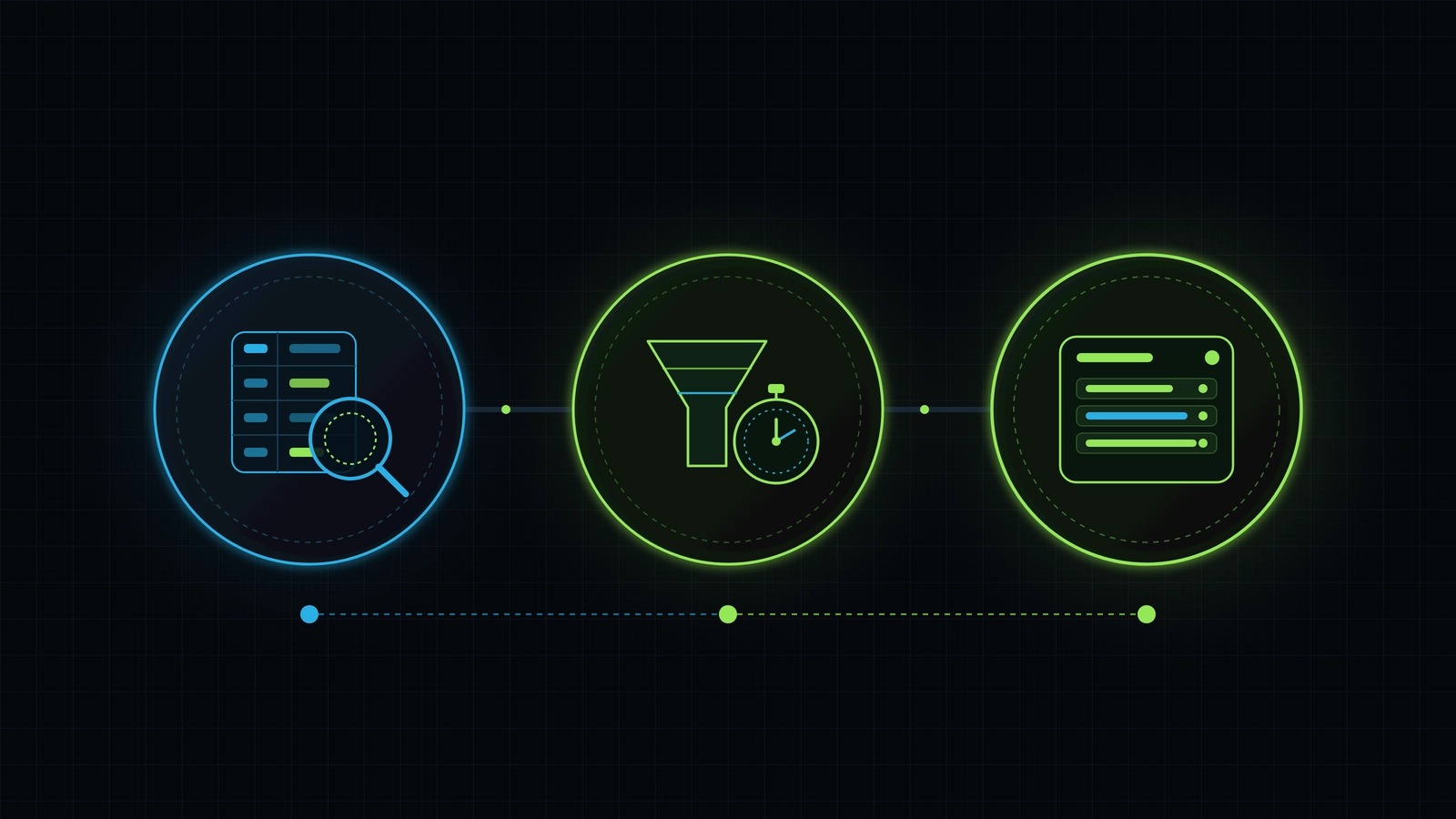
Phase 1: Days 1 to 30 (Forensic Spend Audit and Leak Containment)
The first 30 days stop financial bleed and verify attribution before launching new campaigns:
- Audit Paid and Local Channels: Inspect paid search, paid social, and map listings using our Google Ads audit, Facebook Ads audit, and Google Business Profile audit checklists to pause non-converting spend.
- Measure True Speed-to-Lead: In the Harvard Business Review study The Short Life of Online Sales Leads (auditing 1.25 million leads across 29 companies and 2,241 U.S. firms), firms attempting to contact leads within one hour were nearly 7 times as likely to qualify the lead as those waiting an hour longer and over 60 times as likely as those waiting 24 hours or more, yet only 37 percent responded within an hour (Oldroyd et al., 2011).
- Cut Redundant Martech Subscriptions: In our first-party work consolidating bloated stacks, we helped operators cut over $1,200 per month in overlapping tools by unifying forms, SMS, and pipelines inside one CRM backbone (TRC Insights Checkpoint 32, 2026).
Phase 2: Days 31 to 60 (Conversion Architecture and Pipeline Standardization)
The second 30 days repair conversion bottlenecks between click and booked appointment:
- Sharpen Landing Page Hierarchy: Apply a conversion rate optimization audit to high-traffic pages so the headline, proof block, and booking CTA match buyer intent above the fold on mobile.
- Enforce Objective CRM Stages: Replace vague stages like “Contacted” with verifiable milestones (
Intro Call Booked,Diagnostic Completed,Scope Sent,Closed Won) alongside your RevOps consultant. - Automate Appointment Protection: Deploy SMS confirmation and reminder workflows using our guide on how to reduce no-show appointments.
Phase 3: Days 61 to 90 (Champion Enablement and Weekly Scorecard Governance)
The final 30 days remove the founder from daily marketing firefighting by locking routines into SOPs:
- Train the Department Champion: Select one capable internal team member to own the weekly marketing checklist, CRM hygiene, and vendor follow-up (TRC Insights Checkpoint 6, 2026).
- Lock the Four-Number Scorecard: Every Monday, review Qualified Leads, Median Speed-to-Lead, Cost per Booked Appointment, and Closed-Won Revenue by Channel.
- Document Repeatable SOPs: Turn winning workflows into step-by-step SOPs using our business process documentation for small business guide (“Outcome mil gaya? Turn it into a system”; source: TRC Insights, 2026).
Building the Modern Hybrid Marketing Team: Department Champions and Offshore Economics
The highest-margin alternative to a $10,000/month agency retainer is a hybrid marketing team that pairs fractional strategic direction with one trained internal department champion and dedicated remote execution specialists (DataForSEO, 2026; TRC Insights, 2026). However, hiring remote staff or agencies without an internal management system creates a severe founder trap.
Earlier in my career, I operated multiple offices in Karachi, including a Gulshan office with roughly 50 people in total, including support and clerical staff, before consolidating a three-floor agency operation of roughly 20 to 25 staff down to an agile eight-person core (TRC Insights Checkpoint 5, 2026). The painful lesson from that Gulshan office closure was not simply rising overhead or clients assuming a $20 AI subscription could replace an agency (TRC Insights, 2026). Despite having roughly 50 people on payroll, I remained both the management layer and the production layer, manually checking deliverables and taking client calls myself (TRC Insights, 2026). As I remind founders in Urdu: “Agar banda hire karke bhi uske sar pe kharay rehna paray, toh hire karne ka faida kya hua?” (If you hire someone and still have to stand over their head every day, what was the point of hiring?; source: TRC Insights, 2026).

To build a hybrid marketing team that genuinely frees the founder, structure ownership across three layers:
Layer 1: Independent Strategy & Scorecard Governance (Advisor or Fractional CMO)
The advisor or fractional CMO spends three to five hours per week setting channel priorities, auditing CAC/LTV math, and reviewing the weekly scorecard so strategy stays independent from hourly production billing (DataForSEO, 2026).
Layer 2: The Internal Department Champion (Management & Quality Layer)
Never manage five freelancers directly as the founder. Select one motivated internal team member, train them deeply on your CRM pipeline, ad dashboards, and AI verification rules, and make them your department champion (TRC Insights Checkpoint 6, 2026). Equipped with documented SOPs and practical AI tools for service businesses, that champion supervises daily output without escalating routine questions to the owner (TRC Insights Checkpoint 6, 2026).
Layer 3: Transparent Remote Production Specialists (Execution Layer)
Once the champion and task board are active, add dedicated remote specialists for repetitive production instead of paying agency markups. In our founder-reported offshore staffing experience, dedicated remote graphic designers, video editors, or web specialists can be engaged starting around $300 to $500 per month depending on skill and English fluency, while dedicated inbound phone specialists range from $500 to $800 per month, putting a three-person pod at roughly $1,500 to $2,000 per month in direct labor (TRC Insights Checkpoint 19, 2026; ESTIMATE, verify before committing). Every task is assigned through a structured board (such as iT-Kanban, used inside my operating company Integral Technologists) with explicit scope, deadlines, overdue escalation, and backup coverage so a single absence never drops a campaign (TRC Insights Checkpoint 24, 2026; see how to hold employees accountable).
7 Red Flags When Vetting a Fractional CMO (And Questions to Ask)
The seven biggest red flags when vetting a fractional CMO are enterprise-only resume inflation, hidden agency kickbacks, zero hands-on CRM fluency, obsession with vanity metrics over CAC, vague deliverable scopes, refusal to train internal staff, and premature software rip-and-replace recommendations. Screening candidates against these seven failure modes protects your cash flow and team focus.
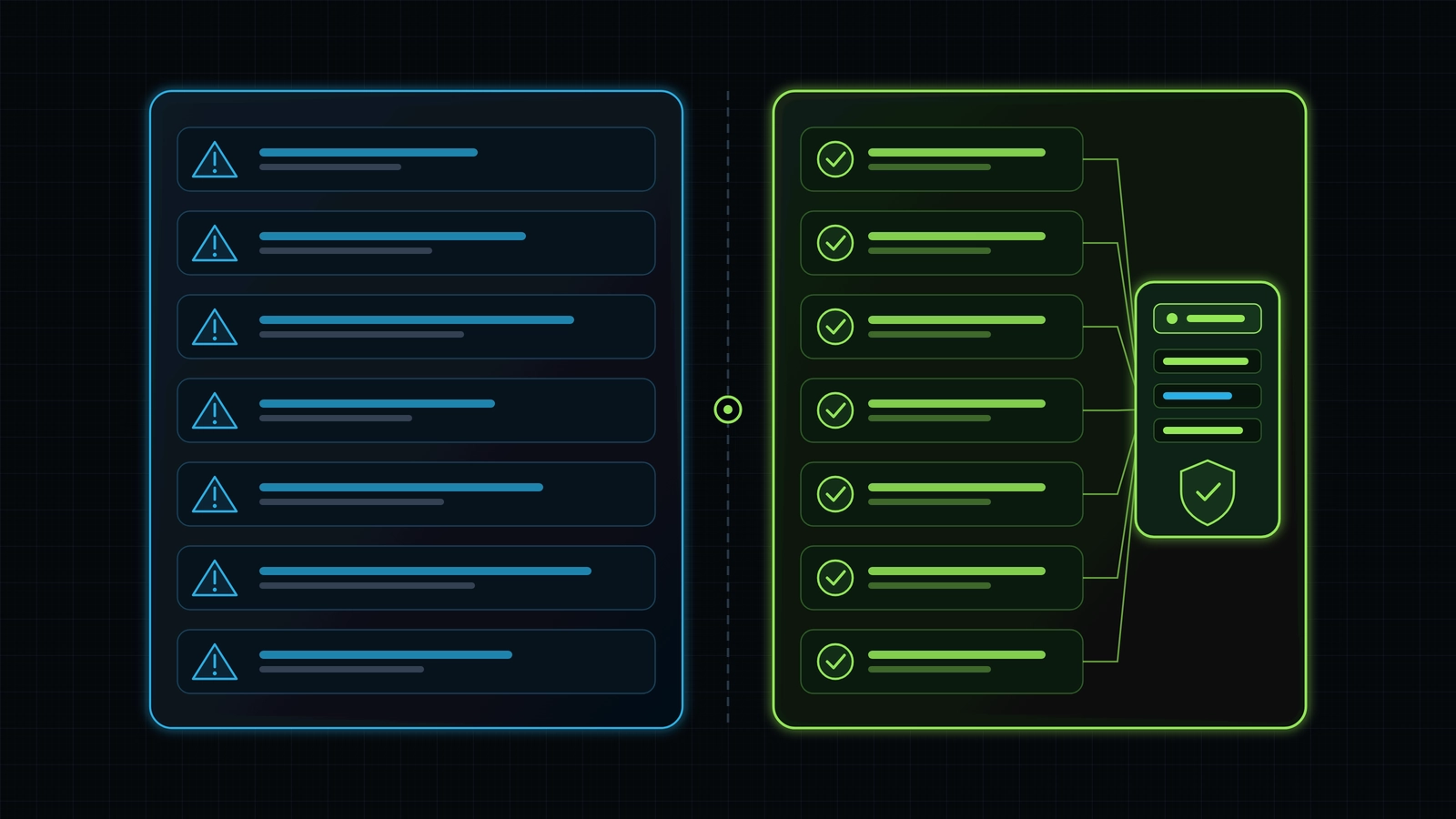
- Enterprise Resume Inflation Without Small-Budget Proof: A former corporate VP who managed $50M brand budgets often fails inside a $2M service firm where a $5,000 monthly ad test must generate booked appointments within 30 days (Illustrative Model, 2026). Demand proof inside $750,000 to $5M owner-led businesses (CLIENT.md, 2026).
- Undisclosed Agency Kickbacks: Many self-described fractional CMOs act as sales reps for a partner agency, firing your team and routing execution to their affiliate shop. Require written disclosure of all operating companies up front (CLIENT.md, 2026).
- Zero Hands-On CRM Fluency: If a candidate cannot log into GoHighLevel or HubSpot to inspect webhook triggers and speed-to-lead timestamps themselves, they are a slide-deck theorist.
- Reporting Impressions Instead of Collected Cash: Any advisor who celebrates clicks or reach while ignoring cost per booked appointment and net margin will drain working capital.
- Vague Scopes Without 30-60-90 Deliverables: Never sign a contract listing only “weekly strategy calls.” Require written 30-day, 60-day, and 90-day deliverables tied to a scorecard.
- Gatekeeping Knowledge Instead of Training Champions: Refusing to document SOPs or train your department champion engineers permanent dependency (TRC Insights Checkpoint 6, 2026).
- Immediate Software Rip-and-Replace Demands: As documented in
@TRC InsightsCheckpoint 18, never throw away a working GoHighLevel CRM pipeline when you can enhance it with better workflows and AI layers (TRC Insights Checkpoint 18, 2026).
Four Interview Questions That Expose Real Operators
Ask every candidate these four questions live on camera:
- “Walk me through the exact 7-day forensic audit you run inside our ad accounts and CRM before spending a dollar on new campaigns.”
- “Show me an anonymized weekly scorecard you built for a $1M to $5M service business and tell me which vendor you cut based on those numbers.”
- “How do you configure our CRM and phone workflows so inbound leads receive a response in under five minutes?”
- “By Day 90, which specific workflows will our internal department champion own without needing you on the call?”
How to Know When Your Small Business Is Ready for a Fractional CMO
Your small business is ready for fractional marketing leadership when you generate at least $750,000 in validated annual revenue, allocate at least $3,000 to $10,000 per month to active marketing execution, and face a strategic governance bottleneck rather than a service delivery failure (CLIENT.md, 2026; DataForSEO, 2026). Hiring a $5,000/month executive before your offer and fulfillment work reliably wastes capital (DataForSEO, 2026).
Use this checklist to choose between a fractional CMO retainer, a $499/month advisory model, or founder-led sales:
- Validated Revenue Floor ($750,000 to $5M+ Annual Revenue): You have repeatable demand and proven margins (CLIENT.md, 2026). Below $500,000 in annual revenue, prioritize referrals and local map visibility first (Illustrative Model, 2026).
- Working Media and Production Budget: If a $5,000 retainer consumes 80 percent of your marketing budget, start with a $499/month advisory model so capital stays in acquisition channels (CLIENT.md, 2026; Illustrative Model, 2026).
- Fulfillment and Onboarding Readiness: Your operations team can absorb 20 to 40 percent more volume using a documented client onboarding checklist (Illustrative Model, 2026).
- Founder Time Trapped in Marketing Review: You spend 10 to 15+ hours weekly reviewing creatives, chasing freelancers, and questioning agency reports (Illustrative Model, 2026).
Frequently Asked Questions About Hiring a Fractional CMO
What is the difference between a fractional CMO and a marketing consultant?
A marketing consultant diagnoses a single channel or delivers a standalone project strategy and exits, leaving the founder to manage implementation alone. A fractional CMO steps into an ongoing leadership seat for five to twenty hours per week, owns the marketing scorecard, manages internal staff and external agencies, and stays accountable for pipeline conversion from click to closed revenue (DataForSEO, 2026).
How much does a fractional CMO cost for a small business in 2026?
Across the United States market in 2026, fractional CMO retainers range from $3,000 to $15,000 per month (with most small-business engagements between $3,000 and $8,000 per month), while hourly rates run from $200 to $450 per hour (DataForSEO, 2026). For founders who want senior operational and marketing systems guidance without heavy executive overhead, The Retired Consultant offers a personal advisory model starting at $499/month after a free 15-minute introductory call (CLIENT.md, 2026).
How many hours per week does a fractional CMO work?
Most fractional CMOs work between five and twenty hours per week per client depending on the retainer tier (DataForSEO, 2026). A strategic governance retainer requires five to ten hours per week for KPI reviews, vendor audits, and champion coaching, whereas an intensive turnaround or multi-channel rebuild requires ten to twenty hours per week during the first 90 days (DataForSEO, 2026).
Will a fractional CMO run our daily ads and write content personally?
No, a fractional CMO does not spend executive hours manually resizing social graphics, coding landing pages, or writing daily blog posts. They set the commercial strategy, write the briefs and scorecards, audit raw ad and CRM data, and direct your in-house department champion, agencies, or remote specialists so tactical production happens on time and on budget.
Can a fractional CMO audit or replace our current marketing agency?
Yes, auditing external marketing agencies is one of the fastest ways a fractional CMO recovers their fee. Within the first 30 days, they inspect raw Google Ads, Meta Ads, SEO deliverables, and CRM attribution to verify whether agency traffic converts into qualified appointments, either enforcing strict new KPIs or transitioning your business to a leaner hybrid team.
How does The Retired Consultant’s $499/month advisory compare to a traditional fractional CMO?
Traditional fractional CMOs charge $3,000 to $15,000 per month to sit in internal meetings for ten to twenty hours per week (DataForSEO, 2026). At The Retired Consultant, we start with a free 15-minute introductory call and provide direct founder-to-founder advisory starting at $499/month to diagnose your funnels, audit vendors, and design your hybrid team architecture, while any optional implementation via Integral Technologists or OmniFlow is scoped and billed separately (CLIENT.md, 2026).
Next Steps: Audit Your Marketing Systems Before Signing a Retainer
Do not sign a $5,000 to $10,000 monthly fractional executive contract or another 12-month agency retainer until you know where your acquisition funnel is leaking revenue (DataForSEO, 2026). Calm, profitable growth comes from systems clarity first: “Kam kaam karo, achha kaam karo, sukoon ka kaam karo” (Do focused work, do high-standard work, and build a calm operation; source: TRC Insights, 2026).
- Book Your Free 15-Minute Introductory Call: Visit our contact page or call
+1-848-384-3756to schedule a free 15-minute introductory call with Faiz Ahmed (CLIENT.md, 2026). - Review the $499/Month Personal Advisory Model: Explore how our independent Executive Tech & Operations Advisory and Services Overview help $750,000 to $5M founders fix CRM speed-to-lead, audit agencies, and train department champions starting at $499/month (CLIENT.md, 2026).
General Business & Financial Disclaimer: All financial models, retainer ranges, offshore staffing figures, and ROI scenarios in this guide are provided for general informational and educational purposes only. Actual marketing, conversion, and revenue results vary significantly depending on industry, offer economics, market competition, and execution discipline. The Retired Consultant makes no guaranteed-results claims regarding search rankings, lead volume, or revenue outcomes.
Internal Links
- Executive Tech & Operations Advisory ($499/Month Personal Advisory Model)
- Book a Free 15-Minute Introductory Call
- Operations, AI & CRM Implementation Services
- In-House Marketing vs Agency: An Owner’s Practical Guide
- Fractional Integrator: Hiring & Operations Guide for Founders
- RevOps Consultant: Revenue Operations Guide for Service Businesses
- Digital Marketing Agency Audit: An Owner’s Guide
- Google Ads Audit: 9-Step Small Business Checklist
- Facebook Ads Audit: How to Stop Wasting Meta Ad Spend
- Google Business Profile Audit: 7-Step Local Maps Checklist
- Conversion Rate Optimization Audit: 7-Step CRO Checklist
- Tech Stack Audit: A Guide for Small Business Owners
- Lead Follow-Up System: Automated Speed-to-Lead Playbook
- Missed Call Text Back: How to Stop Losing Phone Leads
- How to Reduce No-Show Appointments in a Service Business
- Business Process Documentation for Small Business: SOP Guide
- Practical AI Tools for Service Businesses
- Client Onboarding Checklist: Agency & Service Operations Guide
- How to Hold Employees Accountable: Systems Over Micromanagement
References
- U.S. Bureau of Labor Statistics (BLS). (2025). Occupational Employment and Wage Statistics: 11-2021 Marketing Managers and 11-1011 Chief Executives. U.S. Department of Labor. https://www.bls.gov/oes/current/oes112021.htm
- DataForSEO. (2026). Google Keyword Overview, Backlinks Bulk Referring Domains, and Live Organic SERP Analysis: “fractional cmo for small business” (United States, English, pulled 2026-11-15 and 2026-11-16). DataForSEO Labs API. https://dataforseo.com/
- Gartner. (2024). Gartner 2024 CMO Spend and Strategy Survey Reveals Marketing Budgets Have Dropped to 7.7% of Overall Company Revenue in 2024. Gartner Newsroom, May 13, 2024. https://www.gartner.com/en/newsroom/press-releases/2024-05-13-gartner-cmo-survey-reveals-marketing-budgets-have-dropped-to-seven-point-seven-percent-of-overall-company-revenue-in-2024
- Oldroyd, J. B., McElheran, K., & Elkington, D. (2011). The Short Life of Online Sales Leads. Harvard Business Review, March 2011. https://hbr.org/2011/03/the-short-life-of-online-sales-leads
- Google. (2026). Google Search Status Dashboard: Ranking Updates (September 2026 Spam Update & November 2026 Core Update). https://status.search.google.com/
- The Retired Consultant. (2026). Client Record, Commercial Advisory Terms, and Firsthand Founder Checkpoints (
seo/records/CLIENT.md&@TRC Insights). https://www.theretiredconsultant.com/advisory/
