
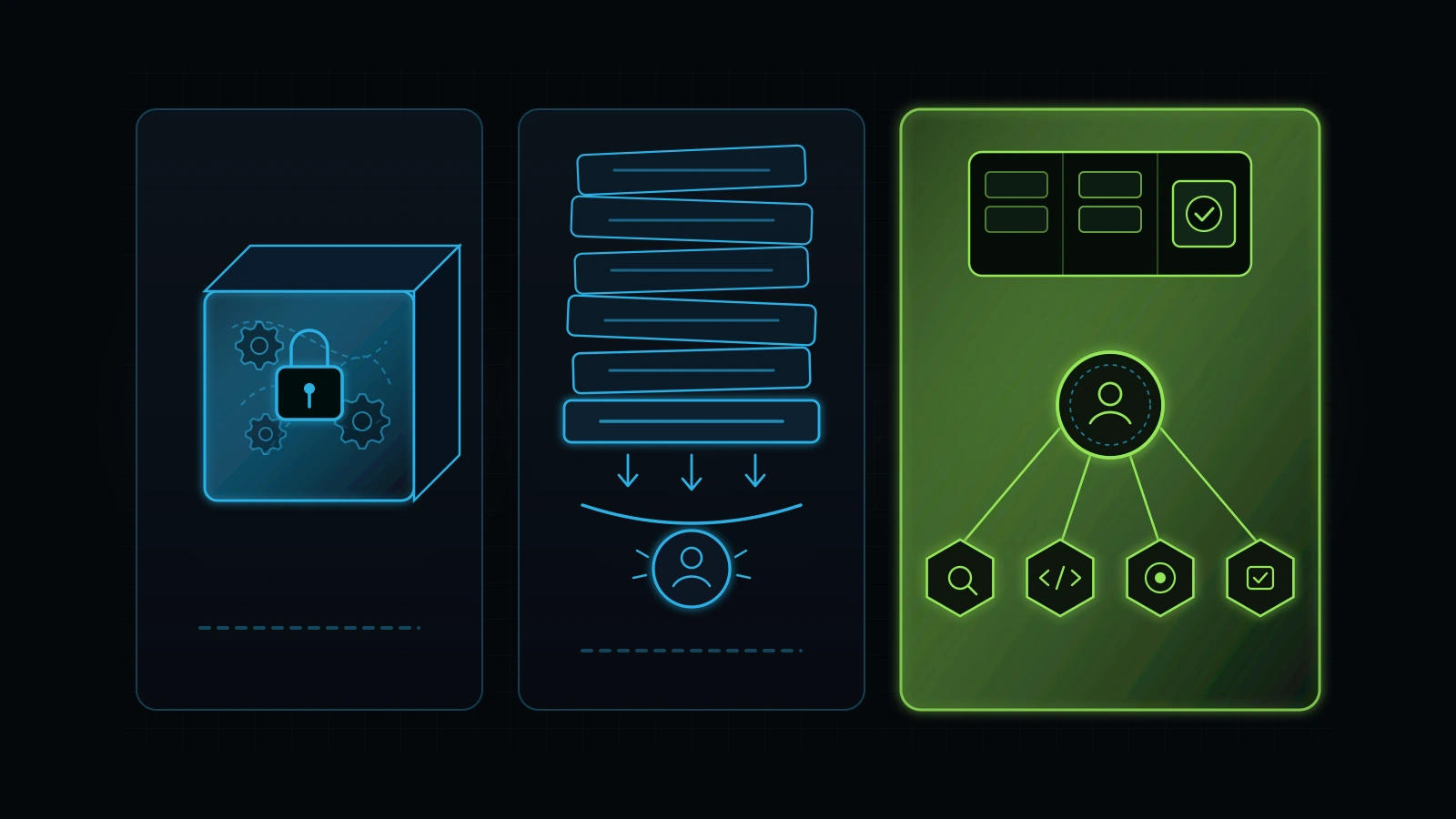
Neither one overwhelmed solo hire nor an opaque $5,000 retainer fixes a business with no operating system.
Use these four operator checkpoints before signing an agency contract or posting a marketing job listing.
For most small and mid-sized service businesses, the classic in house marketing vs agency debate is a false choice because both pure models fail under $3 million to $5 million in annual revenue (Illustrative Model, 2026). Hiring one full-time local marketer expects a single person to master six incompatible technical trades at once, while signing a traditional $3,000 to $5,000 monthly agency retainer often locks your business inside a black box where junior account coordinators burn your budget on disconnected tools (Illustrative Model, 2026). The model that actually works for a growing service company is a third option: keeping your strategy, logins, and one trained internal champion in-house while routing specialized execution (SEO, paid search, design, video, and CRM automation) to targeted specialists and documented AI workflows.
If you have searched Google for in house vs agency marketing or agency vs in house today, you probably noticed why every article on Page 1 sounds the same (DataForSEO SERP report, 2026). Almost every ranking post is written by a digital marketing agency quietly steering you toward their retainer page, apart from a few university career guides and Reddit threads where junior marketers argue about which job pads a resume faster (DataForSEO SERP report, 2026). Nobody in that search result set is writing for the clinic owner, contractor, law firm partner, or service founder signing the checks.
Over a decade of practical experience inside digital agency operations, I have lived both sides of this problem. Before we restructured our operations around documented workflows and AI systems, I ran three agencies out of a three-floor office with roughly 20 to 25 employees. Even with revenue coming in and processes on paper, I was personally trapped managing staffing, client retention, budgets, sales, and quality control all day. Later, I closed that three-floor office and rebuilt around a tight eight-person core supported by specialist leads, clear task boards, and repeatable frameworks, materially cutting overhead while increasing what our team could ship.
This breakdown gives you the honest math on marketing agency vs in house staffing, explains why solo marketing hires and opaque retainers break down in practice, walks through the hybrid champion model we run today, and hands you ten sharp questions to ask a marketing agency before you ever sign a contract.
The 60-Second Verdict: Should You Build In-House, Hire an Agency, or Run a Hybrid Stack?
Choose your marketing structure based on what your business already owns in documented systems and monthly budget, not on a sales pitch. If you have zero documented lead follow-up, no access to your own ad accounts, and no clarity on what a customer is worth, neither an in-house marketer nor an external agency will save you.
Here is the direct rule of thumb I give founders during advisory calls before they spend a dollar on payroll or retainers:
- Under $1,500 per month in total marketing budget (Illustrative Model, 2026): Do not sign a traditional full-service agency retainer, and obviously do not hire a local full-time employee. Keep ownership in-house, designate one sharp person on your existing staff for five to ten hours a week, use two or three affordable $20 monthly AI tools inside written checklists, and hire a single vetted specialist or micro-retainer strictly for the one channel that moves revenue today (such as local SEO, Google Business Profile, or inbound lead follow-up).
- Between $1,500 and $5,000 per month in total marketing budget (Illustrative Model, 2026): This is the danger zone where small businesses lose the most money on flat agency fees. Build an owner-controlled hybrid system: keep your CRM, website, and ad logins in your own name, pair an internal coordinator or fractional architect with targeted remote specialists (for example, a dedicated search specialist, designer, or CRM operator), and reserve real cash for working ad media and authority building.
- Above $6,000 to $10,000+ per month in marketing budget (Illustrative Model, 2026): Put a full-time internal marketing lead or operations champion on your payroll to own brand voice, customer insights, and CRM speed-to-lead, and let that internal lead manage specialized external partners for deep technical channels like paid search, technical SEO, and video production.
| Operating Dimension | Pure In-House Generalist Hire | Traditional Full-Service Agency Retainer | Owner-Controlled Hybrid Stack (Champion + Specialists + AI) |
|---|---|---|---|
| Typical Monthly Cash Outlay (Illustrative) | $5,500 to $8,500+ per month for 1 US full-time hire with taxes/benefits (BLS report, 2026) | $2,500 to $6,000+ per month management retainer plus ad spend (Illustrative Model, 2026) | $1,500 to $3,500 per month across targeted remote specialists, AI tools, and advisory (Illustrative Model, 2026) |
| Breadth of Technical Skills | Narrow: 1 person cannot deeply master SEO, PPC, code, design, video, and CRM at once | Broad on the sales deck; often bottlenecked by 1 junior account manager in delivery | High: distinct specialists handle SEO, ads, design, and CRM under one shared task board |
| Brand Voice and Daily Context | High: sits inside your business, hears customer calls and staff updates daily | Low: external team juggles 15 to 30 client accounts and misses daily operational nuance | High: internal champion holds the brand “mirror brain” and feeds real context into every task |
| System and Data Ownership | High (if documented): company owns accounts, though knowledge often stays in 1 employee’s head | Often low: agencies frequently lock websites, GHL sub-accounts, or ad dashboards in their name | Strictly owner-controlled: client owns domain, repo, CRM, ad accounts, and written SOPs |
| Single-Point-of-Failure Risk | Severe: if your 1 marketer quits or gets sick, 100% of marketing stops overnight | Moderate: if the agency underperforms, switching takes 60 to 90 days of untangling assets | Low: portable SOPs, task-board history, and cross-trained specialists prevent blackouts |
| Best Fit | Firms spending $10k+/mo that need a full-time internal brand and product lead | Firms with a strong internal lead hiring a specialized agency for 1 defined channel | Service businesses wanting multi-channel output without bloated payroll or agency lock-in |
Why “Systems ke baghair kaam hawa mein hota hai” decides both options
When business owners ask me what I would prioritize in the first 90 days if I had to rebuild a service company from zero tomorrow, my answer is never “hire a rockstar marketer” and never “hire a big agency.” My first priority is always accountability, repeatable operating procedures, and clean system architecture before scaling sales or headcount.
As we say in Urdu, “Systems ke baghair kaam hawa mein hota hai” (without systems, work happens in thin air). Without written workflows and a clear task board, even if you get lucky and make money for a few months, the cash gets burned through chaotic delivery and you end up restarting your effort from scratch. Once you achieve a good outcome once, turn it into a reusable system immediately. Whether the person clicking the buttons sits on your payroll or works inside an outside agency, that person is only as effective as the operating system you plug them into.
The Real Cost Math: Comparing a Full-Time Local Hire, a $5,000 Agency Retainer, and a Lean Hybrid Stack (Illustrative Model)
Evaluating in house marketing vs agency honestly starts with stripping away the sticker-price illusion. According to the U.S. Bureau of Labor Statistics (BLS), median annual wages for marketing specialists sit above $70,000 per year (and over $150,000 for marketing managers), while employer costs for benefits, payroll taxes, paid leave, and insurance add roughly 30 percent on top of base wages in private industry (BLS report, 2026). That means hiring even a mid-level in-house marketing coordinator in the United States routinely costs a small business $6,500 to $8,500 per month in loaded payroll before buying a single software license or spending one dollar on Google Ads (BLS report, 2026; Illustrative Model, 2026).
On the other side of the ledger, small businesses regularly get pitched $3,000 to $5,000 per month agency retainers promising an “entire department for less than one employee” (Illustrative Model, 2026). On a whiteboard, that math looks unbeatable. In your bank account six months later, it often feels very different.

Let us compare three ways a service business might deploy $5,000 to $7,500 per month using an illustrative, hypothetical cost model. Every dollar figure below is an illustrative comparison model rather than a guaranteed quote or a record of private company finances, and local wages or vendor contracts vary by market and scope (Illustrative Model, 2026).
| Cost Component (Illustrative Monthly Model) | Model 1: Solo US In-House Generalist | Model 2: Traditional $5,000/Mo Agency Retainer | Model 3: Lean Hybrid Stack (Champion + Remote Specialists + AI) |
|---|---|---|---|
| Base Labor / Retainer Fee | $5,800/mo base salary ($69,600/yr illustrative mid-level wage, BLS report, 2026) | $5,000/mo flat agency retainer (Illustrative Model, 2026) | $499/mo fractional advisory + internal champion (5 hrs/wk existing staff) |
| Employer Taxes, Benefits, and Recruiting | ~$1,740/mo (~30% loaded benefit/tax overhead per BLS report, 2026) | $0 direct payroll tax (baked into agency overhead margin) | $0 extra local headcount overhead |
| Targeted Specialist Execution | $0 left for external SEO, PPC, or video specialists | Pooled fractional hours across junior agency staff | ~$1,500 to $2,000/mo illustrative remote specialist pod (design, dev/SEO, CRM, calling) |
| Software and AI Stack | $400 to $800/mo (overlapping SaaS tools bought ad hoc) | Often $500 to $2,500/mo in agency-mandated SaaS bloat (Illustrative Model, 2026) | ~$100 to $200/mo (consolidated ~$99 CRM + two or three ~$20 AI seats + data APIs) |
| Working Ad Media / Link Authority Budget | Whatever is left over (often $0 after payroll!) | Extra on top of the $5,000 retainer | $2,000 to $3,000/mo preserved for real Google/Meta ad clicks and editorial outreach |
| Illustrative Total Monthly Outflow | ~$8,000/mo before ad spend (Illustrative Model, 2026) | $5,500 to $7,500/mo before ad spend (Illustrative Model, 2026) | ~$2,100 to $2,700/mo operating stack (+ optional ad media) (Illustrative Model, 2026) |
What I learned downsizing a 20 to 25 person three-floor agency to an eight-person core
Why does a $5,000 monthly agency retainer so often produce $1,200 worth of actual work on your account (Illustrative Model, 2026)? Because traditional agencies carry massive structural overhead before anyone writes a headline or audits a search term for your business.
I know that structure from the inside because I built and ran it. Years ago, my agency operated across a three-floor physical office with roughly 20 to 25 employees. When you manage two dozen people across three floors, a huge portion of every client’s monthly fee goes toward keeping the building running, funding layers of middle management, paying account coordinators whose only job is forwarding messages between clients and technical workers, and covering idle capacity between projects. Worse, as the founder, I had zero personal freedom because every hiring mistake, attendance problem, budget variance, and client escalation landed back on my desk.
When we redesigned our operations around AI-supported frameworks and strict task-board workflows, we closed the three-floor office and moved to a much smaller footprint with an eight-person core selected for motivation, capability, and willingness to learn (alongside trusted department leads and specialist contractors). That transition was not a fairy tale where everyone magically adapted; some staff resigned because they did not want to learn new workflows, some were let go for underperformance, and new people had to be trained. While I keep our exact internal company financials and overhead numbers strictly private, the operational result was unmistakable: cutting out the physical bloat and management layers reduced our fixed overhead dramatically while increasing how fast and cleanly our core team could launch and manage client brands.
When you hire a bloated traditional agency today, your retainer is paying for their three-floor office equivalent. You are funding their sales commissions, their account-management telephone game, and their idle bench time.
Budget-proportional allocation versus flat fee swallowing
One principle I insist on when advising small business owners is budget-proportional solution design. Suppose a local service business owner comes to me with $2,000 a month total to grow their organic and local search pipeline (Illustrative Model, 2026). A conventional agency will happily send a proposal for a $2,000 monthly SEO retainer that swallows 100 percent of the client’s budget in a flat management fee (Illustrative Model, 2026).
That is backwards. If an owner has $2,000 a month (or even $300 a month at the very beginning), the advisor or architect fee should stay modest (for example, our initial discovery call is always free across every brand, and my personal ongoing advisory relationship is structured around a straightforward $499 model, with any separate implementation scope agreed transparently up front) so the bulk of the client’s money actually funds working production: a dedicated remote specialist, live keyword and SERP data pulls, verified editorial backlink outreach, and clean content deployment (Illustrative Model, 2026). Never let the management wrapper eat the entire meal. For a deeper look at how lean teams out-ship bloated ones, read our guide on lean operations and scaling down headcount.
Why the Solo In-House Marketing Hire Almost Always Burns Out
When founders get burned by an agency, their reflex in the agency vs in house pendulum swing is to post a job listing on Indeed for a single full-time “Marketing Manager” or “Digital Marketing Specialist” at $65,000 to $85,000 a year (BLS report, 2026). Six months later, both the founder and the employee are miserable.
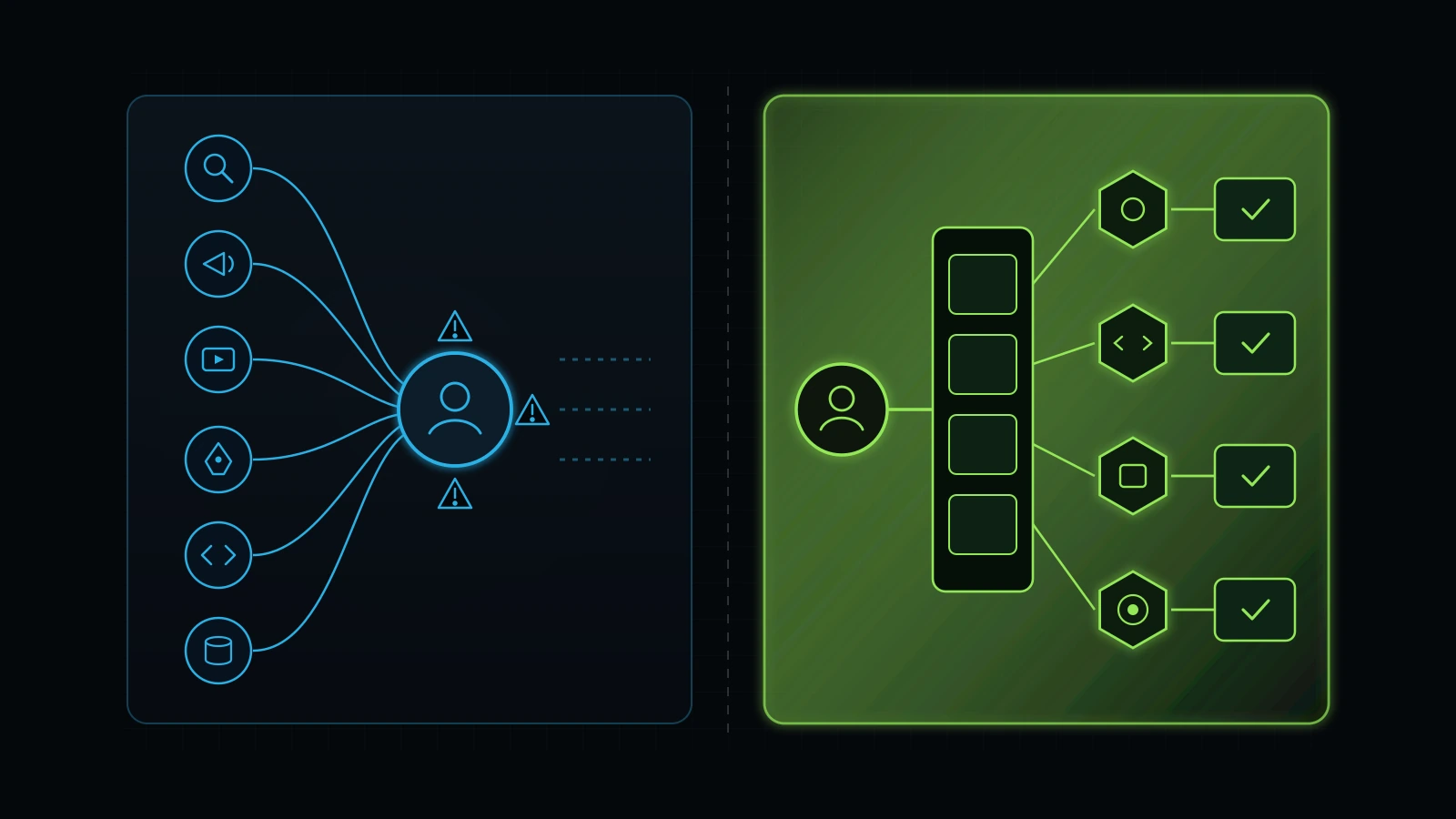
The reason has nothing to do with bad intentions. It fails because modern digital acquisition for a service business is not one job; it is at least six distinct technical crafts, and almost no single human being is fluent in all six at a production level.
The six-hat unicorn myth in small business hiring
Read a typical small-business job description for an in-house marketer and count how many separate professions are crammed into the bullet points:
- Technical and On-Page SEO: Crawling site architecture, fixing canonical and schema markup, researching live keyword difficulty, and writing 3,000-word authoritative guides.
- Paid Search and Paid Social Media Buyer: Managing Google Ads search terms, conversion tracking tags, negative keyword lists, and Meta Ads creative testing without leaking budget.
- CRM and Marketing Automation Engineer: Building GoHighLevel or HubSpot pipelines, missed-call text-back flows, webhook integrations, and five-minute lead routing.
- Graphic Designer and Brand Visual Creator: Designing high-contrast ad creatives, social carousels, and clean web diagrams.
- Short-Form and Talking-Head Video Editor: Scripting, cutting, captioning, and publishing video reels and YouTube assets.
- Copywriter and Front-End Web Maintainer: Updating landing pages, fixing mobile layout bugs, and writing email sequences.
In reality, a candidate who is a sharp social media video creator and graphic designer rarely loves digging through Google Ads search-term spreadsheets or debugging JSON-LD schema. Conversely, a technical SEO and CRM systems nerd usually hates filming trending Instagram reels. When you hire one full-time local generalist, you get their one natural strength for 20 percent of the week and amateur guesswork across the other 80 percent of your marketing channels (Illustrative Model, 2026).
“If I hire someone and still have to stand over their head, what was the point of hiring?”
There is a second, quieter reason in-house marketing hires fail inside small service firms: the founder cannot actually verify the work without becoming a full-time creative director.
Early in my career, I hated the rigid, authoritarian micromanagement I had seen in traditional workplaces, where bosses cared more about what minute someone walked through the door than what they produced. When I started my own agency, I tried the exact opposite experiment: a relaxed, hands-off, trust-based environment where people could work autonomously and be judged purely on results.
Operationally, that hands-off experiment failed hard. Candidates exaggerated their technical skills during interviews, deadlines slipped quietly, and deliverables went out half-baked unless I personally inspected every step. It taught me a blunt rule I still repeat in Urdu whenever founders talk about hiring: “Agar banda hire karke bhi uske sar pe kharay rehna paray, toh hire karne ka faida kya hua?” (If you hire someone and still have to stand over their head all day, what was the point of hiring them?).
Autonomy only works when three things already exist before the employee’s first Monday: verified technical competence, honest written expectations, and a measurable delivery system. If you hire a solo in-house marketer into a business that has no written SOPs, no campaign checklists, and no someone senior who knows how to grade their Google Ads or SEO work, one of two bad things happens. Either you spend ten hours a week hovering over their shoulder editing Canva graphics, or you leave them alone for six months and discover they spent $45,000 in payroll publishing three blog posts and boosting Facebook posts to the wrong zip code (Illustrative Model, 2026).
The single-point-of-failure problem on inbound leads and daily coverage
Even when you find a hard-working in-house marketer, relying on a team of one creates an operational fragility most owners overlook until an emergency hits.
In a service business, marketing and lead capture are time-critical. If you are paying for Google Ads or local service traffic, inbound phone calls and web inquiries need a response within minutes. Over my decade of running agency operations, some of our most painful client losses happened not because the marketing strategy was wrong, but because a single frontline staff member assigned to a time-critical role (such as answering inbound ad-driven phone calls) was unexpectedly absent without notifying the team in time to switch on backup coverage.
Genuine family and medical emergencies happen to everyone and deserve human respect. The operational lesson for a business owner is that delegation transfers tasks, never your business’s accountability to the customer. When your entire marketing, CRM, and lead-handling operation lives inside one in-house employee’s laptop, a two-week illness or a sudden resignation freezes your pipeline overnight. A durable marketing system requires cross-trained backup and AI-first, human-backed coverage so no single absence shuts down revenue. If you want to build accountability that does not rely on hovering over desks, read our playbook on how to hold employees accountable without micromanaging.
Why the Traditional $5,000/Month Agency Retainer Breaks Down
Now let us turn the microscope onto my own industry. If hiring one solo in-house generalist is a trap, why does outsourcing to a traditional marketing agency leave so many small business owners bitter?
To be fair and accurate, plenty of ethical, skilled agencies do solid work when paired with an educated client. However, a huge segment of the B2B agency market runs on an incentive structure that actively hurts small service businesses. Instead of reducing your operational complexity, bad retainers profit from it.
The Frankenstein tech stack and SaaS bloat trap (Illustrative Pattern)
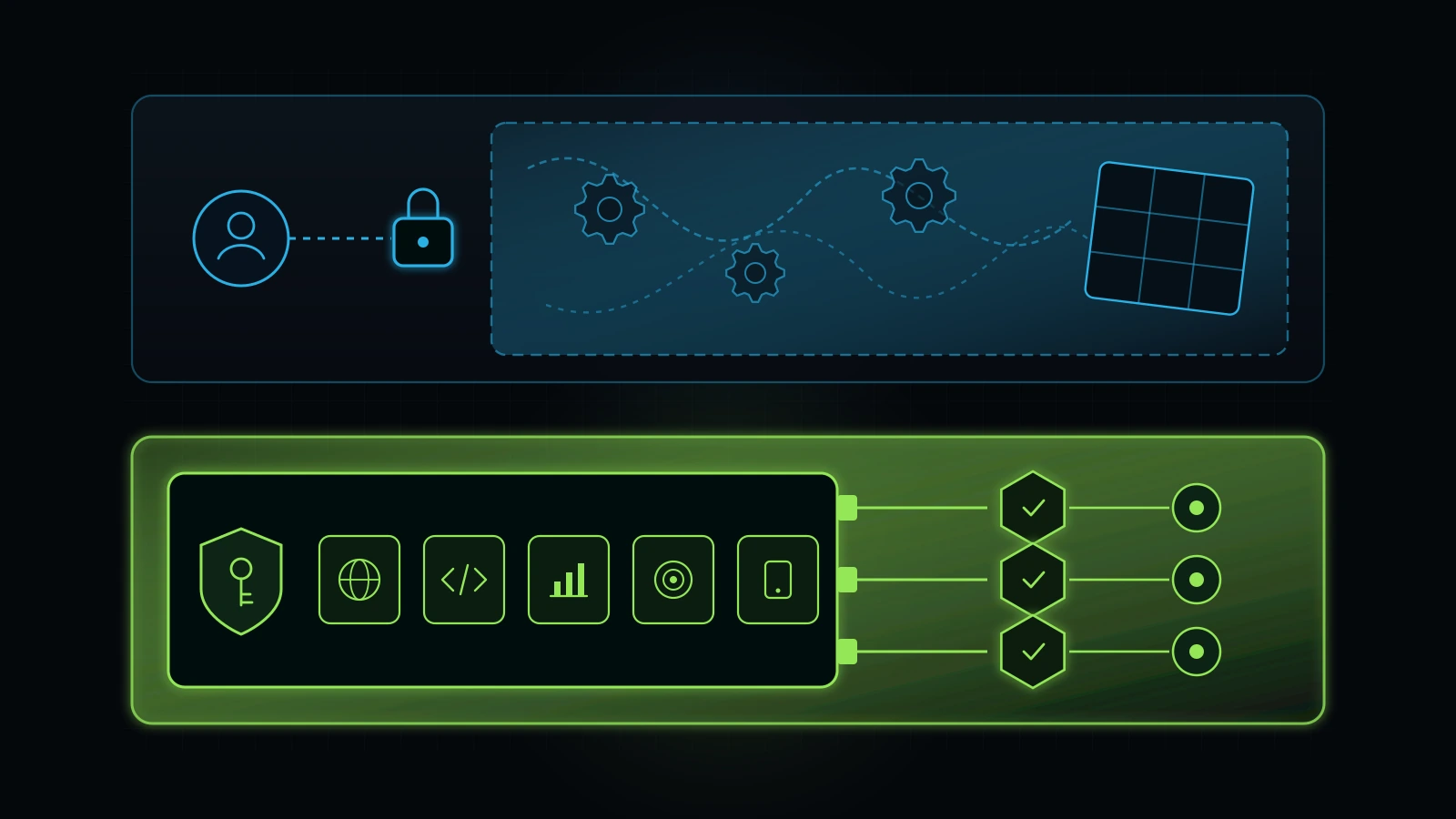
Look at a pattern I see repeatedly when business owners bring me in as an independent advisor after firing an agency (all dollar figures and automation counts below represent an illustrative composite pattern of common agency bloat, not a single named client):
The owner hired an agency at $5,000 per month because they were promised a clean, modern growth system (Illustrative Model, 2026). Twelve months later, when we open the hood to audit what they actually got, we find a Frankenstein tech stack:
- A GoHighLevel or CRM sub-account that nobody on the owner’s team understands, locked inside the agency’s master account so the business loses its pipelines and templates the day it cancels the retainer.
- Dozens of broken Zapier automations (say, 43 tangled zaps in an illustrative messy build) firing errors into the void because someone changed a form field four months ago and nobody monitored the webhook logs.
- A CRM functioning like a very expensive, messy spreadsheet, where leads sit uncalled for three days while the agency celebrates “cost per lead” on a monthly PDF.
- An extra $1,500 to $2,500 per month in overlapping SaaS subscriptions (call trackers, landing page builders, chat widgets, reporting dashboards, and AI wrappers) that somehow created more manual copy-pasting for the front desk (Illustrative Model, 2026).
And when leads dry up or automations break? The bad agency playbook always has the same answer: “You just need to upgrade to our next retainer tier or buy this shiny new AI tool.” When an agency profits from managing complexity they built for you in the first place, they have zero financial incentive to simplify your stack.
Bait-and-switch staffing and the “green PDF” reporting illusion
The second agency failure mode happens inside the staffing handoff. During the sales pitch, you speak with the agency founder or a sharp senior strategist who understands unit economics, search intent, and conversion rates. The week after your first retainer check clears, that senior strategist vanishes to close the next deal, and your account is handed to a junior coordinator managing twenty-five other small business clients at once (Illustrative Model, 2026).
Because that junior coordinator does not have the time or experience to diagnose real revenue bottlenecks, your monthly check-in call turns into a fifteen-minute walkthrough of a green-colored Looker Studio PDF:
- They show you “impressions are up 40 percent” without mentioning that most of those impressions came from your own business name on Google Business Profile or irrelevant display placements (Illustrative Model, 2026).
- They report “68 conversions in Google Ads” without checking that 50 of those conversions were repeat page-view triggers, thirty-second spam calls, or existing customers clicking your branded ad to find your phone number (Illustrative Model, 2026).
- They deliver four generic 600-word blog posts written by an unguided AI prompt that target keywords with zero buyer intent and zero chance of ranking.
That is why I tell every founder that The Retired Consultant exists to make you dangerous enough to audit your own marketing, even when you choose to outsource execution. You do not need to know how to configure DNS records or write Python scripts yourself, but you must know how to check whether the work you paid for actually happened. If you already pay a monthly retainer today, bookmark our step-by-step digital marketing agency audit and our 60-minute Google Ads audit checklist.
Early firsthand disillusionment: why promises without delivery systems destroy trust
My allergy to opaque agency sales pitches started very early in my career. Roughly a decade ago, before I built my own systems, I briefly took a sales role at what I believed was a legitimate website development agency. Within about a week on the floor, I noticed something that made my stomach turn: customers were being charged $200 to $300 upfront advances for websites promised in roughly one week, yet I could not find evidence of real deliveries going out, staff were told to block customers asking for refunds, and payment merchant accounts were constantly being rotated (a firsthand personal account from my early career, shared here without naming individuals to illustrate why sales-first operations fail).
I walked out of that job after about a week completely disillusioned with traditional “close the deal at all costs” agency culture. That experience burned three permanent rules into how I run businesses today:
- Delivery systems come before sales. Never sell a capacity or timeline your operational pipeline cannot fulfill reliably.
- Fair, transparent exchange: As I put it in plain Urdu, “Maine aapka kaam time pe kiya hai, mujhe mere time pe paise do; main aapki zindagi aasan karun, aap meri zindagi aasan karo” (I did your work on time, pay me on time; I make your life easier, you make my life easier).
- Show working proof, not slide decks. Whether you hire an employee or an agency, demand to see the live repository, the live ad account change history, the live Search Console queries, and the live task board.
The Third Option: How to Build an Owner-Controlled Hybrid Marketing System
Once you see why both a $7,000-per-month solo generalist and an opaque $5,000-per-month agency retainer fail a small service business, the solution becomes obvious (Illustrative Model, 2026). Stop buying either extreme. Build a hybrid marketing system where your company owns every asset and operating rule while modular specialists and AI workflows execute the heavy lifting.
This is the exact architecture we use inside Integral Technologists and OmniFlow, and it is the model I help founders set up when they want calm, predictable growth without managing a three-floor office.
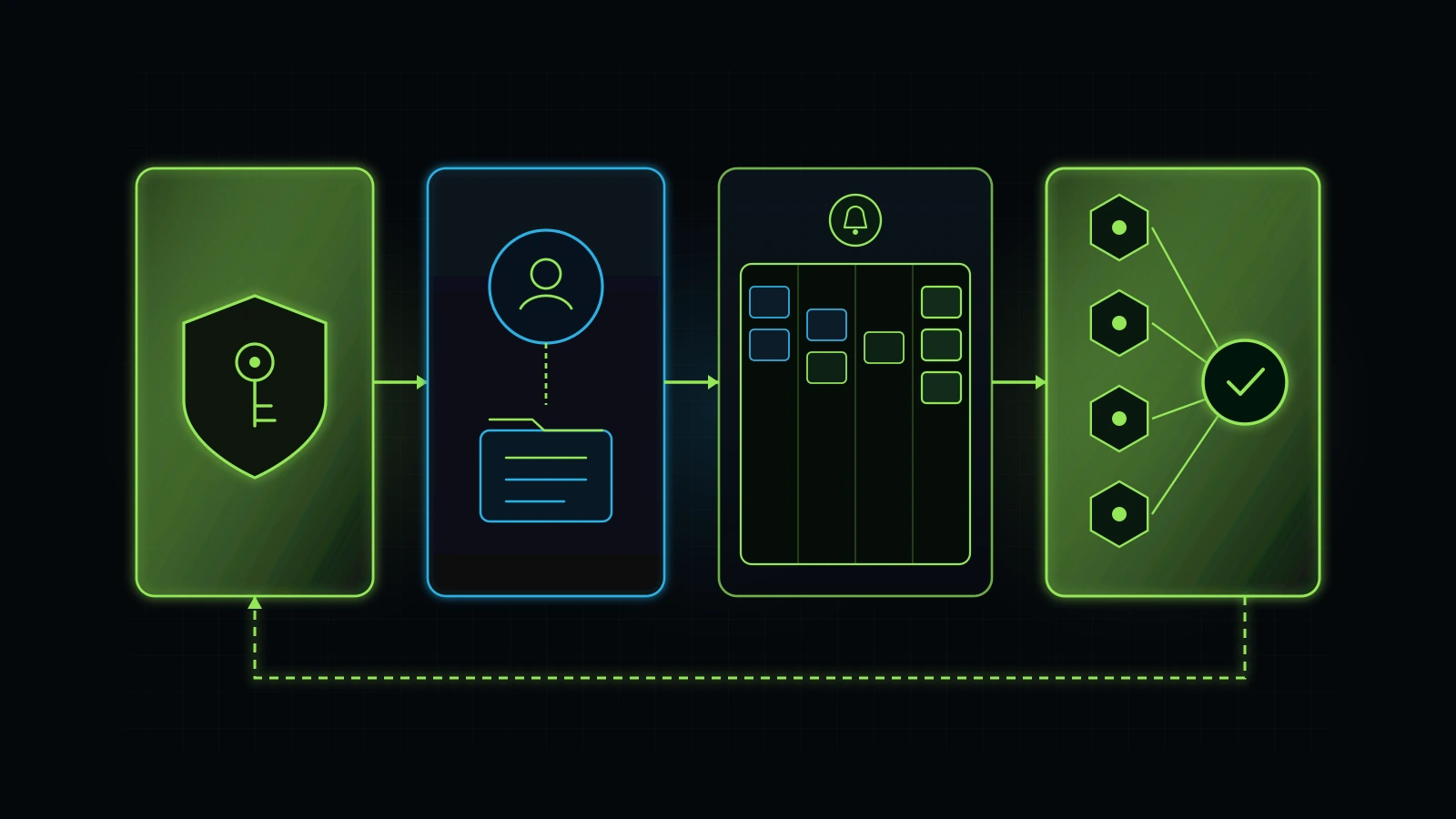
Layer 1: The Owner Asset Lock (what must never leave your building)
Before you hire a freelancer, a remote specialist, or an agency, lock five core assets permanently under your own company email and corporate billing card:
- Your domain registrar and DNS (Cloudflare, Namecheap, or GoDaddy).
- Your website code repository and hosting account (never let a vendor hold your website hostage on a proprietary server you cannot export).
- Your Google Search Console, Google Analytics 4, and Google Business Profile (grant agencies “User” or “Manager” permissions, never transfer Primary Owner).
- Your Google Ads and Meta Business Manager accounts (your credit card pays Google and Meta directly so you see exact media spend to the penny).
- Your CRM and phone numbers (whether you use GoHighLevel vs HubSpot, your lead database, call recordings, and SMS numbers belong to your business).
When you own those five layers, firing an underperforming vendor or replacing a departing staff member takes ten minutes of revoking user permissions instead of six months of legal threats.
Layer 2: The Department Champion Cascade (one internal lead who owns the workflow)
You do not need a $120,000-per-year Chief Marketing Officer to coordinate marketing in a 10-person service business (BLS report, 2026). You need one capable, detail-oriented internal champion.
When we transitioned our own agency from 20 to 25 people down to an eight-person core, I stopped trying to train every frontline worker personally. Instead, I used the department champion cascade:
- Pick one sharp, motivated person inside the operation (for example, our lead Talha, whom our US clients know as Jason, who bridges GoHighLevel CRM automations and paid media campaigns).
- Sit side by side with that champion to encode the exact workflow, quality gates, and AI frameworks until they can spot a bad ad setting or a broken CRM trigger in thirty seconds.
- Empower that champion to assign tasks, review specialist deliverables, and train the frontline staff beneath them.
Think of the difference between an accountant who knows Excel deeply versus one doing math on a pocket calculator. One well-trained internal champion equipped with encoded AI frameworks and a clear checklist can supervise three or four external specialists in a fraction of the time an untrained manager spends holding status meetings. If you want the step-by-step method for training that internal lead, read our guide on AI training for employees.
Layer 3: Targeted remote specialists instead of one overloaded local generalist (Illustrative Economics)
Instead of paying $6,500 to $8,500 per month for one local generalist who is mediocre at five out of six skills (BLS report, 2026), the hybrid model routes your budget to distinct specialists who only do what they are good at, often combining US strategy with global remote talent economics.
In our own agency operations (and treat these founder-reported figures from our Pakistan-based remote staffing experience as illustrative examples, not guaranteed or universally available market rates, since costs depend heavily on skill level, hours, contract terms, and seniority), full-time dedicated remote specialists working eight hours a day can often be structured starting around US $300 to $500 per month per person for focused roles like graphic design, content formatting, video editing/animation, or off-page link outreach, while specialized inbound phone receptionists (with fluent English and service-specific booking training for a clinic or med spa, explicitly handling scheduling rather than clinical medical advice) or paid-ads / CRM specialists may run around $500 to $800+ per month, with senior architects costing more (Illustrative Model, 2026).
Look at what that illustrative math unlocks for a small US service business with a $1,500 to $2,000 monthly operating budget (excluding paid advertising media spend, setup scopes, and taxes, which are always separate according to our illustrative model, 2026):
- Instead of getting one-quarter of one local employee or one junior agency account manager, a $1,500 to $2,000 monthly hybrid setup can assemble a coordinated pod covering inbound AI-plus-human phone answering, website and automated SEO workflows, social media design and scheduling, and CRM pipeline management (Illustrative Model, 2026).
- Even if a business owner hires part-time domestic freelancers or boutique micro-agencies instead of offshore staff, the structural rule remains identical: buy specific slices of proven specialist skill rather than one generalist salary or one vague all-in-one retainer.
Layer 4: The “Mirror Brain” and iT-Kanban task-board governance
How do you keep an internal champion and three or four remote or agency specialists aligned without spending your life on Zoom calls? Two pieces of infrastructure hold our hybrid model together:
- The Mirror-Brain Documentation Layer: Most business owners get terrible output from both agencies and AI tools because the business’s real expertise, pricing rules, buyer objections, and voice live only inside the owner’s head. We build portable markdown files (a “mirror brain” plus explicit SOPs like
iT-SEO) that record the business’s exact service economics, negative constraints, and quality gates. When Claude or ChatGPT drafts an audit or an article using two or three ~$20 monthly subscriptions and live DataForSEO data (keeping our founder-reported personal AI tool spend under roughly $100 per month across three businesses, excluding labor and hosting), it reads that mirror brain first and runs a Python verification script before a human ever sees the draft. - Task-Board Accountability (
iT-Kanbanpattern): Every recurring job (publishing a blog post, building backlinks, fixing a mobile UI bug, auditing search terms) lives as a tracked card on a task board with written acceptance criteria, a named assignee, and a due date. If a card goes overdue, an automated notifier pings the person who assigned it, and if it stays untouched, it escalates to leadership.
When your company’s memory lives in written markdown files and your daily execution lives on an auditable task board, you are never held hostage by an agency or a single employee again. To build that documentation layer in your own business, follow our guide on business process documentation for small business.
Stage-by-Stage Decision Matrix: Matching Your Model to Your Revenue and Channels
To make the in house marketing vs agency choice concrete for your exact situation today, map your company against the channel breakdown below.
Channel-by-channel breakdown: what belongs in-house versus external
Never treat “marketing” as a single lump. Split your channels into context-heavy tasks (which belong close to your internal team) and technical-execution tasks (which are easier to delegate to specialists or a focused agency under clear audit gates):
| Marketing Function | Keep In-House (Owner / Internal Champion) | Delegate to Specialist / Agency Pod | Why This Split Wins in Practice |
|---|---|---|---|
| Brand Voice, Pricing, and Offers | 100% In-House (stored in your written mirror-brain doc) | Never let an outside agency invent your offers or margins | Only the owner knows real unit margins, technician capacity, and customer pain points |
| Inbound Phone Answering and Lead Follow-Up | In-House or Dedicated Pod (AI-first on GHL + trained human backup) | Never leave to a slow, disconnected agency email inbox | Speed-to-lead decides conversion; missed calls must escalate to a live human in seconds |
| Technical SEO and Long-Form Content | Champion approves topics, lived experience, and final accuracy | Specialist + AI Workflow runs SERP data, drafts, schema, and code build | Requires live keyword/backlink data tools, technical HTML/schema hygiene, and consistent cadence |
| Google Ads and Paid Search (PPC) | Owner owns account billing; champion checks CRM booked jobs weekly | PPC Specialist manages search terms, negatives, bidding, and conversion tags | Prevents wasted spend while tying ad clicks directly to real CRM revenue |
| Off-Page Backlink Outreach | Zero daily owner time required | Dedicated Backlink Specialist works from qualified target lists on task board | Purely repetitive research and editorial outreach that drains senior internal staff |
| Customer Proof, Photos, and Raw Video Clips | In-House (front desk or technician snaps real job photos / 60-sec voice notes) | Remote Editor / Designer turns raw clips into polished reels and graphics | Authentic local proof comes from the shop floor; editing and formatting is a specialist trade |
Look at row two of that table: inbound phone answering and lead follow-up. In our published first-party case study for A Younger You Wellness & MedSpa on the Integral Technologists blog (https://www.integraltechnologists.com/blog/a-younger-you-medspa-90-day-case-study.html, which we cite transparently as our own published first-party project record rather than an independent third-party audit), consolidating over $1,200 per month in fragmented software tools into a $99-per-month OmniFlow (GoHighLevel) backbone alongside structured SEO helped move average Google Search Console position from 19.1 to 13.7 with 82 ranking queries and roughly 20 at position 1 (Integral Technologists report, 2026). None of that search visibility matters if the phone rings at the front desk and nobody picks up. That is why we pair GoHighLevel with AI inbound call handling and human backup staff so ad-driven calls get answered and booked reliably. See how that layer works in our guide to an AI receptionist for small business and our lead follow up system.
10 Questions to Ask a Marketing Agency (Or an In-House Candidate) Before You Sign
Searches for questions to ask a marketing agency and how to hire a marketing agency carry $21.23 to $25.00 per click in advertiser bids (DataForSEO, 2026) because business owners know one bad hiring decision costs six months of momentum and tens of thousands of dollars.
Skip soft interview questions like “What is your passion for marketing?” or “Can you send me your agency capabilities deck?” Anyone can buy a pretty pitch deck template. Ask these ten operational verification questions instead, and watch how fast Pretenders excuse themselves from the room:
1. “Will our company hold Primary Owner admin rights on every ad account, analytics property, CRM sub-account, and code repository from Day 1?”
- Green flag: “Yes, you create the accounts on your corporate email and billing card, and grant us partner/manager access. If we ever part ways, you keep all of the historical data, pipelines, and website files.”
- Red flag: “We run everything inside our proprietary agency master account for convenience, and you lease the system while you are a client.” Walk away immediately.
2. “Show me the exact person who will touch our account every week, and tell me how many other client accounts they manage.”
- Green flag: You meet the actual specialist (not just a commission salesperson), they explain their weekly checklist clearly, and their workload is capped so your account gets real thinking time.
- Red flag: You only meet a smooth-talking Account Executive who refuses to introduce the person executing the work.
3. “How do you separate your management fee from our working budget for ad media, data tools, and specialist production?”
- Green flag: Complete fee transparency. If you have a $2,000 budget, they show you exactly how much goes to strategy/oversight versus direct execution, content, link outreach, or ad spend (Illustrative Model, 2026).
- Red flag: One bundled lump sum where you have no idea whether 80 percent of your money is going to agency overhead or working media (Illustrative Model, 2026).
4. “What are the three hard gates you check before recommending a keyword or content topic for our website?”
- Green flag: They pull live search data and referring-domain counts for current Page 1 results, verify search intent against the live SERP, and map how that topic leads to a specific service page on your site.
- Red flag: They hand you a spreadsheet of 50 high-volume vanity keywords where every Page 1 competitor has 300 referring domains, or they promise guaranteed #1 Google rankings (which Google’s own “Do you need an SEO?” documentation explicitly flags as a classic warning sign, Google report, 2026).
5. “How do you verify that an ad ‘conversion’ became a real phone call or a booked job in our CRM?”
- Green flag: They audit conversion actions to exclude page-view fluff, connect ad tracking to your CRM pipeline, and review call logs or lead quality with your front desk every month.
- Red flag: They only report platform-reported “conversions” and click-through rates without ever opening your CRM or listening to a call recording.
6. “Where does our daily task tracking live, and can we see the live board without waiting for a monthly PDF?”
- Green flag: Every deliverable (on-page fixes, drafts, ad tests, backlink pitches) sits on a shared task board with clear statuses, due dates, and verification notes.
- Red flag: You hear nothing for 29 days and receive an automated multi-page PDF on the 30th.
7. “How do you use AI in your workflow, and what mechanical checks prevent AI slop from going live on our site?”
- Green flag: They explain openly that human expertise is encoded into strict frameworks, live data is pulled before writing, deterministic scripts check schema and style rules, and a named human specialist verifies every fact before publication.
- Red flag: Either they lie and claim “We never touch AI” while charging you 2019 manual rates for raw ChatGPT output, or they brag about publishing 50 untouched AI blogs a week with zero human verification.
8. “What happens if the specialist assigned to our account is sick or leaves next Tuesday?”
- Green flag: All SOPs, voice rules (“mirror brain”), and checklists are documented in your shared repository, and a cross-trained backup teammate on the task board can step in the same day.
- Red flag: Everything lives inside one freelancer’s or employee’s personal browser bookmarks.
9. “Can we test a single, tightly scoped diagnostic or 30-day sprint before signing a long-term retainer?”
- Green flag: They welcome starting with a concrete audit, a single pipeline fix, or a clear month-to-month proof scope so both sides verify working chemistry first.
- Red flag: They demand a non-cancellable 12-month contract on Day 1 before auditing a single account.
10. “What do you need from us internally to make this work?”
- Green flag: They tell you honestly that they need one responsive internal point of contact, real pricing/margin truth, and timely front-desk follow-up on the leads they generate.
- Red flag: “Nothing at all, just pay the invoice and we handle every piece of your business growth automatically!” Anyone promising zero owner input is selling a fantasy.
The 30-Day Transition Playbook: Moving From Retainer Chaos or Solo Burnout to a Calm Hybrid System
Whether you are currently stuck in an overpriced agency contract or watching a solo in-house employee drown in a backlog, do not rip everything out on a Friday afternoon out of frustration. Transitioning cleanly takes four structured weeks.
Week 1: Run the Asset and Subscription Inventory
Before you notify an agency or restructure a role, secure your perimeter:
- Open our client onboarding checklist in reverse and verify that your company email holds Primary Owner status on your domain registrar, Cloudflare/DNS, website repo/CMS, Google Search Console, Google Analytics, Google Business Profile, Google Ads, Meta Business Manager, and CRM.
- Run a tech stack audit on your last three monthly credit card statements. Flag every overlapping SaaS tool, unused AI subscription, and agency-mandated add-on.
- Export a clean backup of your CRM contacts, active pipelines, and ad account history.
Week 2: Build the Mirror Brain and the Task Board
Never hand a new specialist or an existing employee a blank slate:
- Create a shared folder or repository containing three plain documents: your Offer and Margin Truth (which services make money, what geographic areas you serve, and who is a bad-fit customer), your Brand Voice and Proof Ledger (real credentials, verified case studies, and claims you never make), and your Channel Checklists (SEO, Google Ads, and lead follow-up rules).
- Set up a single task board (Trello, ClickUp, Linear, or our
iT-Kanbanpattern) with four simple columns:Planned,Assigned Work,Submitted for Review, andVerified / Live.
Week 3: Appoint Your Internal Champion and Plug In the Core Backbone
- Pick one organized, trustworthy person already inside your company (or yourself for 3 to 5 hours a week if you are a small team) to own the task board and the mirror-brain folder.
- Consolidate your lead capture into one clean CRM backbone (such as GoHighLevel with AI inbound call handling and human backup) so every phone call, form fill, and ad click lands in one place rather than five disconnected spreadsheets.
- Equip your champion with one or two $20 monthly AI seats (ChatGPT Plus or Claude Pro) pre-loaded with your company instructions so first-pass drafting and review take minutes instead of hours.
Week 4: Slot In Targeted Specialists With 28-Day Review Gates
- Replace the vague all-in-one retainer or impossible unicorn job description with one or two clearly scoped specialist roles matched to your primary growth bottleneck (for example, one technical SEO and content workflow + one paid search / CRM specialist).
- Require every piece of shipped work to pass a mechanical and human review gate before going live, and schedule a 28-day Search Console and CRM booked-job check on every change.
There is a guiding principle I come back to across all three of my businesses: “Kam kaam karo, achha kaam karo, sukoon ka kaam karo” (do less work, do good work, and do work that brings peace of mind). You did not start your business to babysit an overpriced agency or stand over an overwhelmed employee’s desk until 8 PM. You started it to do good work, get paid fairly, and have a life outside your laptop.
If you want a candid, no-pressure second opinion on whether your current marketing setup needs an agency audit, an in-house restructuring, or a lean hybrid build, book a free discovery call on my advisory page or explore how our operating teams execute inside our services overview. The initial discovery conversation is always free regardless of which door you walk through, and if the smartest move for your budget is cancelling $2,000 in bloat and running a lean workflow with the staff you already have (Illustrative Model, 2026), I will tell you that straight.
Next Steps and Related Operational Guides
- Advisory Services: Book a free initial discovery call with Faiz Ahmed to audit your current agency retainer, in-house hiring plan, or hybrid marketing architecture.
- Digital Marketing Agency Audit: An Owner’s Guide: Run our eight-checkpoint inspection on your current marketing agency across access, contracts, reporting, SEO, paid ads, and staffing.
- Google Ads Audit Checklist: A Small Business Guide: Inspect your live Google Ads account in 60 minutes to catch fake conversion tracking, Search Partner leaks, and wasted search terms.
- Lean Operations: Scaling Down Headcount for Margin: Read the full story of how we restructured from a 20 to 25 person three-floor agency down to an eight-person core.
- How to Hold Employees Accountable Without Micromanaging: Build task-board governance and clear deliverable standards so you never have to hover over in-house or remote staff.
- Business Process Documentation for Small Business: Turn your business rules and offers into portable SOPs before handing work to an employee, agency, or AI model.
- AI Training for Employees: Implement the department champion cascade so one trained internal lead can supervise AI workflows and specialist pods.
- Tech Stack Audit: Cut overlapping SaaS tools and Frankenstein agency software bills across your company.
- Lead Follow Up System: Fix five-minute inbound speed-to-lead so the traffic your marketing generates actually converts into booked revenue.
- AI Receptionist for Small Business: See how we pair GoHighLevel with AI inbound call handling and human backup to stop missed ad calls.
- GoHighLevel vs HubSpot: Compare the two leading CRM backbones for small service businesses and why you should own your CRM directly.
- Services Overview: Explore done-for-you SEO, paid search, websites, and CRM implementation through our operating teams.
References
- Google Search Status Dashboard. “History for Ranking.” Accessed 2026-11-03. https://status.search.google.com/products/rGHU1u87FJnkP6W2GwMi/history
- U.S. Bureau of Labor Statistics (BLS). “Employer Costs for Employee Compensation.” Accessed 2026-11-03. https://www.bls.gov/news.release/ecec.toc.htm
- U.S. Bureau of Labor Statistics (BLS). “Occupational Outlook Handbook: Advertising, Promotions, and Marketing Managers / Market Research Analysts.” Accessed 2026-11-03. https://www.bls.gov/ooh/management/advertising-promotions-and-marketing-managers.htm
- Google Search Central. “Do you need an SEO? (Hiring an SEO).” Accessed 2026-11-03. https://developers.google.com/search/docs/fundamentals/do-i-need-seo
- Integral Technologists. “A Younger You Wellness & MedSpa 90-Day Case Study (Published First-Party Case Study).” Accessed 2026-11-03. https://www.integraltechnologists.com/blog/a-younger-you-medspa-90-day-case-study.html
- SimpleTiger. “In-House Marketing vs. Agency: Which Is Right for You?” Accessed 2026-11-03. https://www.simpletiger.com/blog/in-house-marketing-vs-agency
- MarketingProfs. “In-House Marketing vs. Agency: Which Is Right for Your Business?” Accessed 2026-11-03. https://www.marketingprofs.com/articles/2021/45916/in-house-marketing-vs-agency-which-is-right-for-your-business
Disclaimer: This article reflects the author’s personal opinions and a decade of practical experience building and restructuring digital agency operations, AI-supported workflows, and CRM systems for service businesses. Firsthand operational examples (including restructuring from a 20 to 25 person three-floor agency to an eight-person core, implementing the department champion cascade, and running portable markdown mirror-brain files alongside task-board governance) describe the author’s own operating company history, while all monthly payroll, retainer, and remote specialist cost tables are illustrative hypothetical models rather than guaranteed quotes or private financial records. The author advises service founders through The Retired Consultant and operates Integral Technologists and OmniFlow, as disclosed under the byline.
