
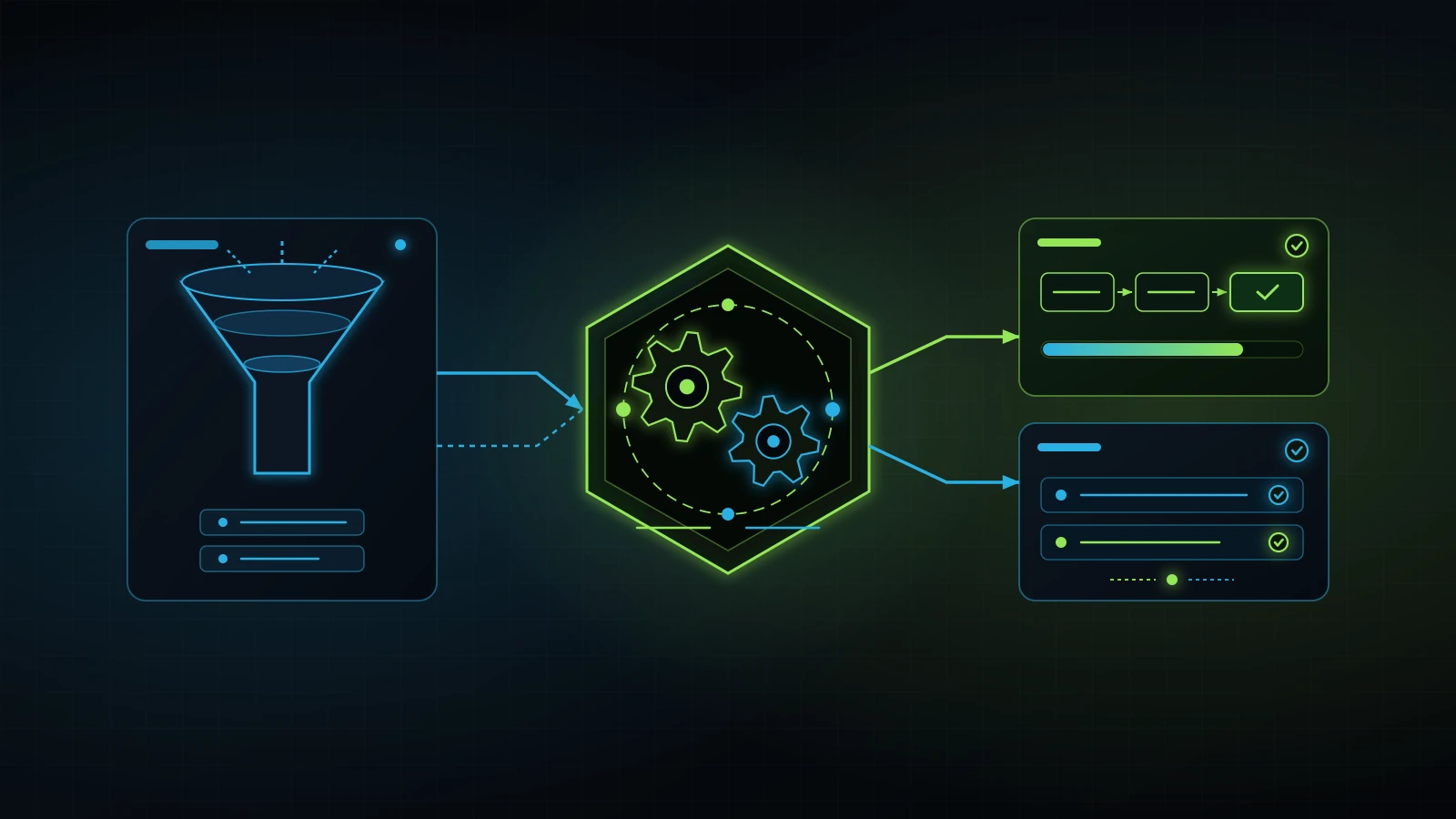
Tools do not run businesses; systems do. Unifying go-to-market pipelines recovers lost margin without corporate C-suite payroll.
Use these four revenue operations checkpoints before buying more software or committing to expensive executive retainers.
A RevOps consultant is a specialized operational architect who aligns your marketing, sales, and customer success teams into a single, cohesive revenue engine. Instead of allowing each department to purchase isolated software, invent disconnected metrics, and blame each other for dropped leads, a revenue operations consultant builds shared data architecture, standardizes pipeline stages, and enforces operational accountability across the entire customer lifecycle.
When a service business or digital agency stalls between $1M and $5M in annual revenue, the breakdown is rarely a lack of hustle or talent. The breakdown occurs at the seams between departments. Marketing generates leads that sales claims are unqualified. Sales closes contracts with promises that delivery teams cannot fulfill. Account managers discover scope creep and churn after clients have already decided to leave. Meanwhile, the founder pays thousands of dollars each month for disjointed software tools that do not communicate with each other.
Over a decade of practical experience running service businesses and advising founders has proven a fundamental operational truth: tools do not run businesses; systems do. When you have more software subscriptions than documented operating procedures, purchasing another application will not fix your conversion rate. A skilled RevOps consultant audits your entire revenue journey, eliminates tool sprawl, and builds repeatable workflows that allow your team to convert leads into profitable, long-term clients without founder micromanagement.
What Does a RevOps Consultant Do? (Core Mandate and Scope)
A RevOps consultant diagnoses pipeline bottlenecks, cleans data pipelines, and integrates disconnected business systems so revenue flows predictably from initial contact to client retention. Unlike a marketing agency that solely focuses on traffic or a sales trainer who solely coaches closing techniques, a revenue operations consultant focuses on the mechanical infrastructure that supports the entire revenue cycle.
According to research published by Harvard Business Review (HBR, 2023), companies that align their go-to-market operations achieve up to nineteen percent faster revenue growth and fifteen percent higher profitability. In most growing companies, however, operations develop haphazardly. When a marketing team wants email automation, they buy an email marketing tool. When sales reps need pipeline tracking, they sign up for a CRM. When customer service needs a helpdesk, they purchase a ticketing system. Within eighteen months, the business operates on four separate databases, five billing plans, and zero unified reporting.
+-----------------------------------------------------------------------------------+
|                        THE REVOPS OPERATIONAL ARCHITECTURE                        |
+-----------------------------------------------------------------------------------+
|                                                                                   |
|  [ MARKETING ENGINE ] ----> [ SALES CONVERSION ] ----> [ CLIENT FULFILLMENT ]     |
|   - Paid Ads (Meta/Google)   - Speed to Lead (<5m)      - Onboarding Checklist    |
|   - Organic SEO & Content    - Opportunity Pipelines    - Kanban Delivery Boards  |
|   - Lead Magnet Capture      - Automated Booking        - Project Milestones      |
|                                                                                   |
|  ============================== UNIFIED DATA LAYER =============================  |
|                Centralized CRM / Clean Tagging / Single Source of Truth           |
|                                                                                   |
|  ========================== AUTOMATED REVENUE GOVERNANCE ========================  |
|          SLA Triggers / Payment Tracking / Retention & Churn Prevention           |
+-----------------------------------------------------------------------------------+
A revenue operations consultant executes five primary responsibilities across an organization:
- Revenue Lifecycle Mapping: The consultant documents every customer touchpoint from first ad impression or organic search visit to contract renewal. This reveals exactly where prospect friction occurs, where follow-up calls are missed, and where invoices slip through administrative cracks.
- Tech Stack Consolidation and Integration: The consultant audits every active software subscription, identifies redundant features, and establishes direct API or webhook connections. Unnecessary tools are eliminated, cutting software overhead while creating a single source of truth for customer data.
- Pipeline Standardization and Lead Routing: The consultant defines strict criteria for Marketing Qualified Leads (MQL) and Sales Qualified Leads (SQL). Leads are automatically enriched, scored, and routed to the appropriate team members within seconds, eliminating lead decay.
- Data Hygiene and Performance Analytics: The consultant cleans corrupted contact lists, merges duplicate records, and builds real-time dashboards showing customer acquisition cost (CAC), pipeline velocity, conversion rates by source, and customer lifetime value (LTV).
- Cross-Departmental Service Level Agreements (SLAs): The consultant establishes formal operational commitments between teams. For example, marketing guarantees a specific lead qualification standard, sales commits to contacting inbound inquiries within five minutes, and fulfillment guarantees client onboarding within twenty-four hours of signing.
RevOps vs Sales Ops vs Marketing Ops: The Decision Matrix
Evaluating revenue leadership requires distinguishing between RevOps, traditional sales operations, marketing operations, and full-time executive hires. While these roles are frequently conflated by job recruiters and software vendors, their strategic scope, daily activities, and organizational impact differ significantly.
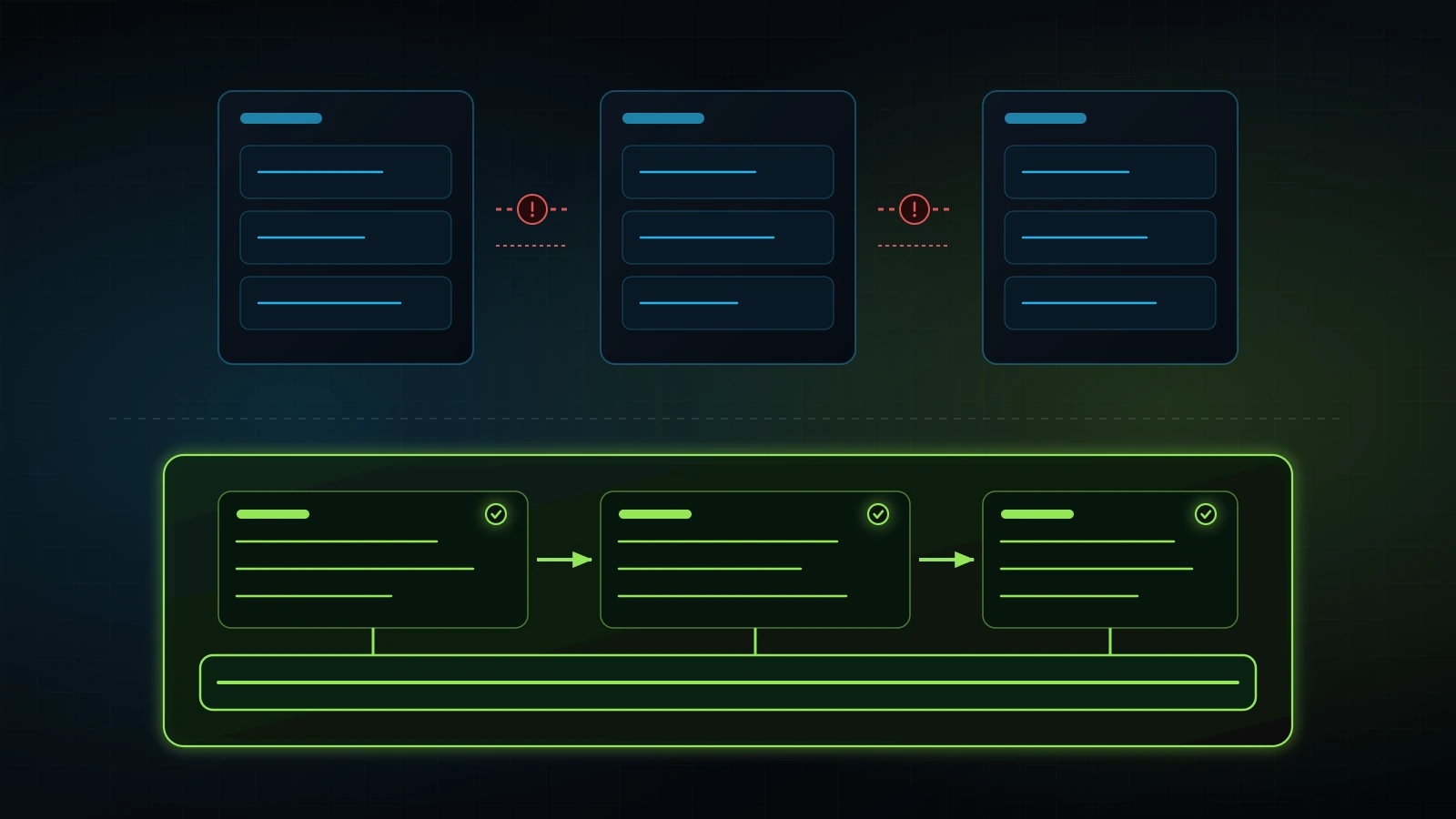
Traditional operations roles operate vertically within departmental silos. A marketing operations specialist focuses exclusively on landing page builders, tracking pixels, and email campaign deliverability. A sales operations analyst focuses exclusively on CRM pipelines, commission tracking, and call recording software. Neither role takes responsibility for what happens when a prospect transitions from the marketing funnel to the sales pipeline, or from the sales closing call to ongoing delivery.
RevOps cuts across these vertical silos horizontally. A revenue operations consultant treats marketing, sales, and fulfillment as interconnected phases of a single continuous pipeline.
| Operational Dimension | Marketing Operations | Sales Operations | Revenue Operations (RevOps) |
|---|---|---|---|
| Primary Focus | Lead acquisition and campaign execution | Opportunity closing and rep productivity | Full customer lifecycle and recurring revenue |
| Key Metrics | Cost per lead, CTR, form submissions, MQLs | Quota attainment, win rate, sales cycle length | LTV to CAC ratio, pipeline velocity, net revenue retention |
| System Ownership | Ad platforms, email automation, landing pages | CRM pipelines, dialers, proposal software | Central CRM, data warehouse, billing, delivery tools |
| Department Boundary | Marketing department only | Sales team only | Marketing, sales, onboarding, fulfillment, billing |
| Core Value | Improves lead generation efficiency | Increases sales rep closing capacity | Eliminates revenue leaks and unifies customer data |
| Best Suited For | Large teams with heavy inbound volume | Sales organizations with 10+ closing reps | Companies scaling between $1M and $10M revenue |
For most service businesses and agencies with ten to fifty employees, hiring separate operations specialists for marketing, sales, and fulfillment is financially wasteful and structurally counterproductive. It simply creates three smaller silos that continue arguing over attribution. Engaging a RevOps consultant provides the cross-functional systems leadership needed to unify your existing team members without adding layers of departmental management.
7 Signs Your Service Business Has Broken Revenue Operations
Most founders do not search for revenue operations consulting until operational chaos visibly threatens company cash flow. Operational revenue leaks rarely appear as catastrophic failures; instead, they operate as silent compound drains that steadily erode profit margins and burn out high-performing employees.
According to data compiled by SiriusDecisions (2024), B2B organizations with aligned revenue engines achieve thirty-six percent higher customer retention rates and thirty-eight percent higher sales win rates. If your business experiences any of the following seven operational symptoms, your revenue engine requires structural intervention:
1. The Disconnected Tool Sprawl Trap
Your business pays for seven to twelve different software subscriptions that do not talk to each other. Your marketing team collects leads on WordPress or Webflow, your sales reps manage deals in spreadsheets or a basic CRM, your operations team tracks delivery in Asana or ClickUp, and your accountant sends invoices through QuickBooks or Stripe. Team members spend hours copying and pasting customer details between browser tabs. When a client changes their address or billing contact, the update is made in one application and missed in three others.
2. Slow Speed-to-Lead and Lead Decay
Inbound inquiries from website forms, Google Ads, or Meta campaigns sit in an email inbox for hours or days before anyone follows up. According to landmark lead response research published in Harvard Business Review (HBR, 2022), businesses that contact prospective clients within five minutes of submission are nearly one hundred times more likely to connect and convert than those that wait thirty minutes. Without automated SMS text-back and instant lead routing, expensive paid advertising spend is completely squandered.
+-----------------------------------------------------------------------------------+
|                        SPEED-TO-LEAD CONVERSION REALITY                           |
+-----------------------------------------------------------------------------------+
|  Response Time Window         | Relative Qualification Likelihood                 |
|  ---------------------------  | ------------------------------------------------  |
|  Under 5 Minutes              | [########################################] 100x   |
|  5 to 30 Minutes              | [########                                ]  21x   |
|  30 to 60 Minutes             | [###                                     ]   7x   |
|  Over 24 Hours                | [.                                       ]   1x   |
+-----------------------------------------------------------------------------------+
|  Source: Harvard Business Review Lead Response Study Benchmarks                   |
+-----------------------------------------------------------------------------------+
3. Subjective Lead Qualification and Finger-Pointing
Marketing celebrates hitting lead volume targets, while sales reps complain that the leads are uncontactable tire-kickers. Because your business lacks documented criteria for qualification, there is no shared standard. Reps ignore half the leads based on personal intuition, and marketing continues spending advertising budget on search terms that generate spam submissions.
4. Post-Sale Onboarding Friction and Buyer Remorse
Once a prospect signs a contract or pays an invoice, the handover to delivery is chaotic. The client is forced to repeat their goals to an account manager because sales notes were buried in private call logs. Onboarding questionnaires are sent manually days late, delaying project kickoff and creating immediate buyer anxiety. Early onboarding friction is the single greatest predictor of client churn within the first ninety days.
5. Invisible Pipeline Velocity and Inaccurate Forecasting
The founder cannot answer basic commercial questions without spending an entire weekend compiling spreadsheets: What is our average sales cycle length? What percentage of discovery calls turn into proposals? Which marketing channel produces the highest lifetime value? Without reliable data, revenue forecasting becomes pure guesswork, making hiring and capital investment decisions needlessly risky.
6. Manual Invoicing, Scope Creep, and Unbilled Hours
Project managers deliver work outside the original statement of work without issuing change orders, while recurring retainers are billed late or fail to process. According to professional service financial benchmarks, unmanaged scope creep and billing slippage reduce agency gross margins by eight to fourteen percent annually (Service Operations Benchmark Report, 2024).
7. The Founder as the Permanent Operational Bottleneck
Every non-standard sales discount, pipeline exception, software password, and client complaint requires founder approval. If you take a three-day vacation, sales proposals stop going out, onboarding pauses, and team members wait idly for direction. You have built a demanding job rather than a scalable, systemized enterprise.
The Financial Economics: RevOps Consultant Cost and Pricing Models
Investing in revenue operations requires evaluating compensation models against tangible margin recovery and founder time savings. RevOps consultant pricing varies based on technical expertise, company complexity, and engagement structure, but industry benchmarks establish clear parameters across the market.
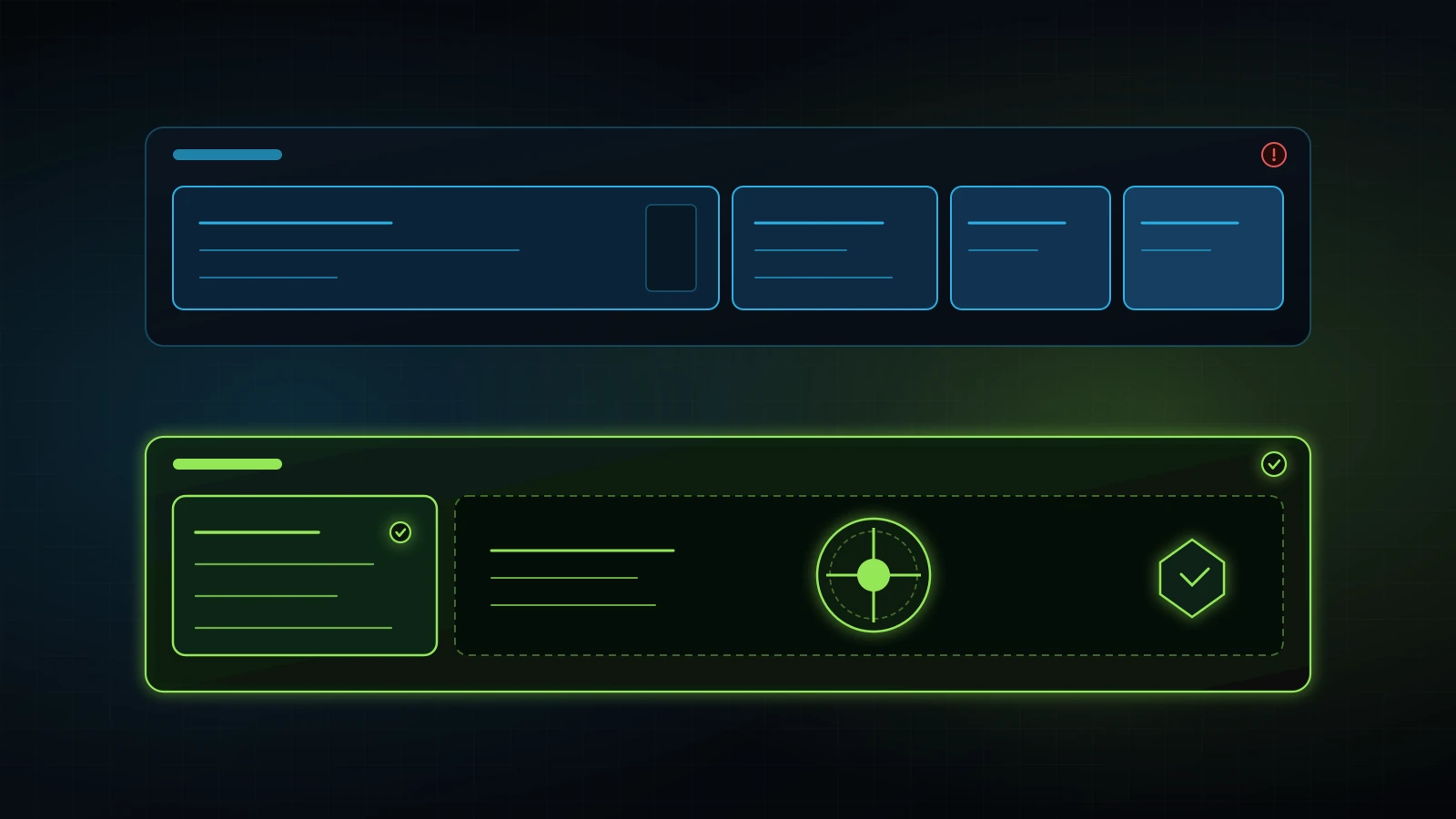
According to data compiled by the Bureau of Labor Statistics (BLS, 2024) and executive recruitment benchmarks, hiring a full-time Director or VP of Revenue Operations carries a base salary between $160,000 and $240,000 per year. When factoring in employer payroll taxes, health benefits, annual performance bonuses, recruiting fees (typically twenty to thirty percent of first-year salary), and equity grants, the fully loaded annual cost regularly exceeds $280,000 to $350,000.
According to executive compensation research (BLS, 2024), for businesses generating between $1M and $10M in annual revenue, committing to a $25,000 monthly executive payroll overhead is financially irresponsible. A fractional RevOps consultant or specialized advisory engagement provides the exact same strategic systems architecture at a fraction of the capital expenditure.
1. Hourly Advisory and Technical Sprint Rates
- Typical Rate: $125 to $250 per hour.
- Scope: Targeted troubleshooting, custom webhook integrations, API troubleshooting, or specific workflow fixes.
- Pros: Low initial financial commitment; pay only for what you use.
- Cons: Unpredictable total costs; lacks end-to-end accountability; incentivizes the consultant to bill hours rather than deliver rapid, permanent operational fixes.
2. Monthly Fractional Retainer Engagements
- Typical Retainer: $3,500 to $9,000 per month (source: industry retainer benchmarks, 2026).
- Time Commitment: Approximately 10 to 20 dedicated hours per week.
- Scope: Complete ownership of revenue systems, ongoing weekly sprint management, cross-department alignment, and technical tool administration.
- Pros: Dedicated leadership without C-suite payroll; continuous iterative improvement across marketing, sales, and fulfillment.
- Cons: Requires a multi-month contract commitment; according to operational survey data, this investment can be premature for businesses with annual revenues under $750,000.
3. Project-Based Implementation Sprints
- Typical Investment: $5,000 to $18,000 per project (source: implementation sprint data, 2026).
- Scope: Discrete end-to-end deliverables, such as a complete CRM migration, automated speed-to-lead buildout, or full revenue tech stack audit and reconfiguration.
- Pros: Fixed cost with guaranteed functional deliverables and clear completion timelines.
- Cons: Does not provide ongoing operational coaching or team accountability once the implementation sprint concludes.
4. The Agile Founder Advisory Model (TRC Framework)
- Typical Investment: $499 per month for strategic advisory plus modular implementation capital.
- Scope: Regular operational audits, strategic systems roadmaps, direct founder problem-solving, and structured delegation via internal department champions.
- Pros: Transparent, budget-proportional architecture designed specifically for service businesses and agency owners exiting the operator trap. Preserves working capital so funds can be allocated directly to team execution, software tools, and marketing spend rather than bloated consulting fees.
- Cons: Requires the founder to designate an internal team member or champion to manage daily task execution based on the strategic roadmap.
The 90-Day RevOps Implementation Roadmap: From Chaos to Autonomy
A qualified revenue operations consultant follows a disciplined implementation cadence that establishes immediate operational control. When an advisor enters your organization, they must not spend three months interviewing employees without delivering functional improvements. They should execute a structured three-phase sequence from diagnostic audit to pipeline automation and self-sustaining reporting.
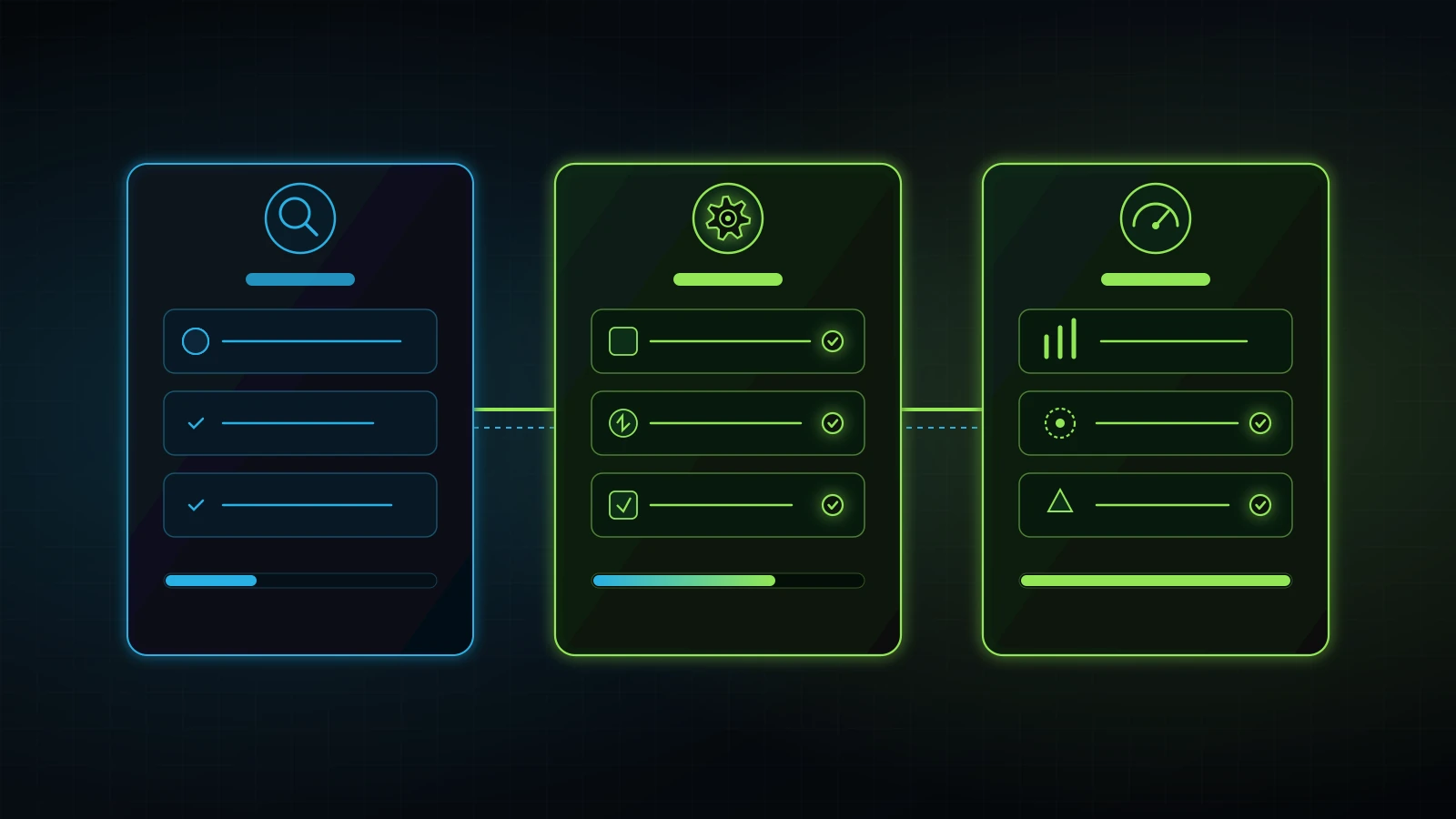
Phase 1: Days 1 to 30 (Audit, Data Hygiene, and Quick-Win Stabilization)
The first thirty days focus on forensic analysis, eliminating tool waste, and capturing low-hanging revenue that is currently leaking from your pipeline:
- Complete Tech Stack and Billing Audit: Catalog every software tool, seat license, and recurring plugin across the business. Identify unused subscriptions, overlapping functionality, and zombie software accounts. Consolidate where possible to immediately recover operating cash flow.
- Lead Flow and Speed-to-Lead Audit: Test every contact form, booking calendar, and paid ad funnel personally. Measure exact response times. Deploy automated SMS text-back and instant email confirmations for inbound inquiries within the first two weeks.
- Database Cleanup and Field Standardization: Clean dirty contact lists, standardize custom fields, deduplicate records, and tag contacts by lifecycle stage. Establish clear naming conventions for pipelines, campaigns, and user permissions.
- Deliverable Milestone: An in-depth Revenue Architecture Diagnostic Report identifying verified leaks, software consolidation savings, and prioritized workflow remediation targets.
Phase 2: Days 31 to 60 (Pipeline Re-Engineering, SLAs, and Workflow Automation)
The second month focuses on reconstructing the core operational engine connecting marketing, sales, and delivery:
- Unified CRM and Pipeline Buildout: Standardize deal stages with clear exit criteria. A deal cannot move from “Discovery” to “Proposal” without specific qualification data documented in required CRM fields.
- Automated Lead Routing and Notifications: Connect ad channels and website forms directly to your centralized CRM via native webhooks. Route leads to sales reps based on availability, territory, or deal size, triggering automated task assignments.
- Cross-Department SLA Enforcement: Establish clear service level agreements. Sales reps receive automated reminders if an inbound lead remains uncontacted after ten minutes; if unattended after thirty minutes, the lead is escalated or reassigned.
- Structured Post-Sale Client Handoff: Build automated onboarding workflows. When a deal is marked “Closed-Won”, the system automatically generates the client onboarding task card in your project board (such as iT-Kanban), creates the shared client folder, sends the welcome intake form, and schedules the kickoff call.
- Deliverable Milestone: A fully integrated revenue pipeline operating across marketing, sales, and fulfillment with automated handoffs and zero manual data re-entry.
Phase 3: Days 61 to 90 (Analytics Dashboards, Team Enablement, and Handoff)
The final month establishes executive visibility, trains internal department champions, and transitions the system into autonomous daily operation:
- Executive Reporting Dashboards: Build automated dashboards displaying core commercial metrics: Customer Acquisition Cost (CAC), Lifetime Value (LTV), pipeline conversion rates by traffic source, average deal size, sales velocity, and churn rate.
- Standard Operating Procedure (SOP) Documentation: Document every workflow, automation trigger, and troubleshooting protocol in crisp, accessible format with clear visual diagrams.
- Department Champion Training: Train internal team leads (such as an operational manager, CRM specialist, or executive assistant) to supervise daily task boards, monitor data accuracy, and handle tier-one system maintenance.
- Deliverable Milestone: A self-sustaining revenue operations engine with real-time reporting, trained internal champions, and full founder visibility without daily administrative entanglement.
Tech Stack Consolidation: How to Stop Burning $1,200+ per Month on Software Sprawl
A primary driver of operational complexity in service businesses is the unexamined accumulation of disconnected software subscriptions. Founders frequently purchase software to solve an immediate tactical problem without considering how that software integrates with their existing tech stack.
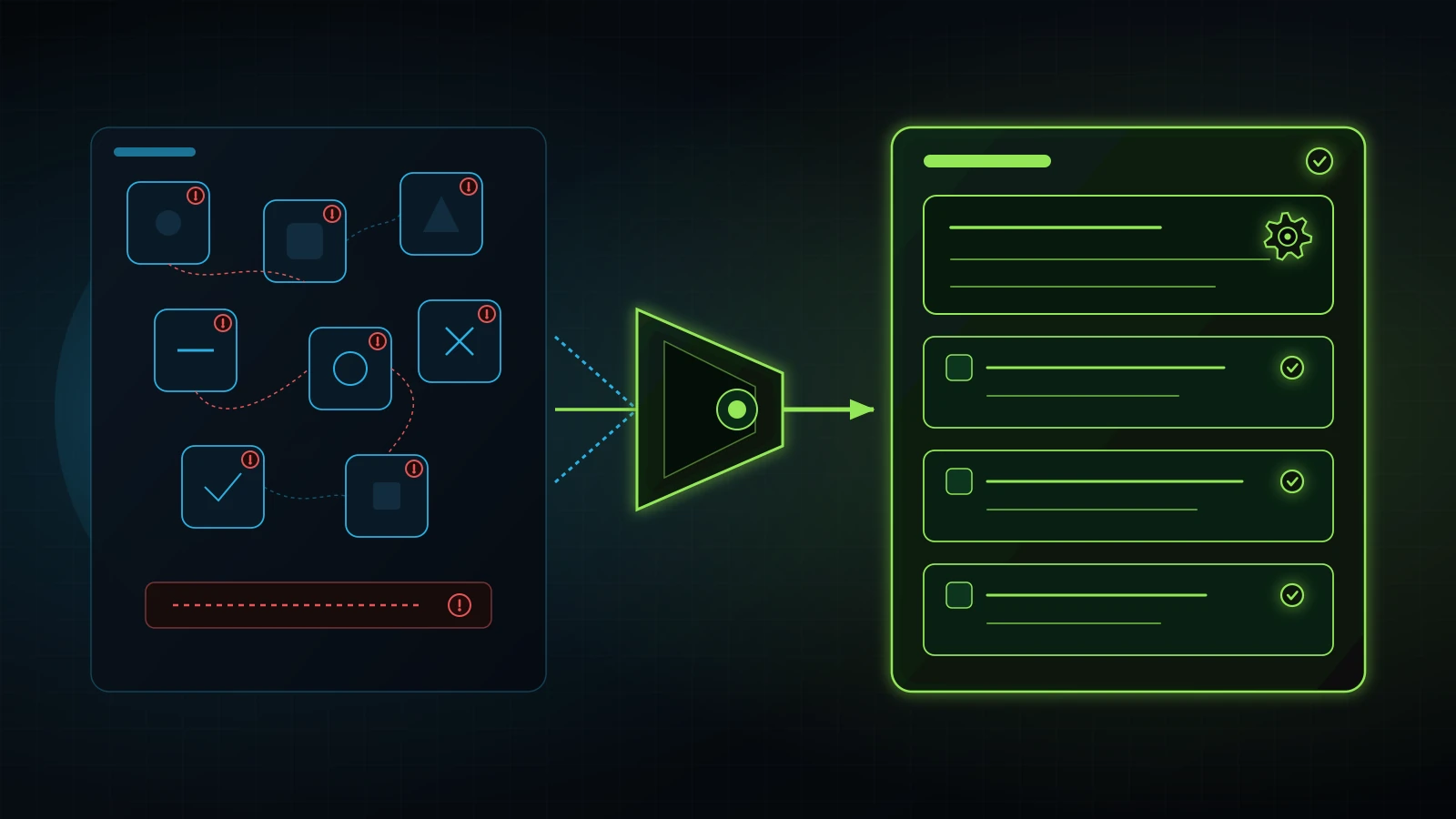
In our operational work across medical clinics, professional services, and digital agencies, we routinely discover businesses spending between $1,000 and $2,500 every month on software subscriptions that can be completely replaced by a single unified platform. For example, in an aesthetic clinic case study documented in our operations framework, consolidating disjointed tools (Mailchimp, Calendly, Podium, CallRail, Formstack, and a legacy database) into a unified GoHighLevel / OmniFlow dual-stack environment saved over $1,200 per month in software overhead while increasing speed-to-lead response times from six hours to under three minutes (Integral Technologists, 2026).
+-----------------------------------------------------------------------------------+
|                     SOFTWARE SPRAWL VS CONSOLIDATED ARCHITECTURE                  |
+-----------------------------------------------------------------------------------+
|  FRAGMENTED LEGACY STACK                       | CONSOLIDATED REVOPS ENGINE       |
|  --------------------------------------------  | -------------------------------  |
|  - Standalone Email Tool:      $150 - $350/mo  |  - Centralized CRM Platform      |
|  - SMS Marketing / Text-Back:  $100 - $250/mo  |    (e.g., GoHighLevel / OmniFlow)|
|  - Appointment Booking App:     $30 -  $80/mo  |    Includes: Email, SMS, Forms,  |
|  - Call Tracking / Numbers:     $50 - $150/mo  |    Pipelines, Calendars, Invoices|
|  - Form & Funnel Builder:       $99 - $299/mo  |    Total: $99 - $297/mo          |
|  - Review Generation Tool:     $199 - $399/mo  |                                  |
|  - Pipeline Management CRM:    $100 - $300/mo  |  - Native Task Board             |
|  - Zapier Multi-Step Tasks:     $50 - $250/mo  |    (e.g., iT-Kanban)             |
|                                                |    Total: $0 - $50/mo            |
|  --------------------------------------------  |  ------------------------------- |
|  TOTAL MONTHLY COST:         $778 - $2,178/mo  |  TOTAL MONTHLY COST: $99 - $347  |
|  DATA SILOS: High (constant sync errors)       |  DATA SILOS: Zero (single DB)    |
+-----------------------------------------------------------------------------------+
A seasoned RevOps consultant does not recommend software based on hype or affiliate commissions. They evaluate your tech stack based on three pragmatic criteria:
- Native Integration Depth: Can the platform handle inbound leads, SMS conversations, pipeline tracking, and payment processing within a single database, eliminating the need for fragile multi-step Zapier connections?
- User Adoption Simplicity: Can your frontline sales reps, appointment coordinators, and project managers operate the daily interface without extensive technical certifications? If software is too complicated, employees will quietly revert to personal notebooks and unmonitored spreadsheets.
- Total Cost of Ownership (TCO): Does the platform charge punitive fees as your contact list scales? According to SaaS pricing research, many legacy CRMs appear affordable at entry but triple their pricing once your database exceeds 10,000 records.
10 Critical Vetting Questions to Ask Before Hiring a RevOps Consultant
Hiring an external consultant to reconfigure your core business operations involves significant operational trust. A poor hire will waste thousands of dollars, confuse your sales team, and leave you with overly complex automations that break the moment the consultant departs.
Before signing a consulting agreement or paying a retainer, interview candidates using these ten diagnostic questions:
- “Can you walk me through a specific tech stack consolidation you designed that eliminated at least three software tools while maintaining data integrity?” Look for concrete operational specifics, named platforms, and clear trade-offs, not vague buzzwords.
- “How do you handle speed-to-lead automation for inbound prospects, and what fallback systems do you deploy if an automated SMS fails?” An experienced operator always accounts for carrier deliverability rules (such as A2P 10DLC compliance) and incorporates human fallback alerts.
- “Do you build systems inside our software accounts, or do you require proprietary middleware that makes us permanently dependent on your agency?” Never permit an external consultant to build core business logic inside proprietary accounts that you cannot directly administer or export.
- “How do you define the boundary between sales operations, marketing operations, and client fulfillment in a company of our revenue size?” The candidate should explain how horizontal RevOps aligns these functions rather than treating them as disconnected projects.
- “What specific metrics will appear on our executive dashboard at the end of the ninety-day implementation?” Expect direct commercial metrics: CAC, LTV, pipeline velocity, stage conversion rates, and gross margin recovery.
- “How do you document workflows so our internal team can maintain the system without paying you indefinitely for basic updates?” Demand visual SOPs, standardized field dictionaries, and recorded training walkthroughs for internal department champions.
- “What is your approach to data privacy, client confidentiality, and software permissions?” Ensure the consultant follows role-based access control, uses secure password management tools, and signs binding non-disclosure agreements.
- “Have you personally operated and managed service business teams, or is your experience limited to software configuration?” Someone who has never had to make payroll or manage frontline employee resistance will design theoretically perfect systems that fail in daily human execution.
- “How do you handle the transition between sales closing and fulfillment kickoff to eliminate early client churn?” Listen for structured onboarding triggers, automated project card generation, and standardized client intake workflows.
- “What is your exact pricing model, and what percentage of our budget will go toward strategic guidance versus software licenses and technical implementation?” Avoid consultants who push massive flat fees while leaving software and implementation costs undefined.
The Calm Operator Framework: Systems Before Sales
In the entrepreneurial community, founders are constantly told that sales solves all business problems. If revenue is tight, run more ads. If margins are shrinking, hire more commission-only closers. If clients are complaining, sign two new clients to replace them.
This growth-at-all-costs philosophy is an operational trap. Adding sales volume to broken delivery operations does not build a scalable business; it simply accelerates founder exhaustion and destroys brand reputation.
+-----------------------------------------------------------------------------------+
|                        THE FOUNDER OPERATOR TRAP PROGRESSION                      |
+-----------------------------------------------------------------------------------+
|                                                                                   |
|  [ AGGRESSIVE MARKETING ]                                                         |
|         |                                                                         |
|         v                                                                         |
|  [ INBOUND LEAD SURGE ]                                                           |
|         |                                                                         |
|         v                                                                         |
|  [ SALES PIPELINE BOTTLENECK ] ----> (Delayed Follow-Ups, Lost Inquiries)         |
|         |                                                                         |
|         v                                                                         |
|  [ CHAOTIC CLIENT ONBOARDING ] ----> (Scope Creep, Founder Firefighting)          |
|         |                                                                         |
|         v                                                                         |
|  [ EARLY CLIENT CHURN & BURNOUT ] -> (Margin Collapse, Exhausted Team)            |
|                                                                                   |
+-----------------------------------------------------------------------------------+
During my own agency journey, I managed multiple client accounts from a three-floor office with twenty to twenty-five employees. On paper, the business appeared successful. We had healthy revenue, prestigious client accounts, and an active team. In reality, I was trapped in daily execution. I personally managed operations, resolved client disputes, supervised project managers, reviewed sales pipelines, and handled administrative fires. I had built an enterprise that required my physical and mental presence every single day.
Real operational freedom required a radical restructuring. I transitioned from a high-overhead three-floor facility to an agile eight-person core team selected for curiosity, trainability, and execution discipline. We rejected the vanity of excessive headcount and built disciplined, repeatable systems. Instead of personally managing every department, I trained dedicated department champions (such as my lead team member Jason/Talha, who took complete ownership over GoHighLevel CRM workflows, Meta advertising pipelines, and client campaign structures). Those champions then supervised team members and enforced operational SOPs using centralized task management tools like iT-Kanban.
This operational philosophy is encapsulated in a simple Urdu guiding principle: “Kam kaam karo, achha kaam karo, sukoon ka kaam karo” (Do less work, do exceptional work, do work that brings peace of mind).
Sustainable revenue growth is not achieved through frantic hustle or unmonitored tool subscriptions. It is achieved by establishing clear systems before chasing sales volume. When an outcome is achieved once, document it. When a workflow succeeds twice, automate it. When a process operates predictably, delegate it to trained champions with clear role-based accountability. That is the true essence of revenue operations.
Frequently Asked Questions About RevOps Consulting
What is the primary difference between a RevOps consultant and a CRM consultant?
A CRM consultant specializes specifically in the technical configuration of a database platform (such as setting up custom fields, views, and basic automations in HubSpot, Salesforce, or GoHighLevel). A RevOps consultant possesses a much broader operational mandate: they design the overarching revenue strategy, align cross-departmental workflows between marketing, sales, and fulfillment, enforce service level agreements, audit tech stack costs, and build executive reporting dashboards. The CRM is merely one execution layer within the RevOps consultant’s broader systems architecture.
When is the right time for a small business to hire a RevOps consultant?
According to operational research benchmarks, the ideal time to engage a RevOps consultant is when a business generates between $750,000 and $3M in annual revenue, employs between 5 and 25 team members, and experiences visible pipeline friction. Specific trigger events include: paying for more than five disconnected software tools, losing inbound leads due to slow follow-up times, suffering post-sale onboarding chaos, experiencing finger-pointing between marketing and sales, or having the founder spend over fifteen hours per week manually managing operational bottlenecks.
Can RevOps consulting help businesses that do not use Salesforce or HubSpot?
Yes, absolutely. While venture-backed enterprise companies frequently rely on complex enterprise platforms, modern service businesses, professional practices, and digital agencies achieve equal or superior operational alignment using agile all-in-one platforms like GoHighLevel or custom CRM architectures. A skilled RevOps consultant adapts systems to your business model, customer journey, and cash flow realities rather than forcing you into rigid enterprise software contracts.
How much does a fractional RevOps consultant cost in 2026?
According to market research benchmarks for 2026, fractional RevOps consulting retainers typically range from $3,500 to $9,000 per month for 10 to 20 hours per week of senior operational leadership. Alternatively, project-based implementation sprints range from $5,000 to $18,000 depending on database size and integration complexity. Strategic advisory programs (such as The Retired Consultant Advisory at $499 per month) provide practical, high-impact systems roadmaps and direct founder problem-solving, allowing businesses to allocate the remainder of their capital toward execution and tools.
How quickly can we expect to see measurable results from RevOps consulting?
Measurable operational improvements typically emerge within the first two to four weeks of an engagement. Initial quick wins include capturing leaking leads through automated speed-to-lead SMS text-back, eliminating redundant software subscriptions to immediately recover operating cash flow, and cleaning corrupted database fields. Structural pipeline improvements, cross-department SLAs, and automated executive dashboards reach full maturity within sixty to ninety days.
What should our internal team prepare before engaging a RevOps consultant?
Before kicking off a RevOps engagement, compile an inventory of all active software subscriptions and monthly billing statements, map out your current customer journey from first contact to delivery, document your primary lead sources, and identify the top three operational bottlenecks causing frustration for your team. Having administrative access credentials and accurate user permissions ready will accelerate Phase 1 discovery and prevent onboarding delays.
Will hiring a RevOps consultant disrupt our daily sales and client delivery?
A professional RevOps consultant designs and tests new pipelines, webhooks, and automation triggers in sandbox environments or isolated staging pipelines before deploying them into live production. Existing sales conversations and ongoing client delivery continue uninterrupted. Transition training is conducted with internal department champions in structured thirty-minute workshops to ensure smooth operational continuity.
References
- Bureau of Labor Statistics (BLS). (2024). Occupational Employment and Wage Statistics: General and Operations Managers. U.S. Department of Labor. https://www.bls.gov/oes/current/oes111011.htm
- DataForSEO. (2026). Google Keyword Overview and Live SERP Analysis: RevOps Consultant & Revenue Operations. DataForSEO Labs API. https://dataforseo.com/
- Harvard Business Review (HBR). (2022). The Short Life of Online Sales Leads. Harvard Business School Publishing. https://hbr.org/2011/03/the-short-life-of-online-sales-leads
- Harvard Business Review (HBR). (2023). Why Go-to-Market Alignment Is the New Competitive Advantage. Harvard Business Publishing. https://hbr.org/
- Integral Technologists. (2026). A Younger You Wellness & MedSpa 90-Day Operational Case Study: Tech Stack Consolidation and Revenue Recovery. https://www.integraltechnologists.com/blog/a-younger-you-medspa-90-day-case-study.html
- Service Operations Benchmark Report. (2024). The Impact of Unbilled Scope Creep and Administrative Drag on Service Firm Margins. Professional Services Research Institute.
- SiriusDecisions / Forrester Research. (2024). The State of Revenue Operations: Alignment Across Marketing, Sales, and Customer Success. Forrester Research.
Internal Links
- Service Business Revenue Leaks: How to Identify and Recover Lost Profit
- Tech Stack Audit: How to Cut SaaS Bloat and Consolidate Tools
- GoHighLevel Consultant: The Owner’s Hiring and Implementation Guide
- Client Onboarding Checklist: The 7-Step Agency Onboarding System
- How to Hold Employees Accountable: Systems Over Micromanagement
- Lead Follow-Up System: Automated Speed-to-Lead Workflows
- Business Process Automation Consultant: Small Business Guide
- Conversion Rate Optimization Audit: 7-Step CRO Checklist
- Fractional Integrator: Hiring & Operations Guide for Founders
- The Retired Consultant Personal Advisory Program
