

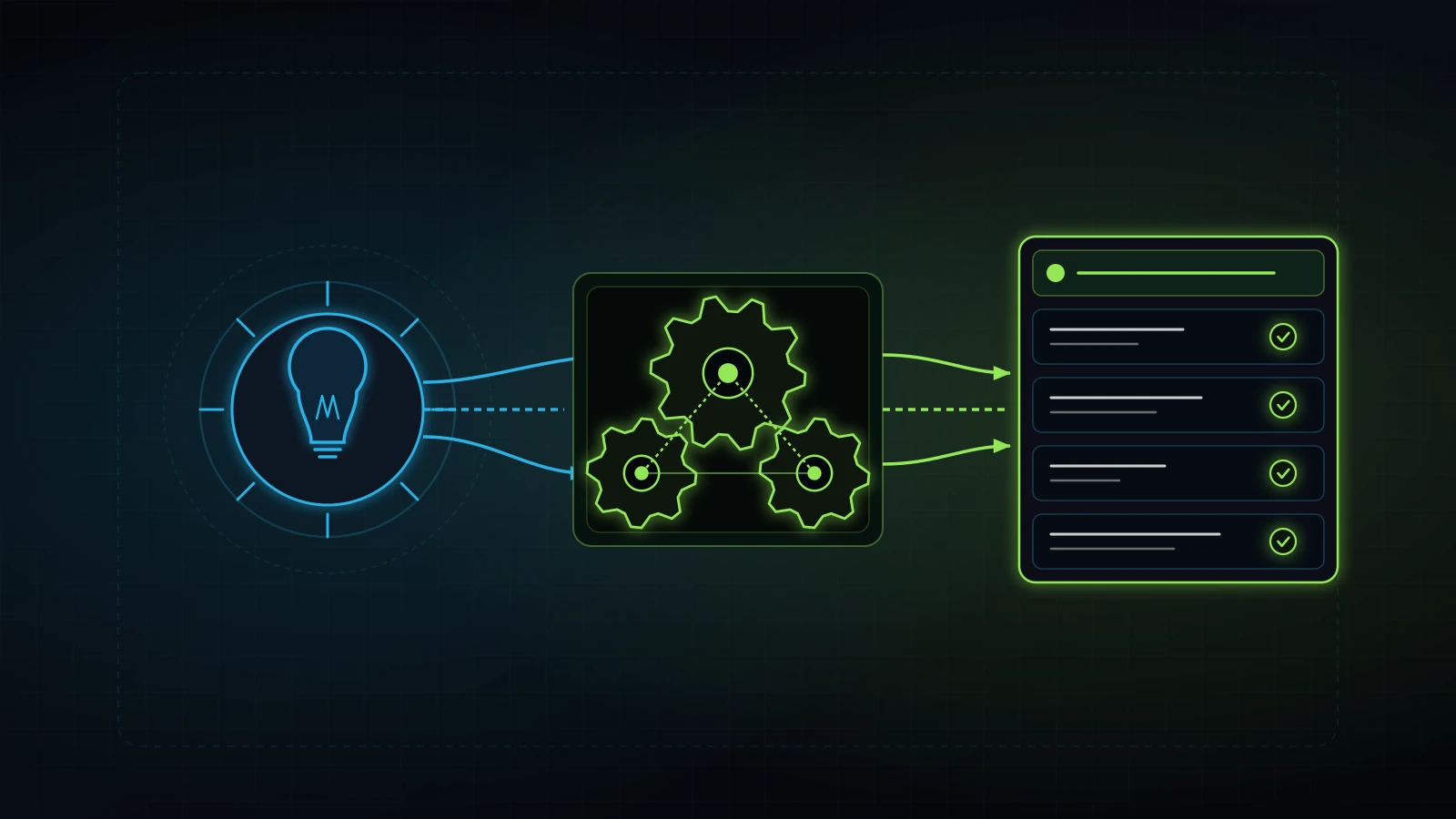
Founders trapped in daily execution cannot scale. Operational leadership bridges strategy and delivery without C-suite payroll bloat.
Use these four operator checkpoints before committing to expensive executive retainers.
A fractional integrator is an experienced operations executive who embeds inside a growing business on a part-time or contract basis to lead, manage, and hold the team accountable for executing the founder’s strategic plan. Unlike an external business consultant who delivers static slide presentations and leaves execution to your staff, a fractional integrator steps directly into the leadership seat. They run weekly operational cadences, resolve cross-department friction, supervise project milestones, and translate high-level vision into daily operational reality. For founders generating between $1M and $5M in annual revenue, hiring a fractional integrator provides the disciplined execution of a seasoned Chief Operating Officer at roughly 20% to 30% of the cost of a full-time executive (BLS, 2024; Shift Focus, 2026).
Over a decade of practical experience helping founders exit the operator trap, I have watched countless talented entrepreneurs hit an invisible ceiling. In the early stages of a service business, the founder’s personal energy, charisma, and subject-matter expertise propel the company forward. You close the deals, you oversee delivery, you troubleshoot customer disputes, and you personally train new hires. But once your company reaches 8, 15, or 25 employees, that founder-centric engine breaks down.
Every strategic initiative stalls because you are stuck answering 40 Slack messages, attending six internal check-ins, and firefighting client escalations. You become the single biggest bottleneck in your own business. Checkpoint 5 of my operational experience captures this exact pain point: before transitioning to our current agile model, I ran three agencies from a three-floor office with 20 to 25 employees. On paper, revenue was respectable and systems functioned. In reality, I personally handled operations management, client retention, team administration, and daily problem-solving. I had built a successful business, but I was completely trapped inside it.
Escaping that trap requires operational leadership. However, most seven-figure businesses do not need, and cannot afford, a $250,000 full-time Chief Operating Officer (BLS, 2024). This guide explains how the fractional integrator role works, what it costs, how it differs from a fractional COO, and how to implement structured accountability inside your company without burning capital on bloated management overhead.
What Is a Fractional Integrator? Core Responsibilities and Mandate
A fractional integrator takes complete ownership of business execution so the founder can focus on market strategy, product innovation, and high-value relationships. Operating typically between 10 and 20 hours per week, this executive serves as the glue holding leadership, department heads, and operational workflows together.
To understand the role, you must understand the distinction popularized by Gino Wickman and Mark C. Winters in the Entrepreneurial Operating System (EOS) literature: the tension between the Visionary and the Integrator (Wickman & Winters, 2010). The Visionary is usually the founder. Visionaries generate ideas, spot market trends, build strategic partnerships, and push for growth. However, Visionaries are notoriously prone to shiny object syndrome. They initiate ten projects at once, change direction weekly, and grow frustrated when the team struggles to keep up.
The Integrator provides the operational counterweight. The Integrator loves clarity, structure, repeatable processes, and accountability. When a Visionary says, “We should launch three new service offerings next month,” the Integrator responds, “Let us look at our capacity scorecard, evaluate current client delivery, and decide which single initiative will produce the highest margin without breaking our delivery team.”
+-------------------------------------------------------------------------------+
|                      VISIONARY VS. INTEGRATOR DYAD                            |
+-------------------------------------------------------------------------------+
| THE VISIONARY (Founder / CEO)        | THE FRACTIONAL INTEGRATOR              |
| - Big-picture market strategy        | - Operational plan execution           |
| - Creative idea generation           | - Filter and prioritization barrier    |
| - Key partner & client relationships | - Cross-department team alignment      |
| - Culture, vision, and inspiration   | - Weekly accountability cadences       |
| - External growth opportunities      | - P&L discipline and delivery metrics  |
+-------------------------------------------------------------------------------+
A seasoned fractional integrator owns five primary operational responsibilities inside your business:
1. Leadership, Management, and Accountability (LMA)
The integrator manages your direct reports, which typically include department leads across sales, marketing, operations, and finance. They conduct weekly one-on-one reviews, clear cross-functional roadblocks, and ensure every manager understands their quarterly priorities. By stepping between the founder and department heads, the integrator eliminates conflicting instructions and prevents team members from dragging the founder into daily operational weeds.
2. Operational Rhythm and Cadence Management
Execution fails when meetings lack discipline. The fractional integrator institutes a structured meeting rhythm, such as the Level 10 (L10) meeting format from EOS or an agile sprint review cadence. Every week, the leadership team reviews key metrics, checks progress on quarterly goals (often called “Rocks”), and identifies root causes for operational roadblocks using structured frameworks like IDS (Identify, Discuss, Solve).
3. Process Architecture and Systemization
A business cannot scale if critical workflows exist only inside people’s heads. The integrator identifies operational leaks, documents standard operating procedures, and embeds those standards into daily software tools. In our doctrine, this aligns with Checkpoint 31: “Systems before sales; once an outcome is achieved, turn it into a system.” The integrator ensures that when a client is onboarded or a project is delivered, the team follows a documented checklist rather than improvising.
4. Metric Scorecards and Performance Visibility
Entrepreneurs often manage by gut feeling rather than objective data. A fractional integrator builds and maintains an operational scorecard containing 5 to 15 leading indicators. Instead of waiting for monthly financial statements to discover margin erosion, the leadership team tracks weekly delivery velocity, customer churn signals, capacity utilization, and employee bandwidth in real time.
5. Strategic Prioritization and Idea Filtration
The integrator acts as an essential buffer between the founder’s brainstorms and the delivery team’s workload. When the founder returns from an industry conference with six new ideas, the integrator logs those ideas into a parking lot, evaluates their operational feasibility, and aligns them against existing quarterly priorities. This protects frontline employees from whiplash and keeps the organization focused on completing active projects.
Fractional Integrator vs Fractional COO vs Full-Time Executive: The Decision Matrix
Evaluating senior operations talent requires distinguishing between a fractional integrator, a fractional COO, and a full-time operations executive. While these terms are frequently conflated in job boards and agency marketing, their strategic scope, daily activities, and price points differ significantly.
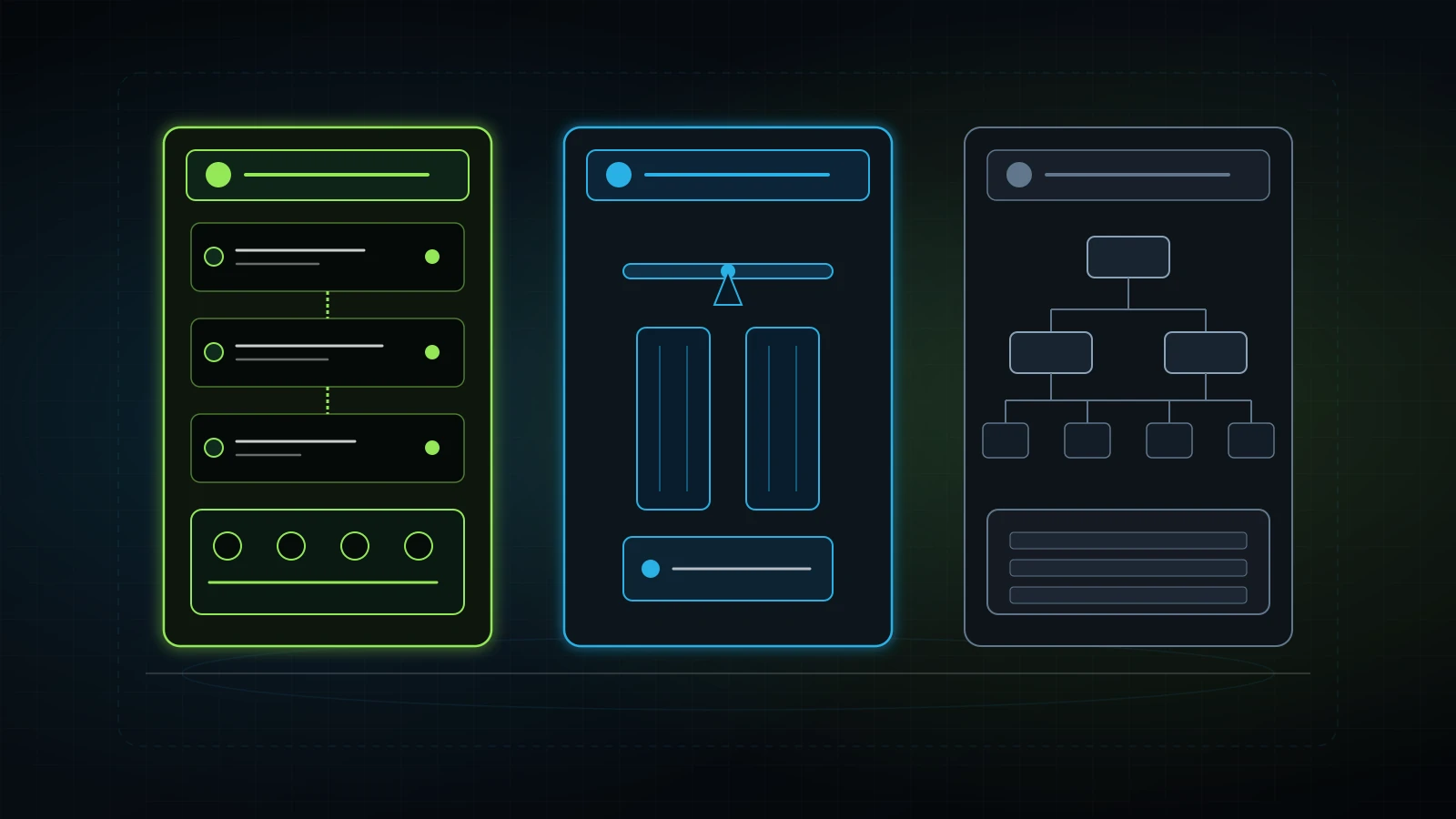
Many founders make the costly mistake of hiring a high-priced full-time Chief Operating Officer too early. When a $2M service business hires an executive who spent 15 years in enterprise corporate management, the result is often cultural friction and wasted payroll. Corporate COOs are accustomed to delegating to large administrative teams, managing complex governance committees, and working from existing infrastructure. In a nimble seven-figure business, there is no corporate bureaucracy. You do not need someone to manage committees; you need an operator who can roll up their sleeves, audit your CRM pipelines, map out your delivery handoffs, and hold staff directly accountable.
The following matrix outlines how these three operational roles compare across core organizational dimensions:
| Dimension | Fractional Integrator | Fractional COO | Full-Time Operations Executive |
|---|---|---|---|
| Typical Business Size | $1M to $5M annual revenue | $2M to $10M annual revenue | $7M+ annual revenue |
| Weekly Time Commitment | 10 to 20 hours per week | 15 to 25 hours per week | 40+ hours per week |
| Primary Focus | Daily execution, team alignment, EOS / agile cadences | Strategic architecture, capital allocation, scale modeling | Full organizational leadership, executive governance |
| Relationship to Founder | Operational counterpart and execution buffer | Strategic peer and corporate co-pilot | Permanent second-in-command |
| Hands-On System Setup | High (builds workflows, audits task boards, configures scorecards) | Medium (directs managers to build workflows) | Low (supervises existing department directors) |
| Typical Monthly Retainer | $3,500 to $8,000 / month | $5,000 to $12,000 / month | $18,000 to $25,000+ / month (salary + benefits) |
| Annualized Cost | $42,000 to $96,000 | $60,000 to $144,000 | $220,000 to $350,000+ total compensation |
| Contract Flexibility | 30 to 90-day renewal periods | 3 to 6-month commitments | Multi-year executive agreement with severance/equity |
Source: Bureau of Labor Statistics Executive Compensation Data (BLS, 2024); Shift Focus Fractional Benchmarks (Shift Focus, 2026); DataForSEO Commercial Rate Tracking (DataForSEO, 2026).
Fractional Integrator vs. Fractional COO: Nuanced Differences
While the roles overlap, a fractional integrator is specifically execution-centric. If your company already runs on the Entrepreneurial Operating System (EOS) or a comparable operational framework, an integrator fits directly into your established organizational chart. Their primary mandate is harmony and execution: getting sales, marketing, and delivery to operate in lockstep.
A fractional COO, by contrast, frequently takes on broader strategic mandates. They may advise on mergers and acquisitions, negotiate complex banking covenants, evaluate multi-entity corporate structures, or prepare the company for private equity recapitalization. If your immediate operational challenge is that projects miss deadlines, staff lack clear task priorities, and clients experience inconsistent onboarding, you need an integrator to fix execution, not a high-level corporate strategist.
The Financial Economics: Fractional Integrator Cost Breakdown (2026 Benchmarks)
Investing in operational leadership requires assessing whether the expected margin recovery and founder time savings justify the monthly retainer. Fractional integrator pricing varies based on experience, weekly time allocation, and company complexity, but industry benchmarks establish clear parameters.
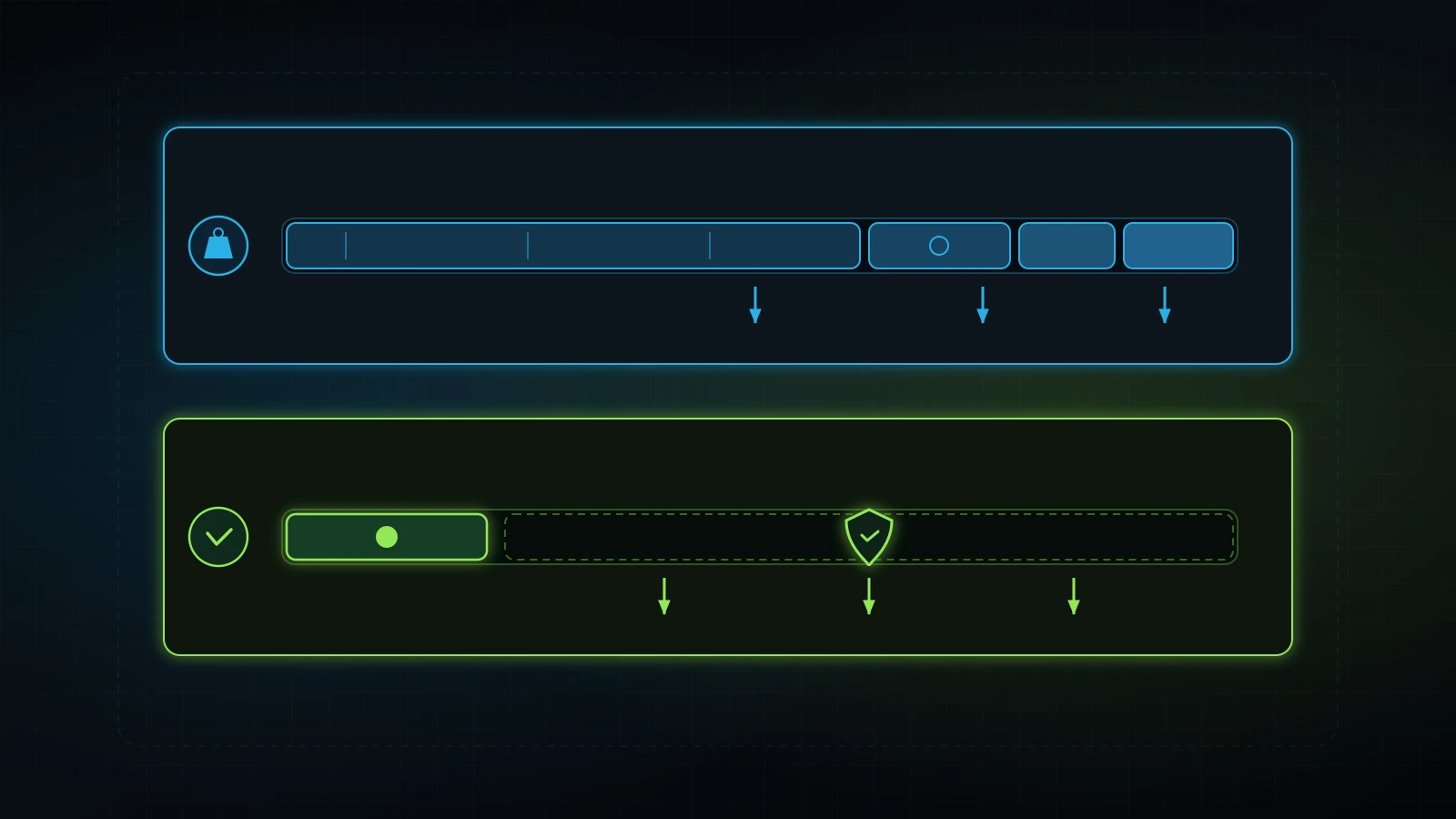
According to operational leadership industry studies, fractional integrator retainers in 2026 typically range from $3,500 to $9,000 per month, translating to an annual investment of $42,000 to $108,000 (Shift Focus, 2026; DataForSEO, 2026). In contrast, hiring a full-time operations executive demands an annual base salary of $180,000 to $250,000, plus executive benefits, performance bonuses, payroll taxes, and potential equity grants, pushing total annual cost well beyond $300,000 (BLS, 2024).
+-------------------------------------------------------------------------------+
|             ANNUAL FINANCIAL COMPARISON: FULL-TIME VS. FRACTIONAL             |
+-------------------------------------------------------------------------------+
| FULL-TIME COO / INTEGRATOR:                                                   |
| - Base Salary:                                     $210,000.00                |
| - Payroll Taxes & Healthcare Benefits (22%):       $ 46,200.00                |
| - Annual Performance Bonus (15%):                  $ 31,500.00                |
| - Executive Recruiter Placement Fee (25% base):    $ 52,500.00                |
| TOTAL YEAR 1 FULL-TIME INVESTMENT:                 $340,200.00                |
+-------------------------------------------------------------------------------+
| FRACTIONAL INTEGRATOR (15 hrs/week):                                          |
| - Average Monthly Retainer ($5,500/mo):            $ 66,000.00                |
| - Executive Benefits & Taxes:                      $      0.00 (1099 vendor)  |
| - Recruiter Placement Fee:                         $      0.00                |
| TOTAL YEAR 1 FRACTIONAL INVESTMENT:                $ 66,000.00                |
+-------------------------------------------------------------------------------+
| ANNUAL CAPITAL PRESERVED:                          $274,200.00 (80.6% savings)|
+-------------------------------------------------------------------------------+
The ROI Calculation: How a Fractional Integrator Pays for Themselves
A fractional integrator should not represent an unrecovered overhead expense. In a properly managed service firm, their presence recovers capital across three concrete operational areas:
- Recovery of Billable Founder Capacity: If a founder currently billing or consulting at $300 to $500 per hour spends 20 hours each week firefighting operational issues, the company loses $6,000 to $10,000 in weekly opportunity cost according to consulting capacity research (HBR, 2023). Shifting those 20 hours toward high-ticket business development, client strategy, or key account retention generates immediate top-line return.
- Reduction in Client Churn and Project Rework: Service businesses leak significant margin through sloppy onboarding, unbilled scope creep, and delivery delays. As documented in our analysis of service business revenue leaks, unmonitored scope expansion routinely erodes 12% to 18% of project profitability. By establishing rigorous milestone gating, an integrator protects gross margins.
- Staff Retention and Reduced Turnover Costs: When operations lack clear leadership, your best performers burn out and quit. Replacing a skilled technical specialist or account manager costs between 50% and 100% of their annual salary in recruiting costs, lost productivity, and training time (Society for Human Resource Management [SHRM], 2024). A disciplined integrator creates clear task assignments and fair accountability, stabilizing employee retention.
Checkpoint 20: Budget-Proportional System Design
In Checkpoint 20 of my operational notes, I emphasize the principle of Budget-Proportional System Design based on client practice research (TRC, 2026). When founders feel overwhelmed, their initial impulse is often to throw money at the problem: they sign up for a $10,000 per month integrator retainer, purchase five new enterprise software licenses, or hire multiple assistants.
This top-heavy approach creates severe financial strain. In our illustrative financial research, if your business generates $1.5M in annual revenue ($125,000 per month) with a 20% net margin ($25,000 monthly profit), spending $8,000 to $10,000 per month on a fractional integrator consumes 32% to 40% of your entire net profit (TRC, 2026).
Illustrative Margin Impact of Top-Heavy Management Overhead:
Monthly Gross Revenue:                   $125,000.00
Pre-Integrator Net Profit (20%):         $ 25,000.00
Expensive Integrator Retainer ($9,000):  -$ 9,000.00
Remaining Owner Net Profit:              $ 16,000.00 (36% profit reduction)
Before committing to a heavy monthly retainer, evaluate whether your operational bottlenecks stem from a lack of executive talent or simply a lack of clean, documented workflows. In many cases, establishing clear task management boards, training department champions, and engaging targeted operational advisory (such as our $499 monthly TRC advisory model at /advisory/) resolves 80% of delivery chaos without gutting company profit margins.
The 90-Day Operational Onboarding Cadence: What an Integrator Delivers
A qualified fractional integrator follows a structured 90-day onboarding methodology that establishes immediate operational traction. When you bring an integrator into your organization, they must not spend three months observing silently; they should follow a clear three-phase sequence from diagnostic audit to autonomous management.
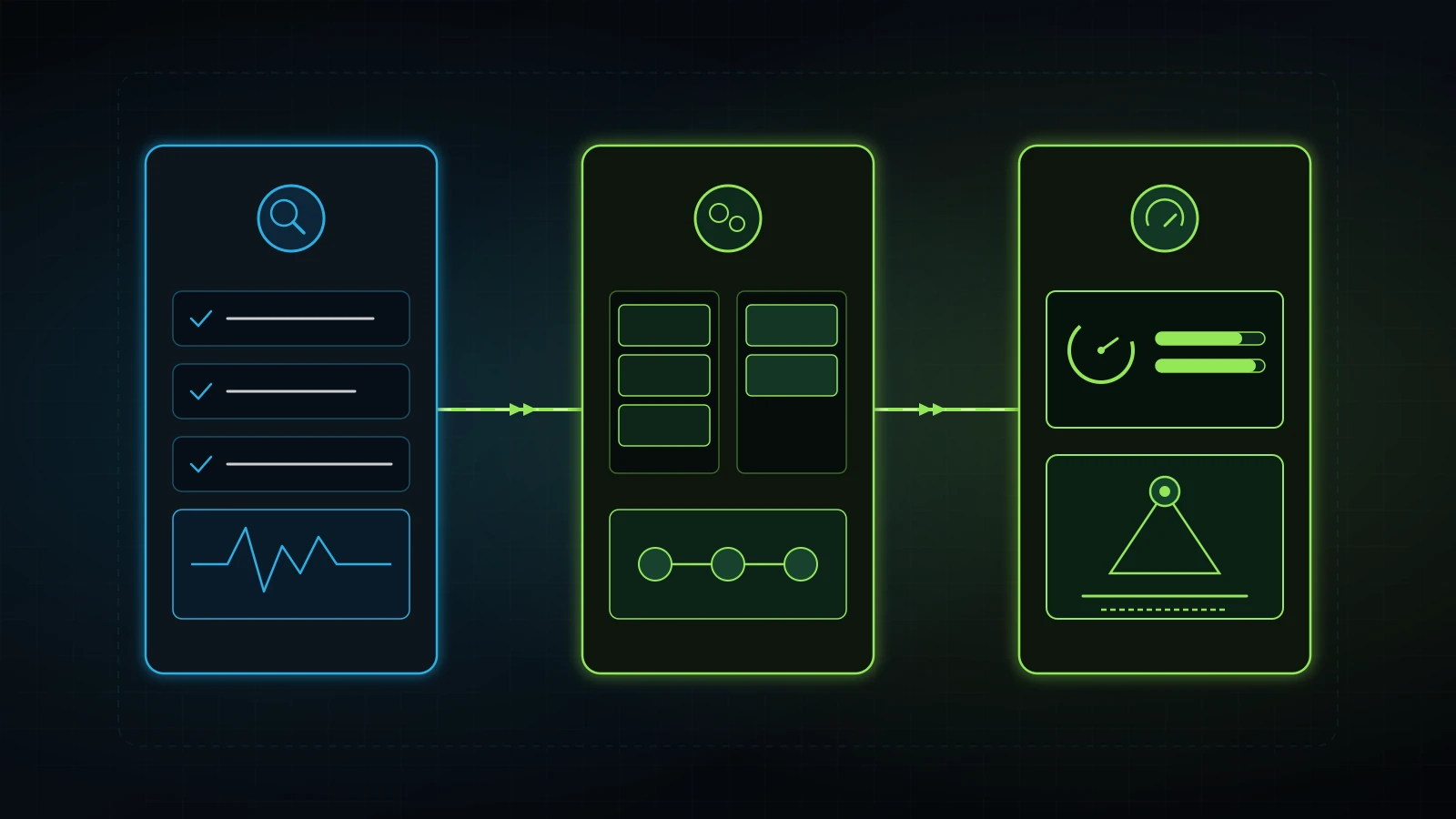
Phase 1: Days 1 to 30 (Diagnostic Audit, Bottleneck Mapping, and Triage)
During the first month, the fractional integrator conducts a deep examination of your current operational machinery. Rather than implementing sweeping structural changes immediately, they listen, observe, and document reality.
- Founder Brain Dump and Alignment: The integrator conducts intensive discovery sessions with the founder to document company goals, current strategic initiatives, and immediate operational frustrations. They clarify the boundaries of the Visionary/Integrator relationship: what decisions the founder retains, and what operational domains the integrator owns completely.
- One-on-One Team Interviews: The integrator conducts confidential 30-minute interviews with every key team member. They ask three diagnostic questions: What is working well? What is slowing you down? If you could fix one broken process tomorrow, what would it be?
- Workflow and Tech Stack Audit: They map out your delivery pipelines from contract signature to final client delivery, identifying disconnected software tools, duplicate data entry, and unowned communication channels.
- Immediate Triage of Firefighting Loops: The integrator identifies the top two operational fires consuming the founder’s daily attention and institutes temporary stopgap measures to relieve founder pressure within the first two weeks.
Phase 2: Days 31 to 60 (Process Standardization and Accountability Infrastructure)
With the operational baseline mapped, the integrator builds the core infrastructure required for repeatable delivery and staff accountability.
- Establishing the Accountability Chart: In growing companies, organizational charts frequently reflect job titles rather than actual operational accountability. The integrator builds a functional Accountability Chart defining the five core responsibilities for every seat in the business, ensuring each seat has exactly one person accountable for results.
- Instituting Weekly Meeting Cadences: The integrator launches structured weekly leadership meetings (such as the EOS Level 10 format). They establish strict meeting hygiene: starting and ending on time, reviewing scorecards, and spending 60% of the meeting solving root causes rather than sharing informational updates.
- Implementing Standardized Task Boards (Checkpoint 24): In our operational doctrine at Integral Technologists, we rely on Checkpoint 24: standardized task instructions inside
iT-Kanban. The integrator ensures tasks for frontline staff arrive with explicit instructions, clear scope boundaries, deadlines, and reporting criteria. This eliminates the ambiguity that causes employee execution failure. - Empowering Department Champions (Checkpoint 6): Rather than trying to micromanage every individual worker, the integrator identifies one capable leader per department (such as our team lead Talha / Jason who oversees CRM automations and client delivery). The integrator trains that champion to document department workflows and supervise frontline execution, preventing management bottlenecks.
Phase 3: Days 61 to 90 (Autonomous Execution and Founder Liberation)
By month three, the operational framework transitions from implementation into autonomous daily operation.
- Live Weekly Scorecard Tracking: The leadership team reviews 5 to 15 leading indicators weekly. Deviations from target numbers trigger immediate problem-solving before they impact client satisfaction or cash flow.
- Quarterly Priority (Rocks) Execution: The integrator tracks progress on quarterly goals, ensuring projects remain on schedule and holding managers accountable for milestone completion.
- Removing the Founder from Daily Escalations: All internal questions, operational disputes, and scheduling requests route directly to the integrator and department leads. The founder attends weekly strategic meetings and quarterly planning sessions, but no longer handles daily operational troubleshooting.
- Quarterly Strategic Planning Facilitation: At the end of 90 days, the integrator facilitates the company’s first structured quarterly planning session, reviewing past performance, setting new Rocks for the upcoming quarter, and recalibrating capacity.
The EOS Framework Connection: How Integrators Operate Inside Traction
The concept of an Integrator is central to the Entrepreneurial Operating System (EOS), a business management framework outlined in Gino Wickman’s book Traction and practiced by over 100,000 companies globally (EOS Worldwide, 2024). While you do not need to be a formal EOS company to benefit from an integrator, understanding the EOS toolkit illuminates why the role is so effective.
EOS is built around six core business components: Vision, People, Data, Issues, Process, and Traction. The Visionary typically leads the Vision component, while the Integrator takes ownership of executing the remaining five components across the organization.
+-------------------------------------------------------------------------------+
|                       THE 6 EOS COMPONENTS & OWNERSHIP                        |
+-------------------------------------------------------------------------------+
| EOS COMPONENT     | PRIMARY OWNER          | KEY OPERATIONAL DELIVERABLE      |
| 1. Vision         | Visionary (Founder)    | Core Values, 10-Year Target      |
| 2. People         | Integrator             | Right People in Right Seats      |
| 3. Data           | Integrator             | Weekly Measurables & Scorecards  |
| 4. Issues         | Integrator & Team      | IDS Root-Cause Problem Solving   |
| 5. Process        | Integrator             | Core Process Documentation (SOPs)|
| 6. Traction       | Integrator             | 90-Day Rocks & L10 Cadences      |
+-------------------------------------------------------------------------------+
The Level 10 (L10) Meeting: The Engine of Weekly Execution
The hallmark of EOS operational discipline is the weekly 90-minute Level 10 meeting, run by the Integrator. The agenda follows an unyielding structure designed to eliminate wasted discussion:
- Good News (5 minutes): Quick personal and professional transition to build team camaraderie.
- Scorecard Review (5 minutes): Rapid review of leading metrics. Numbers are either on track or off track; off-track numbers drop to the Issues list without immediate debate.
- Rock Review (5 minutes): Status check on 90-day priorities. Items are on track or off track.
- Customer / Employee Headlines (5 minutes): Brief positive or negative notifications regarding key accounts or staff members.
- To-Do List Review (5 minutes): Verification that last week’s 7-day action items were completed (target is 90%+ completion rate).
- IDS: Identify, Discuss, Solve (60 minutes): The heart of the meeting. The team prioritizes the issues list, identifies the true root cause of the top problem, discusses solutions, and assigns a specific owner and 7-day action item.
- Conclude (5 minutes): Recap to-do items, confirm messaging to the rest of the company, and rate the meeting on a 1-to-10 scale.
Why Software Alone Cannot Replace an Integrator
Founders frequently attempt to solve operational chaos by purchasing project management software like ClickUp, Asana, Monday.com, or Monday Dev. However, as I often explain to clients, software is merely an empty container. A tool cannot run an L10 meeting, resolve interpersonal friction between your sales director and delivery manager, or hold a struggling employee accountable for poor output.
Without an integrator to establish and enforce operational rules, digital task boards quickly become graveyards of overdue tickets, neglected notifications, and confusing project statuses. The integrator provides the human discipline that gives software tools meaning and utility.
When Your Business Is Ready to Hire a Fractional Integrator (and When It Is Not)
Hiring a fractional integrator at the wrong stage of business maturity wastes capital and creates unnecessary organizational complexity. Before initiating an executive search, evaluate your company against clear operational and financial readiness indicators.
+-------------------------------------------------------------------------------+
|                      FRACTIONAL INTEGRATOR READINESS GATE                     |
+-------------------------------------------------------------------------------+
| GREEN FLAGS (Ready to Hire):          | RED FLAGS (Not Ready to Hire):        |
| - Annual revenue between $1M and $5M  | - Revenue below $750,000              |
| - Proven product-market fit           | - Offer still changing every month    |
| - 5 to 25 full-time team members      | - Fewer than 3 employees              |
| - Founder is delivery bottleneck      | - Founder unwilling to let go control |
| - Stable margins (15%+ net)           | - Expecting sales rainmaker / revenue |
| - Clear strategic vision exists       | - Operating on thin cash reserves     |
+-------------------------------------------------------------------------------+
Green Flags: You Are Ready for a Fractional Integrator
- The Founder Bottleneck Is Stifling Growth: New client inquiries arrive regularly, but you hesitate to close them because you know your delivery team is already stretched thin and you lack the personal capacity to manage additional projects.
- Revenue Stability Above Seven Figures: Your business generates consistent annual revenue between $1M and $5M. You have proven client demand, validated pricing, and repeatable delivery, but lack the operational structure to scale beyond your current plateau.
- Team Size Exceeds Direct Management Bandwidth: You employ between 5 and 25 team members. Managing everyone directly has become an impossible administrative burden, leading to miscommunication and delayed deliverables.
- The Founder Is Ready to Empower Leadership: You genuinely want to step out of daily delivery, empower department managers, and respect the decisions of an operational partner, rather than continuing to micromanage every detail.
Red Flags: When Hiring an Integrator Is a Mistake
- You Have Not Achieved Product-Market Fit: If your core offer changes every three weeks, your pricing remains experimental, and you are still struggling to generate consistent sales, an integrator cannot help you. Integrators scale existing, proven delivery engines; they do not invent market strategy or discover customer demand.
- You Need Sales and Revenue, Not Operations: Integrators optimize internal delivery, process efficiency, and team accountability. If your primary business problem is an empty sales pipeline, do not hire an integrator. Hire a proven sales leader, invest in qualified lead generation, or audit your conversion funnels.
- Annual Revenue Is Under $750,000: According to operational benchmarks, in businesses generating under $750k annually, cash flow is precious and must be allocated directly toward customer acquisition and frontline production. Adding a $5,000 monthly management retainer when gross margins are tight creates dangerous overhead.
- The Founder Cannot Relinquish Control: If you feel compelled to review every email sent by your account managers, dictate exact software choices, and overturn your team’s operational decisions, hiring an integrator will result in bitter conflict. A fractional integrator requires genuine executive autonomy to succeed.
How to Hire a Fractional Integrator: Vetting Questions and Red Flags
Finding the right operational counterpart requires a rigorous interview process. Because integrators operate inside the heart of your business, hiring someone with the wrong temperament or mismatched experience will cause severe organizational disruption.
Step 1: Define Your Operational Seat Description
Before posting an inquiry or reaching out to networks, draft a clear role description detailing your current operational challenges. Specify the core software tools your team uses (such as GoHighLevel, Slack, HubSpot, or ClickUp), your team structure, your weekly time expectation (typically 10 to 15 hours per week), and the three concrete operational outcomes you expect within the first 90 days.
Step 2: Eight Diagnostic Interview Questions to Ask Candidates
Use these targeted behavioral questions to evaluate whether a candidate possesses practical operator experience or merely recites management textbooks:
- “Describe a situation where a visionary founder introduced an idea that threatened to derail quarterly delivery. How did you handle the situation without alienating the founder?” (Look for diplomatic firmness and objective prioritization frameworks, not passive subservience or aggressive dismissiveness.)
- “Walk me through the exact steps you take during your first 30 days inside an operational engagement.” (Candidates should outline a clear diagnostic listening phase rather than promising immediate structural overhauls.)
- “How do you handle an underperforming employee who has been with the company since the beginning and maintains a close personal friendship with the founder?” (Listen for objective performance documentation, respectful direct feedback, and alignment with the founder before disciplinary action.)
- “What operational frameworks outside of formal EOS have you implemented in service businesses?” (Great integrators adapt principles from Agile, Lean, and Scrum; beware of dogmatic candidates who can only follow a single textbook playbook.)
- “How do you measure whether your presence as a fractional integrator is delivering positive financial return?” (Expect specific metrics: margin recovery, capacity utilization, project turnaround times, or founder hours saved.)
- “How many clients do you actively serve simultaneously right now?” (An integrator serving more than 3 or 4 clients simultaneously will struggle to provide the cognitive focus and responsiveness your team requires.)
- “What is your approach to process documentation? Do you write 40-page SOP manuals, or do you use lightweight digital checklists?” (Candidates should emphasize practical, bite-sized checklists that employees actually follow in daily work.)
- “Describe your experience with modern CRM and automation tools.” (A modern operator must understand automated workflows, webhook integrations, and digital intake architecture, not just high-level management theory.)
Step 3: Red Flags During the Interview Process
- The Theoretical Consultant: The candidate speaks exclusively in abstract corporate jargon (“synergy,” “paradigm shifts,” “strategic alignment”) but cannot explain how they resolved a real delivery bottleneck in their last engagement.
- The Overextended Freelancer: The candidate treats the integrator role as a casual side hustle alongside six other consulting gigs and an unrelated startup venture.
- The Rigid Dogmatist: The candidate insists that every business must follow their specific methodology to the letter, regardless of your industry, team culture, or operational complexity.
- Lack of Cultural Humility: The candidate immediately criticizes your current team and existing workflows during the interview without understanding the business context behind why things were built that way.
The Agile Alternative: Budget-Proportional Advisory and Lean Systems
While a skilled fractional integrator provides tremendous value, hiring one is not the only path to operational sanity. According to service business financial research, for many founders generating between $500,000 and $2M in annual revenue, committing to a $5,000 to $8,000 monthly retainer is financially premature.
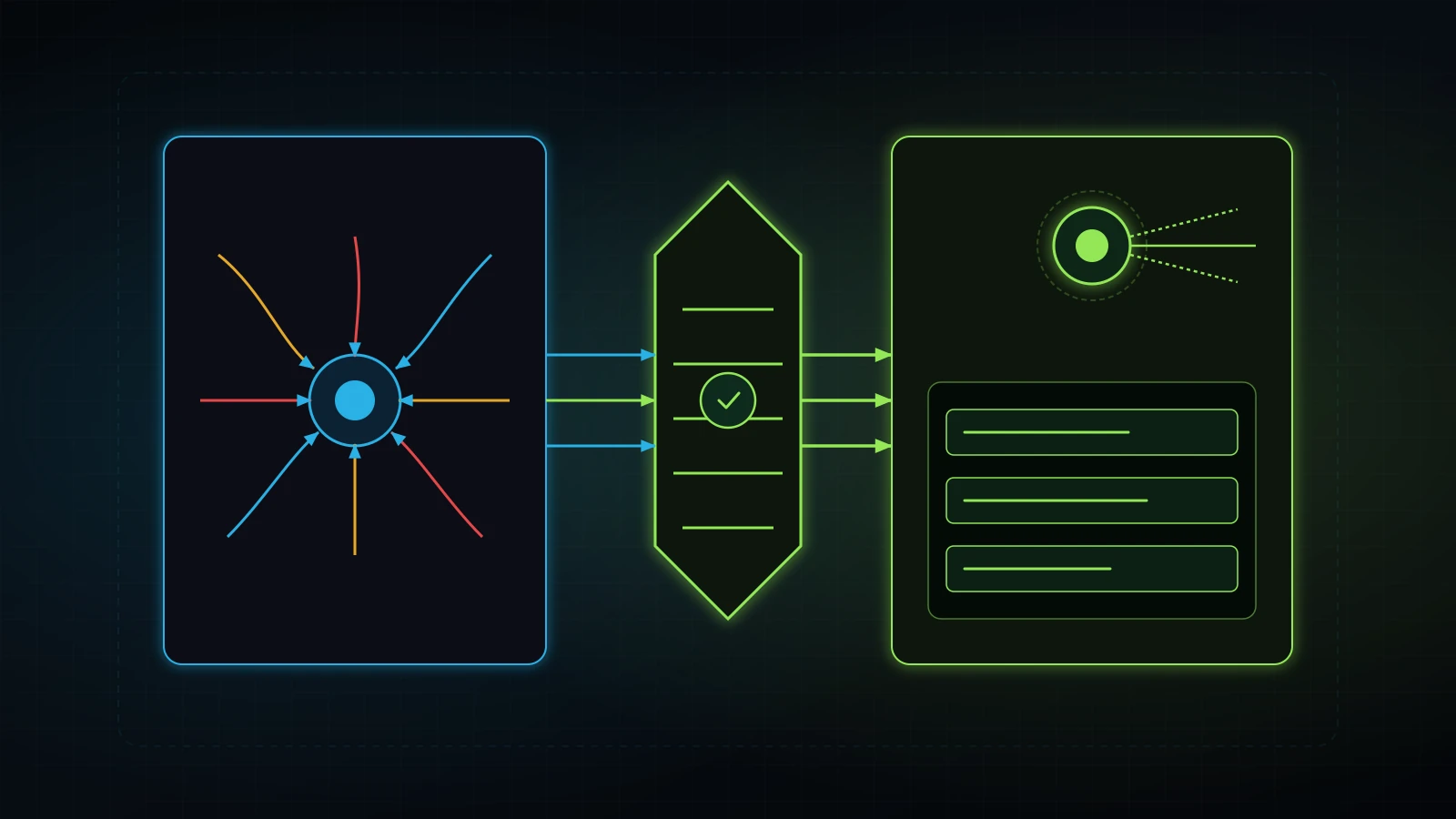
When I recognized the operational strain of running a three-floor, 25-person agency, I did not solve the problem by layering expensive external executives on top of an already bloated overhead structure. Instead, as recorded in Checkpoint 5, we took a radically different path: we downsized physical office bloat and rebuilt our operating model around an agile core of eight capable people.
Rather than paying thousands of dollars for an outside executive to attend weekly meetings, we implemented three internal operational pillars:
1. Training Internal Department Champions (Checkpoint 6)
Instead of hiring an expensive outside operations manager, we identified high-aptitude team members already embedded inside our departments and invested in their operational development. For example, our team lead Talha (known as Jason to US clients) was trained to master GoHighLevel workflows, ad operations, and client communication standards. He then took ownership of documenting department workflows and supervising junior team members.
By elevating internal champions, you develop authentic leadership from within your existing payroll. Your champions already understand your clients, your culture, and your service delivery, eliminating the steep learning curve required by outside executives.
2. Standardized Task Instructions and Asynchronous Accountability (Checkpoint 24)
Operational chaos rarely stems from bad employees; it stems from vague instructions. When a founder says, “Handle the onboarding for the new client,” the employee must guess what steps are required, leading to omissions and frustration.
Inside our iT-Kanban system, we established explicit guidelines for every task card:
- Exact deliverable specifications and scope limits
- Required input files and asset locations
- Strict deadline parameters
- Specific verification steps required before moving the card to “Submitted for Review”
When work is standardized into explicit task cards, accountability becomes objective and non-punitive. If a task is delayed or misses a specification, the issue is visible on the board immediately. The founder does not need to spend hours conducting check-in meetings; a five-minute glance at the board reveals the exact operational health of every client project.
3. The Budget-Proportional Advisory Model ($499/mo)
For founders who need experienced operational guidance but want to avoid the heavy financial commitment of a fractional integrator retainer, we created the TRC Operational Advisory program at /advisory/.
Under our advisory model, according to TRC program standards, you do not pay an executive $6,000 per month to sit in your weekly team meetings. Instead, for $499 per month, you get direct access to seasoned operational review. We examine your current delivery bottlenecks, audit your CRM and tech stack architecture, review your task management systems, and provide the exact frameworks required to build internal accountability.
This approach keeps your fixed management overhead lean, preserves your company’s net profit margins, and empowers your internal team to execute with clarity and confidence. If you are generating healthy revenue but feel overwhelmed by daily operational chaos, explore our direct advisory options at The Retired Consultant Advisory to begin building systems that set you free.
Frequently Asked Questions About Fractional Integrators
What does a fractional integrator do on a day-to-day basis?
A fractional integrator manages daily business execution by running structured weekly leadership meetings, monitoring operational scorecards, resolving cross-department delivery bottlenecks, and holding team members accountable for quarterly goals. They serve as an operational buffer between the visionary founder and the delivery team, ensuring strategic initiatives are translated into documented, repeatable workflows.
How much does a fractional integrator cost in 2026?
Hiring a fractional integrator in 2026 typically costs between $3,500 and $9,000 per month ($42,000 to $108,000 annually) for 10 to 20 hours of weekly executive leadership (Shift Focus, 2026). In contrast, a full-time Chief Operating Officer requires a base salary between $180,000 and $250,000, plus bonuses, taxes, healthcare benefits, and potential equity grants, with total compensation often exceeding $300,000 annually (BLS, 2024).
What is the difference between a fractional integrator and a fractional COO?
While both provide part-time operational leadership, a fractional integrator focuses primarily on internal execution, cross-team harmony, and process discipline (frequently within the EOS framework). A fractional COO often carries a broader strategic mandate that includes corporate restructuring, capital allocation, mergers and acquisitions, and investor relations. Integrators build and enforce daily delivery systems, whereas COOs often handle macro-level corporate strategy.
How many hours per week does a fractional integrator typically work?
Most fractional integrators dedicate between 10 and 20 hours per week to a client engagement, depending on company size and operational complexity. This allocation includes facilitating the weekly 90-minute leadership meeting, conducting one-on-one reviews with department heads, reviewing operational metrics, and auditing workflow documentation.
Can a business owner or founder act as their own integrator?
A founder can temporarily serve as integrator during early-stage growth, but rarely excels at both roles simultaneously over the long term. The psychological traits of a Visionary (creative, risk-tolerant, idea-focused) conflict directly with the traits of an Integrator (structured, process-driven, detail-focused). Attempting to fill both seats permanently leads to founder burnout and operational bottlenecks.
What is the difference between an EOS Implementer and a Fractional Integrator?
An EOS Implementer is an external coach or facilitator who teaches the leadership team how to use the Entrepreneurial Operating System through five full-day sessions per year; they do not manage employees or execute work. A Fractional Integrator is an active member of your leadership team who sits in the integrator seat, attends weekly meetings, manages department leads, and drives daily operational execution.
When should a small business hire an operational consultant instead of an integrator?
According to operational research benchmarks, a small business should consider operational consulting or targeted advisory when annual revenue is under $1M or when fixed cash flow cannot comfortably sustain a $5,000 monthly retainer. Advisory programs (such as TRC Advisory at $499 per month) provide the frameworks, audits, and systems roadmaps needed to stabilize operations without committing to heavy executive overhead.
References
- Bureau of Labor Statistics (BLS). (2024). Occupational Employment and Wage Statistics: Top Executives. U.S. Department of Labor. https://www.bls.gov/oes/current/oes111011.htm
- DataForSEO. (2026). Google Organic SERP and Keyword Data API: Fractional Integrator Cost and Competition Benchmarks. https://dataforseo.com/
- EOS Worldwide. (2024). The Entrepreneurial Operating System: Organizational Research and Traction Implementation. https://www.eosworldwide.com/
- Harvard Business Review (HBR). (2023). Why Founders Struggle with Delegation and How to Build Operational Infrastructure. https://hbr.org/
- Shift Focus. (2026). Fractional Integrator Cost 2026: Full Price Breakdown and Executive Retainer Benchmarks. https://www.shiftfocusos.com/
- Society for Human Resource Management (SHRM). (2024). The Real Cost of Employee Turnover and Executive Onboarding. https://www.shrm.org/
- Wickman, G., & Winters, M. C. (2010). Rocket Fuel: The One Essential Combination That Will Get You More of What You Want from Your Business. BenBella Books.
Internal Links
- Business Process Documentation for Small Business
- How to Hold Employees Accountable Without Micromanaging
- Lean Operations: Scaling Down Headcount While Protecting Margin
- Small Business AI Consultant: How to Choose Practical Advisory
- Tech Stack Audit: How to Eliminate SaaS Bloat and Recover Margin
- Business Process Automation Consultant: When to Automate
- Client Onboarding Checklist: The Systematic Intake Framework
- Lead Follow-Up System: Building Resilient Inbound Workflows
- Service Business Revenue Leaks: How to Plug Unbilled Scope Creep
- Why Businesses Fail to Scale: Overcoming the Operator Capacity Trap
- In-House Marketing vs. Agency: Choosing Your Operating Model
- The Retired Consultant Advisory Services
