
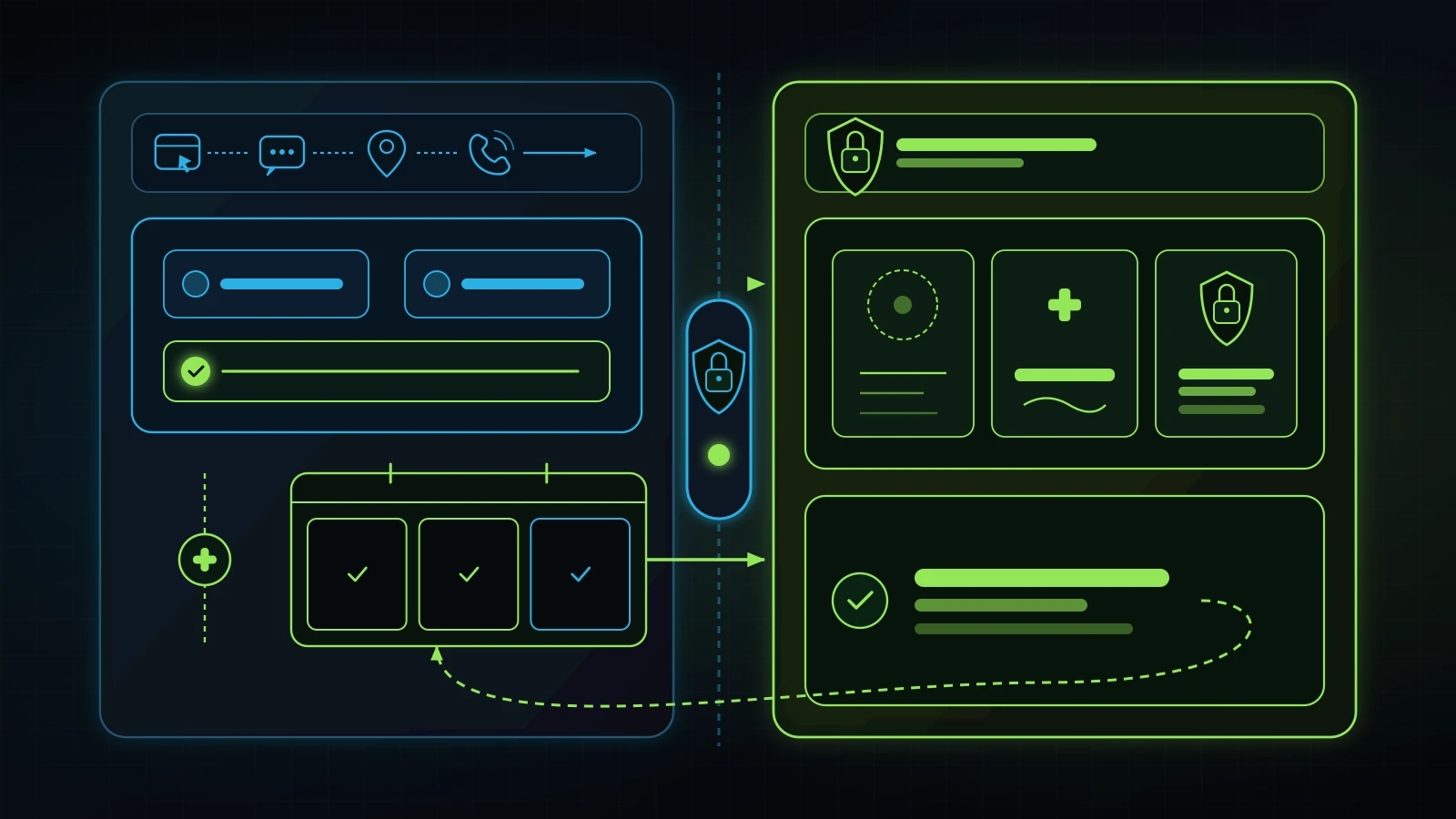
Most medical spas bleed $1,200/mo across disconnected subscriptions while staff take 12+ hours to answer hot ad leads, losing high-margin patients to the clinic down the street.
Deploy this dual-stack blueprint to separate marketing CRM from clinical EMR, lock down HIPAA texting rules, and automate 90-day recall.
A medspa crm is a front-office customer acquisition, speed-to-lead, and patient rebooking system built to capture aesthetic inquiries from ads, social DMs, Google Maps, and phone calls, book paid consultations, and automate long-term visit retention (DataForSEO, 2026). Unlike a clinical Electronic Medical Record (EMR) designed to store medical histories, consent forms, injectable lot numbers, and before-and-after charting, a dedicated medical spa CRM owns everything that happens before a patient sits in the treatment chair and everything that brings them back 60 to 120 days later (HHS, 2026; AmSpa, 2025).
Most medical spa owners buy software backwards. When clinic volume picks up, founders sign up for an expensive all-in-one EMR expecting it to handle Instagram DM capture, Meta Lead Ads, missed-call text recovery, Google review generation, and 90-day neurotoxin recall automatically. Twelve months later, the clinic is paying $1,200 to $2,000 per month across disconnected subscriptions, the front desk still answers hot ad leads 12 hours late from a shared cell phone, and a sales rep suggests buying yet another $400/month AI chat widget (Integral Technologists Case Study, 2026; Aesthetix CRM, 2026).
Across a decade of practical experience building and auditing service-business technology, including four years inside Dr. J Anti-Aging Clinic (drjantiagingclinic.com) under Dr. Junaid Syed, the single highest-margin architectural fix in aesthetic practice operations is a clean Dual-Stack Boundary: let your clinical EMR stay strictly responsible for medical charts, Good Faith Exams, and signed HIPAA Business Associate Agreements (BAAs), and connect a fast, unified front-office growth CRM on top of it so zero inquiries slip through the cracks and you stop paying redundant compliance surcharges on top-of-funnel marketing (HHS, 2026; GoHighLevel, 2026). Below is the exact blueprint we use in practice audits, backed by verified 2026 pricing across seven platforms, exact HIPAA limits, a 7-stage clinic pipeline, and a zero-disruption 14-day migration plan.
Why Most Aesthetic Clinics Own Five Subscriptions and Still Lose Half Their Leads
Buying more software never rescues an aesthetic clinic whose marketing, phone lines, web forms, and front-desk calendar do not talk to each other. Before I joined Dr. J Anti-Aging Clinic in Orlando in 2021, I already understood individual digital skills such as WordPress development, Google Ads, Meta Ads, search engine optimization, and VoIP telephony. Working closely with Dr. Junaid Syed from 2021 through 2025 as I progressed from WordPress Developer to Pakistan Operations Lead taught me the deeper truth that now anchors every audit I run at The Retired Consultant: knowing the individual tools means nothing until you wire every touchpoint into one closed-loop business-development operating system.
I remain genuinely grateful to Dr. Junaid Syed for his mentorship during those years inside a live Orlando anti-aging and medspa operation. Watching how an actual physician-led practice handles paid acquisition alongside clinical care revealed why fragmented point tools fail so predictably:
- The Multi-Channel Inbox Split: Prospective aesthetic patients rarely sit down and fill out a 12-field web form politely during office hours. They tap a Meta Reel ad at 8:40 PM, send an Instagram DM asking “How much per unit for Dysport?”, call your front desk while the coordinator is ringing up a $1,400 laser package, and click away to the next practice in Google Maps if nobody replies within five minutes (Illustrative Model, 2026).
- The Missed-Call and Human-Response Vacuum: Aesthetic practice audits consistently show single-location medspas miss between 18% and 40% of inbound phone calls during daytime clinic hours, while 30% to 40% of inquiries arrive after hours or on weekends (GlowFlow, 2025; Automeit, 2026). Even among practices that automate an initial generic text link, CRM response audits show the median delay before a real human coordinator sends a personalized follow-up exceeds 12 hours, and 48.9% of leads never receive a single personal message from staff within seven days (Aesthetix CRM, 2026).
- The Unconnected Repeat-Visit Blind Spot: According to the American Med Spa Association (
AmSpa), the average U.S. single-location medical spa generates $1,398,833 in annual revenue, processes roughly 245 patient visits per month at an average spend of $527 to $536 per visit, and relies on 73% repeat patients for its revenue stability (AmSpa, 2025). Yet most EMR calendars passively wait for treated patients to remember their own 90-day neurotoxin touch-up instead of triggering disciplined CRM recall workflows. - The $1,200+ Subscription Tax: When a clinic buys an EMR for $350/month, a standalone review platform for $300/month, an email newsletter tool for $120/month, a separate missed-call texting app for $99/month, and a form builder for $60/month, leadership ends up funding redundant data silos that require extra manual entry to reconcile (Integral Technologists Case Study, 2026).
During a tech stack audit, these four failures always appear together in the same P&L column: high customer acquisition cost paired with low consultation show rates. As you review your own clinic’s Google Business Profile audit or Facebook Ads audit, pay equal attention to what happens in the 300 seconds after an ad click or map-pack call occurs, because operational follow-through determines whether your media budget produces full injectors’ chairs or wasted impressions.
MedSpa CRM vs EMR: The HIPAA Boundary That Saves Clinics $297+ Every Month
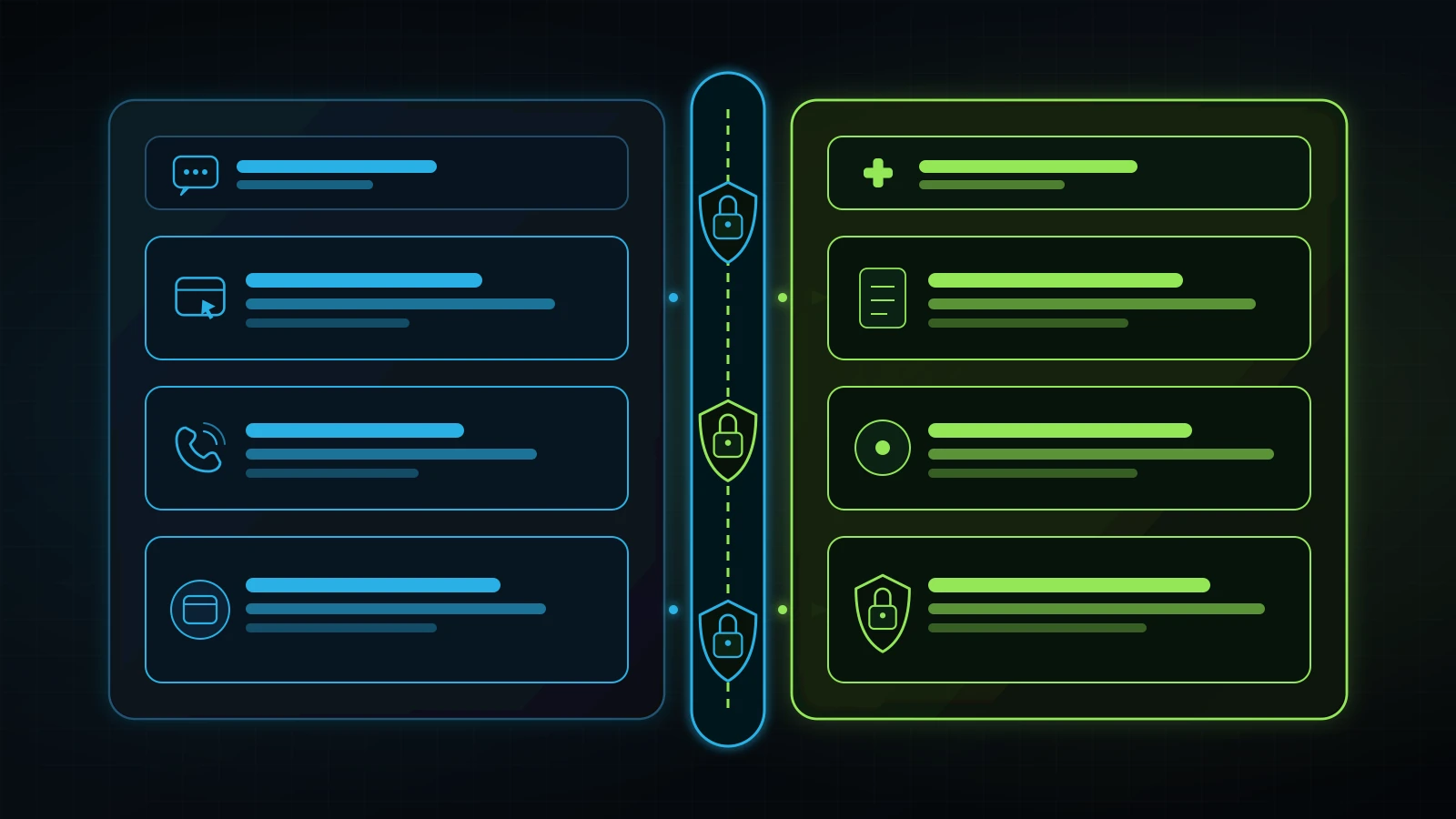
A medical spa crm manages pre-care lead conversion, communication routing, and retention marketing, whereas an Electronic Medical Record (EMR) governs HIPAA-regulated patient health records, clinical treatment notes, and medical consents (HHS, 2026). Treating those two systems as interchangeable either cripples your marketing team with an inflexible clinical database or exposes your practice to federal privacy violations by dumping sensitive medical history into an unencrypted marketing tool (HHS, 2026).
Understanding this architectural line also prevents one of the biggest hidden billing traps in GoHighLevel-based medspa marketing. Official GoHighLevel documentation clearly states that standard accounts ($97/month Starter or $297/month Unlimited) are not HIPAA compliant by default (GoHighLevel, 2026). To process Protected Health Information (PHI) legally inside GoHighLevel, you must subscribe to its dedicated HIPAA compliance add-on at an extra $297 per month on top of your base agency plan (totaling $594/month on standard Agency tiers), sign its platform Business Associate Agreement (BAA), enforce Multi-Factor Authentication, and activate 256-bit AES encryption (GoHighLevel, 2026; HighLevel Automation Team, 2026).
Even more critical is a detail most agencies never mention before selling an integrated sub-account: once GoHighLevel’s HIPAA encryption toggle is activated for a clinic sub-account and PHI enters the database, that compliance add-on cannot be cancelled, downgraded, or disabled (GoHighLevel, 2026). If a medspa puts clinical intake questionnaires, medical conditions, or treatment photos directly inside an omnichannel marketing CRM without understanding that permanent architectural lock-in, migrating systems later becomes legally and technically painful.
Architectural Data Boundary Matrix: What Belongs Where
| Operational Function / Data Type | Front-Office Growth CRM (e.g., OmniFlow / HubSpot / CRM Layer) | Clinical EMR / Practice Vault (Signed BAA Required) | Safe Cross-System Bridge Rule |
|---|---|---|---|
| Paid Ad Leads, UTMs & GBP Call Tracking | YES (Owns source attribution, campaign tags, cost per booked consult) | Limited or None | Keep full Meta/Google click attribution inside CRM for true ROI reporting. |
| First Name, Phone, Email & Channel Source | YES (Lead identity for 5-minute response & non-clinical scheduling) | YES (Canonical patient profile post-booking) | Sync minimal contact identifier + timestamp (Booked, Showed, Completed) cleanly. |
| Missed Calls, Instagram DMs & Chat Triage | YES (Unified team inbox, missed call text back) | Poorly supported in most EMRs | Configure script phrasing so callers never reply with medical history by SMS (HHS, 2026). |
| Medical History, Allergies, Meds & Consents | NEVER (Unless paying $297/mo permanent HIPAA add-on + BAA) | YES (Encrypted ePHI portal + digital signature audit trail) | Link patients directly to the EMR’s encrypted patient portal after booking deposit clears. |
| SOAP Charting, Injection Units & Lot Tracking | NEVER (Not built for state-board clinical compliance) | YES (Body/face markup maps, toxin/filler batch records, provider sign-off) | Never force injectors to document clinical treatment details inside a marketing CRM. |
| Good Faith Exams (GFE) & Telehealth Notes | NEVER | YES (NP/MD medical director sign-off, telehealth video compliance) | Trigger internal EMR workflow once consultation slot confirms in calendar. |
| Before-and-After Clinical Patient Photos | NEVER (Keep unconsented raw clinical files strictly in EMR) | YES (Encrypted image vault paired with signed media release) | Only export explicitly consented, watermarked marketing visuals via manual review. |
| Automated Post-Care, Reviews & 90-Day Recall | YES (Lifecycle cadence triggered by general appointment completion status) | Limited (Usually sends generic email reminders only) | Use generic privacy-safe copy (“Ready for your seasonal refresh?”) without naming diagnoses (HHS, 2026). |
Three Non-Negotiable Compliance Rules for MedSpa Text Messaging (HHS + TCPA + A2P 10DLC)
Even when you separate clinical charts cleanly into an EMR, your front-office medspa crm must respect three U.S. regulatory guardrails before sending automated SMS campaigns:
- Follow HHS Minimum Necessary Discipline in Unencrypted SMS: Under HIPAA Privacy Rules, routine appointment reminders qualify under Treatment, Payment, and Healthcare Operations (
TPO), yet carrier SMS itself travels unencrypted over standard telecom networks (HHS, 2026; Accountable HQ, 2026). Never insert clinical diagnoses, specific prescription notes, or sensitive lab comments into automated CRM texts; use neutral operational phrasing (“Your appointment with our clinic team is confirmed for Thursday at 2:00 PM”) and direct detailed clinical forms exclusively to your EMR’s encrypted portal (HHS, 2026). - Never Confuse Implied Call Consent With Promotional Marketing Opt-In: An inbound missed call or web-form question allows a direct transactional response answering that inquiry, whereas sending cosmetic promo offers (“20% off Morpheus8 packages this Friday”) requires explicit, documented prior express written consent under the FCC’s Telephone Consumer Protection Act (
TCPA) (FCC, 2025). Your SMS workflows must also honor all universal FCC revocation terms (STOP,QUIT,END,REVOKE,OPT OUT,CANCEL,UNSUBSCRIBE) immediately (FCC, 2025). - Complete Verified A2P 10DLC Campaign Registration Before Launch: U.S. wireless carriers inspect your IRS EIN legal entity, your live clinic privacy policy (explicitly certifying mobile phone opt-in data is never sold or shared for third-party marketing), and sample SMS templates inside The Campaign Registry (
TCR) before permitting automated messaging throughput (CTIA, 2026). Launching campaigns on unregistered phone numbers triggers silent carrier blocking (Error 30007) across AT&T, Verizon, and T-Mobile.
MedSpa Software & CRM Pricing Breakdown (2026): Native Suites vs. Dual-Stack
When founders search for best medical spa software ($394.54 CPC) or medspa software (210/mo at $76.56 CPC), vendor landing pages deliberately blur published monthly base fees, per-provider licenses, texting usage, e-prescribing add-ons, and multi-year setup fees (DataForSEO, 2026). To give aesthetic clinic owners clean budgeting visibility in 2026, the matrix below audits seven widely deployed platforms across published pricing, clinical charting depth, marketing CRM power, and HIPAA BAA structure.
2026 MedSpa Software & CRM Comparison Matrix (Verified Published Tiers & Ranges)
| Platform | Category / Primary Strength | 2026 Published Monthly Cost (USD) | Hidden Add-Ons & Contract Gotchas | Clinical EMR & Charting Depth | Marketing CRM & Speed-to-Lead Power | HIPAA BAA Availability |
|---|---|---|---|---|---|---|
| Mangomint | Sleek Salon/MedSpa Ops + Transparent Pricing | $120/mo + $10/user ($160/mo for 4 staff) (Mangomint, 2026) | Phone/two-way SMS line costs +$70/mo; marketing suite starts at +$30/mo (Mangomint, 2026). | Good (Digital intake forms, charting, image zone markups, photo tracking included) (Mangomint, 2026). | Moderate (Strong booking & basic drips; limited complex Meta ad pipeline & voice AI routing). | Included free on base plans with signed BAA (Mangomint, 2026). |
| AestheticsPro | EMR-First Clinical Documentation | $160/mo (Pro-Plus, up to 3 users) to $285 to $350/mo Executive/Enterprise (AestheticsPro, 2026) | Additional user seats, expanded SMS messaging suites, and marketing extensions add fees (AestheticsPro, 2026). | Very Strong (500+ aesthetic consent templates, AP Focus photo tracking, telehealth, charting) (AestheticsPro, 2026). | Basic (Primarily administrative scheduling & clinical history rather than multi-channel lead capture). | Included natively with encrypted 2FA database (AestheticsPro, 2026). |
| Boulevard | Polished Booking UX & Scaling MedSpas | $179 to $374+/mo Aesthetics annual line ($199 to $416/mo monthly) (Workee Review, 2026) | Digital forms/charting add-on tiers ( |
Strong (Clean clinical forms, injection charting, payments, memberships). | Moderate to Good (Strong self-booking widget & client reminders; less flexible for custom AI workflows). | Included on medspa tiers via BAA (Workee Review, 2026). |
| Vagaro | Budget Solo Injectors & Small Studios | $30/mo base (1 calendar) + $10/mo per extra calendar (Prospyr Compare, 2026) | Text marketing ( |
Light to Moderate (SOAP notes, basic photo markup for injection areas) (Plastic Surgery Practice, 2026). | Basic (Consumer marketplace visibility & simple reminders; weak ad-attribution CRM pipelines). | Available on healthcare/clinical plans via BAA (HIPAA Compliant Wiki, 2026). |
| Zenoti | Multi-Location Enterprise Franchises | Custom quote (~$300 to $600+/mo typical single-center estimate) (Pabau Pricing Guide, 2026) | $2,000 to $5,000 setup fees; usage SMS packs; annual contracts auto-renew with up to 20% escalation caps (Prospyr Compare, 2026; Pabau, 2026). | Enterprise Strong (Full lot/expiry tracking for injectables, ePrescribe, Zoom telehealth, enterprise POS). | Full-Suite Enterprise (Built-in marketing/AI modules at enterprise pricing tiers). | Included in enterprise medical spa contracts. |
| PatientNow | Dermatology & Plastic Surgery Heavy Clinical | Custom quote (~$400 to $2,000+/mo typical third-party range) (Pabau, 2026) | Long implementation timeline & high multi-user per-seat license costs (Pabau, 2026). | Maximum Clinical Depth (Surgical workflows, labs, e-Prescribe, AI Scribe, complex patient portal). | Moderate (Strong patient journey tracking inside clinic; weaker agile omnichannel ad automation). | Included natively as clinical-first healthcare software. |
| OmniFlow / GoHighLevel (Dual-Stack Layer) | Front-Office Lead Capture, SMS & Retention Engine | OmniFlow: $99/mo (managed growth CRM layer); raw GHL: $97 or $297/mo + usage | Raw GHL requires +$297/mo permanent add-on ONLY if storing ePHI directly inside GHL (GoHighLevel, 2026). Plus carrier SMS segment usage. | None natively (Never replace clinical EMR charting with GHL; pair via minimal non-PHI status bridge). | Unmatched Lead Engine (Meta/IG/GBP unified inbox, 15s missed-call SMS, AI voice/chat booking, attribution) (GoHighLevel, 2026). | N/A when PHI isolated to EMR; optional $297/mo GHL HIPAA package if storing ePHI inside CRM (GoHighLevel, 2026). |
How to Read This Table as a Clinic Founder (Not a Software Sales Rep)
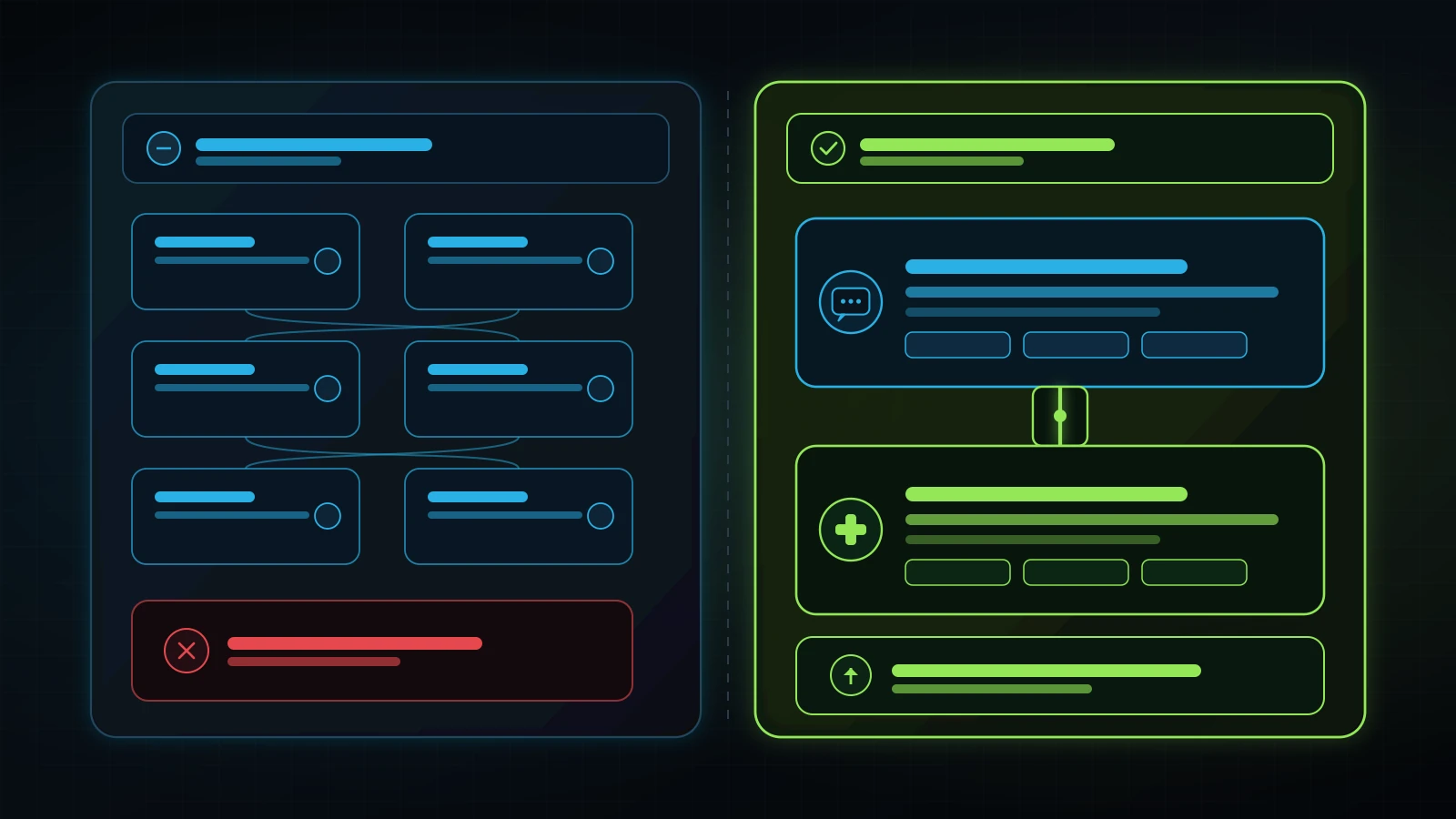
Notice the structural trade-off visible in every row above: the software vendors with the strongest clinical medical charting (AestheticsPro, PatientNow, Vagaro, Mangomint) were engineered by healthcare or salon developers, not paid-acquisition engineers. Their patient pipelines rarely connect cleanly with Meta Conversions API (CAPI), Dynamic Number Insertion (DNI) call tracking from Google Ads, instant missed call text back, or Instagram DM keyword triggers. Conversely, GoHighLevel (the underlying engine powering our $99/month OmniFlow stack and evaluated in detail inside our GoHighLevel vs HubSpot comparison) gives clinics extraordinary conversion speed and marketing attribution, yet has zero clinical SOAP charting out of the box (Decoda Health, 2026).
That is why high-performing single-location clinics increasingly avoid paying $600+ for over-sold monolithic promises or activating unnecessary $297/month CRM HIPAA surcharges unless they truly plan to keep medical records there. Instead, they pair an affordable, rock-solid clinical EMR (Mangomint at $160/mo with free BAA, AestheticsPro at $160/mo, or their existing EMR) strictly for medical charting with a lean $99/month OmniFlow (or well-built GoHighLevel) front-office growth hub strictly for top-of-funnel conversion, phone recovery, and 90-day patient reactivation.
The 7-Stage MedSpa CRM Pipeline & 5-Minute Speed-to-Lead Architecture
Most medspas track only two statuses in practice: “called once” and “booked in the EMR calendar.” Without a disciplined seven-stage opportunity pipeline, thousands of dollars in warm cosmetic consultations evaporate in the gray area between initial inquiry and completed treatment. When building an aesthetic crm system for a medical spa, every incoming inquiry must travel cleanly through seven visible stages monitored on one daily dashboard so neither ad leads nor high-ticket quote follow-ups ever stall unnoticed.
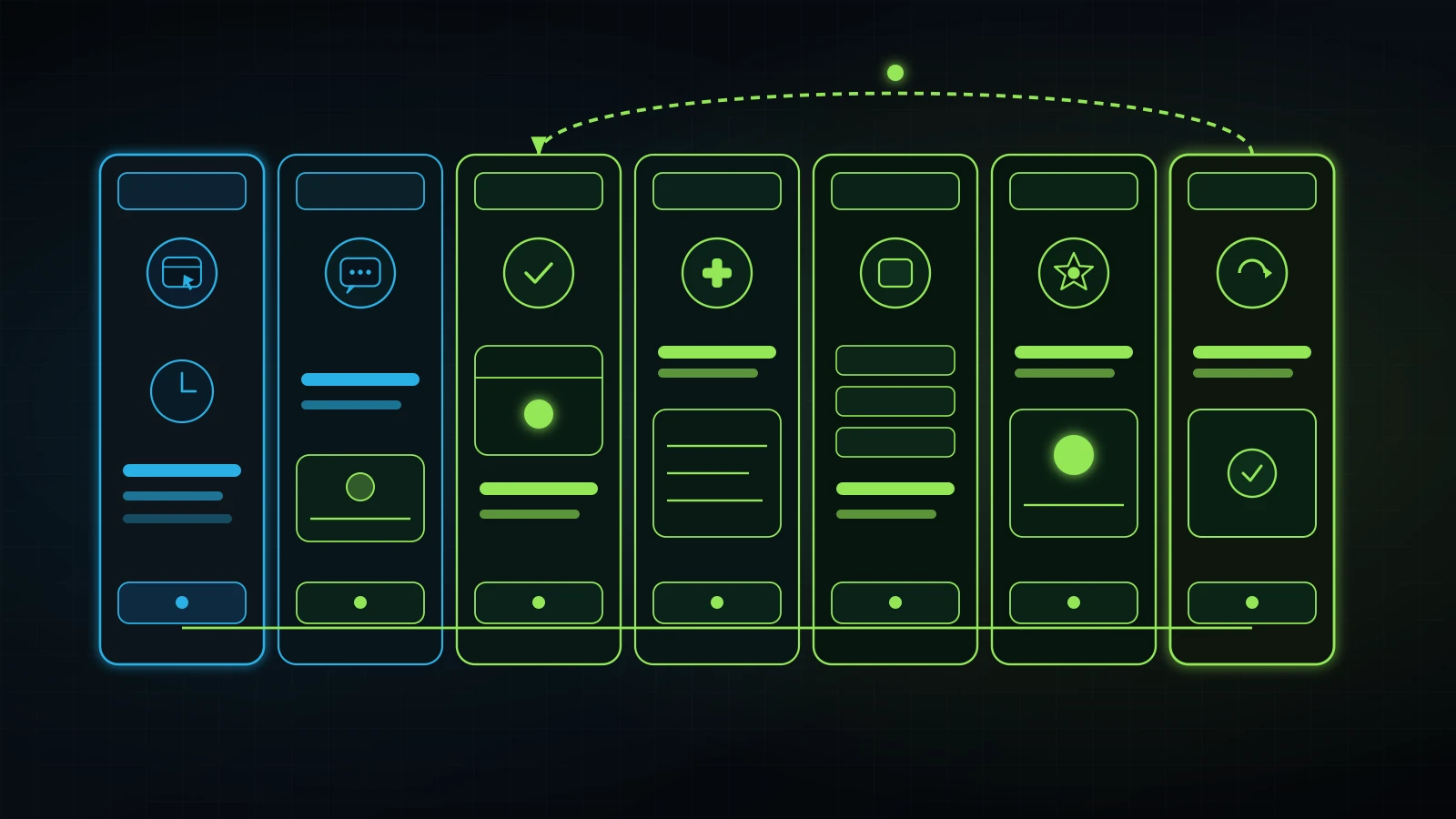
Stage-by-Stage Pipeline Breakdown (Inquiry to 90-Day Recall)
| Pipeline Stage | Entry Trigger | Target SLA / Timing | Automation & Human Responsibility Split | Exit Rule (Next Action) |
|---|---|---|---|---|
1. New Inquiry (0-5 Min) |
Meta Lead Form, IG/FB DM, Website Form, or Missed Call | Under 60 seconds auto-SMS + DM reply | CRM sends privacy-safe greeting asking preferred day/time and routes alert to front desk. | Moves to Stage 2 upon caller text reply or live pickup. |
2. Two-Way Triage (Human Bridge) |
Prospect responds by SMS/DM or AI Receptionist qualifies | Under 15 minutes live coordinator touch (business hours) | Human coordinator (or trained offshore intake rep) answers service-window pricing questions and sends calendar/deposit link. Never diagnoses. | Moves to Stage 3 once consult slot & deposit confirm. |
| 3. Consultation Booked (Deposit Locked) | Calendar booking webhook from growth CRM or EMR | Immediate confirmation + 48h & 2h reminders | Automated SMS confirms clinic address, parking, and cancellation policy. Encrypted EMR sends intake forms separately. | Moves to Stage 4 at check-in, or triggers No-Show Rescue workflow. |
| 4. Consult Completed / Quote Open | Provider completes consult; patient leaves without buying full plan | Day 1, Day 3 & Day 7 value follow-up | Injector or patient coordinator sends polite check-in with CareCredit/financing info or splits series pricing without pushy pressure. | Moves to Stage 5 upon treatment checkout. |
| 5. Active Treatment / Package Series | Patient completes first session or buys 3-to-6 session laser/skin package | Real-time status webhook from EMR | CRM suspends cold promo drips immediately and pauses solicitation so existing clients never get new-lead discount ads. | Moves to Stage 6 after final visit in cycle. |
| 6. Post-Care Check & Review Trigger | Treatment Completed timestamp logged in clinic ops |
24h check-in, Day 3 Google review ask | Clinic team conducts clinical post-care inside EMR; CRM fires neutral satisfaction check-in inviting honest Google review if happy. | Moves to Stage 7 automatically on Day 4. |
| 7. 90-Day Neurotoxin / 60-Day Recall | Days since last Botox/Dysport/facial/laser treatment hit threshold | Day 75 soft heads-up, Day 90 direct booking | CRM triggers friendly recall text offering preferred injector’s open slots next week before holiday/season calendars fill up. | Loops cleanly back to Stage 3 for repeat booking! |
Closing the “Human Gap” in MedSpa Lead Generation
Benchmark research highlights a critical operational trap inside aesthetic marketing tools: automation alone solves the first 60 seconds, yet conversions collapse if a knowledgeable human coordinator fails to step into the conversation (Aesthetix CRM, 2026). Remember that 48.9% of medspa inquiries never receive a direct human text or call within seven days even when software auto-responders are turned on, while practices combining fast automated response with attentive human outreach lift consultation conversion rates meaningfully (Aesthetix CRM, 2026; Radiant MD Consulting, 2026).
Inside Integral Technologists and OmniFlow, we solved this exact bottleneck through two practical operating principles documented across our client teams:
- Empower a Single CRM Department Champion: Rather than hoping four busy injectors learn GoHighLevel workflow logic, we appoint one capable systems champion per team. In our agency operations, Talha (known to our US clients as Jason) leads CRM and paid-ads execution. Once trained on combining CRM workflows with AI responsiveness, Talha documented and trained junior staff around clear checklists so leadership stopped being the single point of failure.
- Pair AI Speed With Affordable Dedicated Human Coordinators (Non-Clinical Scope Only): Many single-location clinics cannot afford $4,500+/month in local US receptionist payroll just to watch an omnichannel inbox from 8 AM to 8 PM (Illustrative Model, 2026). As an illustrative example from our staffing operations, a dedicated remote medspa inbound receptionist/front-desk coordinator fluent in English and trained strictly on aesthetic scheduling etiquette typically runs around $500 per month through structured remote teams, subject to exact shift scope and contractual terms. Strict clinical boundary: remote intake staff handle ONLY inbound phone answering, appointment scheduling, confirmation reminders, and basic logistical Q&A. They never provide medical opinions, clinical assessments, or product prescriptions, escalating any clinical question immediately to licensed clinic providers.
4 Privacy-Safe MedSpa SMS Templates (Zero PHI Exposure + TCPA Safe)
Copy these four SMS templates directly into your CRM’s lead follow-up system or GoHighLevel workflows. Notice how each script protects patient privacy over unencrypted carrier SMS while sounding warm and unmistakably human (HHS, 2026; CTIA, 2026):
- Meta / Instagram Lead Form Opener (Sent 30 Seconds After Submit):
“Hi {{contact.first_name}}, this is the Patient Coordinator team at {{location.name}}! Thanks for reaching out through our website/ad just now. We do not collect private medical notes by text, so simply reply with what days or times usually work best for a quick consultation and we will match an opening with our team. Reply STOP to opt out.”
- Missed-Call Privacy-Safe Recovery Text (Sent 12 Seconds After Hang-Up):
“Hello from {{location.name}}! Our front desk is assisting a guest in-clinic and just missed your call. Please avoid sharing personal health details over SMS; let us know your preferred day for a callback or request an appointment directly here: {{custom_values.booking_link}} - Reply STOP to opt out.”
- Consultation Confirmation & Deposit Protection (Sent Upon Booking):
“Confirmed! Your visit at {{location.name}} is reserved for {{appointment.start_time}} at {{location.address}}. If you received an encrypted patient-portal link via email from our medical charting system, please submit those intake forms at least 24 hours ahead so you spend zero wait time in the lobby. Reply RESCHEDULE if needed.”
- 90-Day Neurotoxin / Seasonal Refresh Recall (Strict Consent Opt-In List):
“Hi {{contact.first_name}}, quick note from {{location.name}}! It has been about three months since your last visit with our clinic. If you are ready to get back on the calendar before next month’s schedule fills up, reply REBOOK and we will text over this week’s open consultation windows. Reply STOP to opt out.”
90-Day MedSpa Rebooking, Membership & Review Loop Architecture
With 73% of typical medspa revenue coming from repeat patients rather than first-time ad clicks, an automated retention engine inside your medspa crm routinely out-earns doubling your Google or Meta ad budget (AmSpa, 2025). New aesthetic patient acquisition through paid ads routinely costs hundreds of dollars per booked chair once agency fees and consultation no-shows are priced in; getting an already satisfied patient back for their third quarterly visit costs pennies in carrier SMS fees (Illustrative Model, 2026).
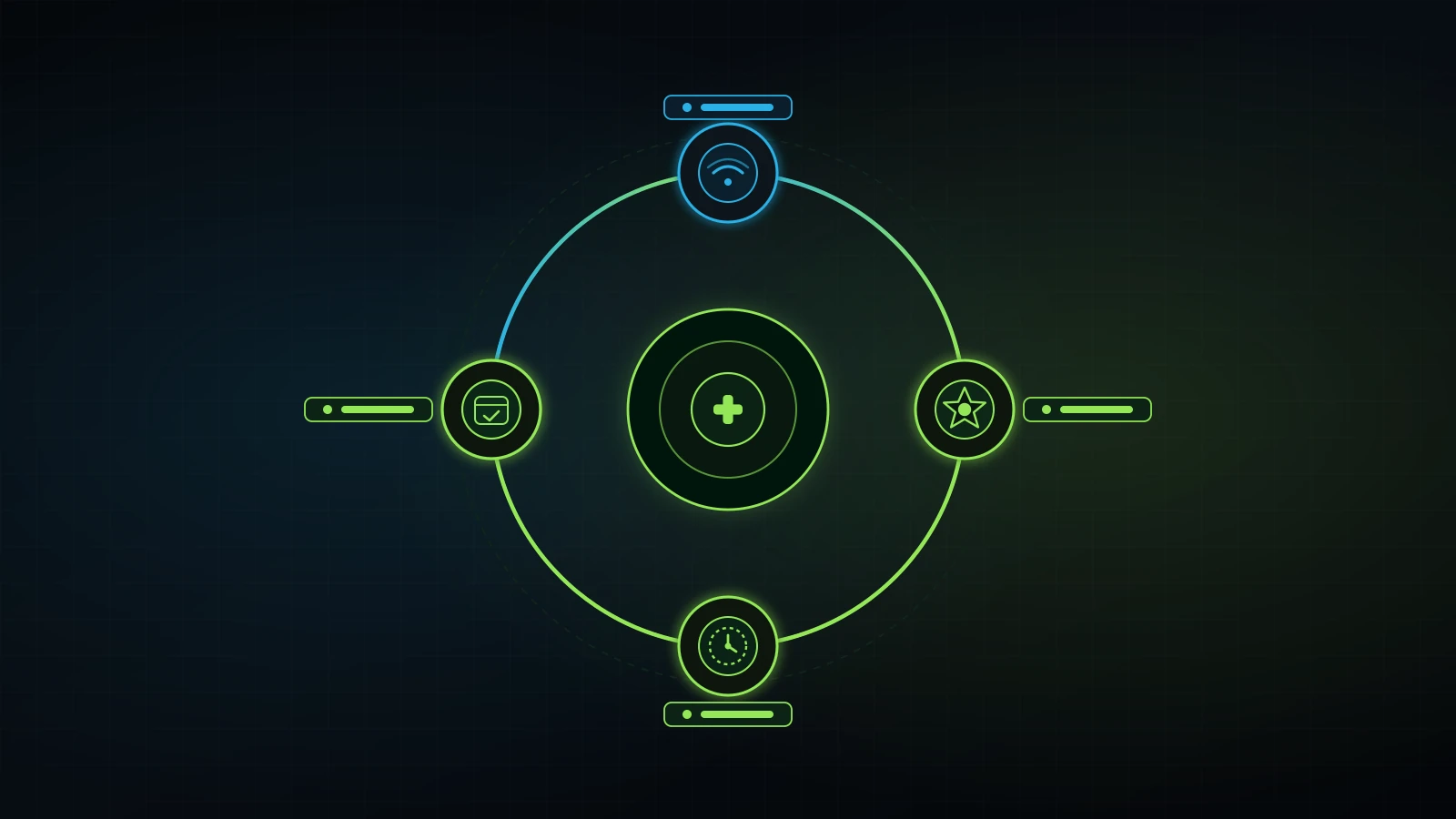
The 5-Touch Post-Treatment Retention Cadence
| Timing Window | Automated / Coordinated Action | Operational Objective | Compliance & Reputation Safeguard |
|---|---|---|---|
Day 1 (+24 Hours Post-Visit) |
Warm check-in SMS from coordinator (“Checking in after yesterday’s visit to ensure everything feels smooth…”). | Catch minor bruising/swelling concerns early before anxiety leads to bad reviews; direct clinical questions to nurse line/EMR portal. | Never discuss detailed medical procedures or prescribe changes over plain SMS; direct clinical Qs straight to licensed staff (HHS, 2026). |
Day 3 (+72 Hours Post-Visit) |
Clean, honest Google review invitation link sent via SMS + email to completed first-time and milestone patients. | Compound Google Maps Local Pack authority alongside your Google Business Profile audit. | Strict FTC compliance: Never engage in conditional “review gating” (suppressing links based on star ratings). Ask all treated clients honestly for feedback (FCC / FTC Guidelines). |
Day 45 (6 Weeks) |
Soft educational check-in for facials, chemical peels, microneedling, or multi-session laser maintenance plans. | Keep skincare package holders active before skin routines stall around month two. | Use segmented CRM tags (Package: Series Active) so laser patients are not pitched conflicting treatments prematurely. |
Day 75 to Day 90 (Quarterly Refresh) |
Gentle calendar invite timed specifically to natural neurotoxin/injectable re-evaluation intervals. | Capture quarterly repeat bookings before the patient gets busy or sees a competitor’s seasonal flash promo on Instagram. | Strictly send only to opted-in SMS subscribers (Marketing Consent = True) during local daytime hours (9 AM to 7 PM) (FCC, 2025). |
Day 120+ (Dormant VIP Reactivation) |
Personal plain-text email/SMS note from patient coordinator asking whether they are still booking locally. | Re-engage high-ticket past clients whose membership paused or lapsed without heavy margin-destroying discounting. | Cap automated win-back attempts at two touches, then archive politely to preserve domain & carrier sender health (CTIA, 2026). |
Notice how cleanly this connects front-end reputation velocity directly back into local search rankings. When a practice earns 6 to 12 authentic, detailed Google reviews every single month from real Day-3 check-ins, organic Map Pack impressions climb across high-margin treatments without inflating ad spend, compounding the impact of any conversion rate optimization audit.
First-Party Case Study Evidence & Illustrative MedSpa Economics
Evaluating medspa marketing and software ROI requires separating verified public evidence from speculative industry hype. Below are two documented client deployments from Integral Technologists and OmniFlow (strictly citing publicly published case-study documentation), followed by a transparent hypothetical revenue-recovery calculation (Illustrative Model, 2026):
- A Younger You Wellness & MedSpa (Englewood, Florida): Publicly Documented 90-Day Consolidation Case Study:
- Verified Context (
integraltechnologists.comPublished Case Study): Prior to system restructuring, the clinic was bleeding over $1,200 per month across fragmented marketing, CRM, booking, and web subscriptions with disconnected patient lead tracking and weak local SEO visibility (Integral Technologists Case Study, 2026). - Operational System Deployed: Under an accessible rebuild framework (delivering an SEO-structured website under $500 alongside CRM consolidation into our $99/month OmniFlow platform), the clinic replaced overlapping SaaS subscriptions with unified CRM capture, automated speed-to-lead follow-up, and localized search architecture (Integral Technologists Case Study, 2026).
- Published 90-Day Case Study Outcomes: Within 90 days, the clinic’s published case documentation reports 82 ranking search queries, roughly 20 terms reaching Google Position #1, and average Google Search Console position strengthening from 19.1 to 13.7 while slashing monthly software bloat from
>$1,200/monthinto $99/month OmniFlow (Integral Technologists Case Study, 2026). (Note: cited transparently as first-party published case-study documentation rather than independently audited third-party accounting.)
- Verified Context (
- TOCC Aesthetics: Public Portfolio Brand, Web & Meta Ads CRM Integration:
- Verified Context (
integraltechnologists.comBlog & Portfolio): Publicly documented client execution pairing custom aesthetic web development, brand presentation, GoHighLevel/CRM intake routing, and Meta Ads lead-to-booking workflow synchronization so paid social clicks land inside organized pipeline stages rather than raw spreadsheets.
- Verified Context (
Illustrative Single-Location MedSpa Annual Savings & Lead Recovery Model
Plug your clinic’s actual monthly paid inquiries and average initial treatment value into this transparent baseline comparison for a single-location practice handling 80 inbound aesthetic leads per month across phone calls, Meta Ads, and Instagram DMs at an average visit transaction of $530 (AmSpa baseline) (Illustrative Model, 2026):
| Monthly Operational & Financial Metric | Model A: Disconnected Stack (EMR + $1,200/mo Bloated Plugins + Voicemail) |
Model B: Dual-Stack Architecture (Clean Clinical EMR $160 to $285/mo + $99/mo OmniFlow CRM + Human Bridge) |
Net Impact (Model B vs. Model A) |
|---|---|---|---|
| Monthly CRM & Marketing Stack Cost (Excl. Clinical EMR & Media) | ~$1,200/mo fragmented tools (case study baseline) (Integral Technologists Case Study, 2026) |
$99/mo OmniFlow (+ carrier SMS credits & optional HIPAA EMR separately) | Save ~$1,101/mo ($13,212/yr software waste cut) |
| Inbound Calls + Ad Inquiries Handled Monthly | 80 leads/mo | 80 leads/mo | Same marketing budget |
| First-Touch Response Time | 12+ hours average human reply (48.9% no staff touch within 7d) (Aesthetix CRM, 2026) | Under 60 seconds auto-SMS + under 15 min live coordinator follow-up | Eliminates multi-clinic comparison loss |
| Lead-to-Booked-Consultation Rate (Hypothetical Projection) | 18% (14.4 consults/mo) | 34% (27.2 consults/mo) (Illustrative Model, 2026) | +12.8 additional consultations/mo |
| Show Rate After Confirmation & 48h/2h Reminders | 70% (10.1 completed visits/mo) | 85% (23.1 completed visits/mo) (Illustrative Model, 2026) | +13.0 completed initial patient visits/mo |
Monthly Front-End Patient Revenue ($530 AmSpa Avg Ticket) |
$5,353/mo | $12,243/mo (Illustrative Model, 2026) | +$6,890/mo front-end revenue (before 73% repeat LTV) |
(Source: Illustrative Model, 2026, benchmarked on AmSpa’s $527 to $536 average medspa transaction size and Aesthetix CRM speed-to-lead baselines; actual clinic performance depends on provider skill, market pricing, ad targeting quality, and front-desk responsiveness.)
Look closely at the economics: before accounting for lifetime value across a 73% repeat-visit patient base, simply stopping redundant SaaS bleed and fixing the first five minutes of inquiry handling changes the trajectory of a single-location clinic without increasing your Meta or Google ad spend by a single dollar (AmSpa, 2025; Illustrative Model, 2026).
Step-by-Step 14-Day MedSpa CRM Migration & Audit Checklist (Zero Clinic Disruption)
Owners delay fixing broken medspa systems because nobody wants patient appointments disrupted on a busy Friday injection day. Follow this exact 14-day phased rollout to migrate lead intake and retention cleanly while keeping every active medical record untouched inside your clinical EMR (structured using our business process documentation playbook):
Days 1 to 4: SaaS, HIPAA & Leak Audit
- Export Every Clinic Software Charge from the Past 90 Days: Pull bank and credit card statements to list every monthly subscription (
EMR, standalone review apps, email blasts, SMS providers, form builders, landing-page tools). Highlight overlapping tools to prepare immediate cancellations after Day 10. - Verify Every Vendor’s Signed BAA & PHI Exposure: Confirm you hold an executed Business Associate Agreement with your clinical EMR and inspect where unencrypted patient health notes might be sitting inside legacy email marketing tools, Zapier logs, or spreadsheets (HHS, 2026).
- Pull 30 Days of Raw Call & Lead Logs: Count how many incoming calls hit voicemail during business hours (18% to 40% average risk benchmark) and measure median minutes elapsed between Meta/web lead submission and first human text (GlowFlow, 2025; Aesthetix CRM, 2026).
Days 5 to 9: Architecture Build & Carrier Compliance
- Lock Your HIPAA Separation Rule Before Creating Pipelines: Configure your growth CRM (
OmniFlowor GoHighLevel) to collect only name, mobile number, email, campaign UTM, and broad scheduling interest. Direct clinical health questionnaires strictly to your EMR’s encrypted patient portal after booking (GoHighLevel, 2026; HHS, 2026). - Submit Your Clinic’s A2P 10DLC Campaign Registration (
TCR): Match your IRS EIN legal clinic name and address cleanly to your website privacy policy (stating SMS opt-in data is never shared or sold) and register under Customer Care + Mixed/Marketing use cases (CTIA, 2026). - Build the 7-Stage Pipeline & Wire Conditional Call Forwarding (
*71/ Busy + No-Answer Rollover): Enable smart missed call text back with landline exclusion and 24-hour cooldown filters without changing your clinic’s published front-desk phone number.
Days 10 to 14: Shadow Test, Train Team & Cancel Bloat
- Run End-to-End Live Test Submissions Across Every Channel: Submit a test lead on your website, Instagram DM, Meta ad preview, and unanswered test phone ring from an external cell phone. Confirm sub-60-second response, calendar link delivery, EMR notification, and clean CRM pipeline attribution.
- Assign Accountability & Morning Dashboard Rhythm: Follow our rule on how to hold employees accountable: designate one CRM lead coordinator to clear Stages 1 through 4 every morning at 9:00 AM, noon, and 4:00 PM instead of leaving response ownership scattered across six staff cell phones.
- Activate 90-Day Neurotoxin Recall on Consented Patients & Shut Off Redundant Tools: Import opted-in repeat clients with last-visit dates only (zero clinical notes) to launch quarterly rebooking, then cancel overlapping SMS, landing-page, and review subscriptions cleanly.
Next Steps and Related Operational Guides
- Executive Tech & Operations Advisory: Explore the $499/month founder-to-founder advisory model with Faiz Ahmed, starting with a free 30-minute discovery call.
- Operations, AI & CRM Implementation Services: Review our managed OmniFlow CRM, AI call triage, and A2P 10DLC automation scope.
- Book a Free 30-Minute Discovery Call: Open your live call logs, website forms, and CRM setup together on screen with Faiz Ahmed.
- Hiring a GoHighLevel Consultant: An Owner’s Guide: Audit sub-account ownership, pipeline architecture, and custom workflow hygiene inside GoHighLevel.
- Missed Call Text Back: Setup, Scripts & CRM Guide: Turn unanswered phone calls into instant two-way SMS consultations in under 15 seconds.
- Tech Stack Audit: A Guide for Small Business: Consolidate disconnected EMR, texting, scheduling, and form subscriptions into one growth engine.
- Lead Follow-Up System: A Small Business Playbook: Install the sub-60-second multi-channel follow-up cadence that converts inbound aesthetic inquiries into confirmed bookings.
- GoHighLevel vs HubSpot: An Operator’s Honest View: Compare telephony, two-way SMS automation, and total seat costs for service businesses.
- AI Receptionist for Small Business: Honest Guide: Pair live AI voice overflow with front-desk intake so after-hours calls never roll to voicemail.
- Facebook Ads Audit: 7-Step Meta Account Checklist: Audit Meta lead generation funnels, CAPI deduplication, and ad-to-consultation conversion efficiency.
- Google Business Profile Audit: 7-Step GBP Checklist: Capture local Map Pack searchers looking for Botox, laser, and aesthetic clinics without breaking NAP consistency.
- Conversion Rate Optimization Audit: 7-Step Guide: Fix mobile 390px landing page friction and form abandonment on paid campaign clicks.
- How to Hold Employees Accountable Without Micromanaging: Establish clear daily CRM intake SLAs and Kanban review rhythms for clinic coordinators.
- Business Process Documentation for Small Business: Turn front-desk intake, consult follow-up, and recall into living standard operating procedures.
References
- U.S. Department of Health & Human Services (HHS) (2026). HIPAA for Professionals: Business Associates and Covered Entity Security Guidance. https://www.hhs.gov/hipaa/for-professionals/privacy/guidance/business-associates/index.html
- American Med Spa Association (AmSpa) (2025/2026). Medical Spa Industry Statistics & Single-Location Benchmarks. https://www.americanmedspa.org/med-spa-statistics/
- GoHighLevel Official Support Documentation (2026). HIPAA Compliance with HighLevel ($297 Add-On, BAA, and Permanent Sub-Account Lock-In). https://help.gohighlevel.com/support/solutions/articles/48000983084-hipaa-compliance-with-highlevel
- Mangomint (2026). 2026 Transparent Pricing Updates & Included BAA/Clinical Features. https://www.mangomint.com/learn/price-changes-2026/
- AestheticsPro (2026). MedSpa EMR Software Pricing Tiers & Feature Breakdown. https://www.aestheticspro.com/Software-Pricing/
- Integral Technologists (2026). A Younger You Wellness & MedSpa: 90-Day Case Study & OmniFlow Consolidation Report (First-Party Case Documentation). https://www.integraltechnologists.com/blog/a-younger-you-medspa-90-day-case-study.html
- Aesthetix CRM (2026). Speed-to-Lead Benchmarks for Aesthetic Practices & Human Follow-Up Gap Analysis. https://aesthetixcrm.com/speed-to-lead-aesthetic-practices/
- Federal Communications Commission (FCC) & CTIA (2025/2026). TCPA Consumer Consent Revocation Rules and US Carrier A2P 10DLC Messaging Standards. https://www.fcc.gov/consumers/guides/stop-unwanted-robocalls-and-texts
- DataForSEO & Google Search Status Dashboard (2026). Live US Keyword Overview, Google Organic SERP, AI Overview References, Bulk Referring Domains Data (
medspa crmcluster), and Ranking Releases History (Verified November 8, 2026). https://status.search.google.com/products/rGHU1u87FJnkP6W2GwMi/history
Disclaimer: This article reflects the author’s personal opinion and a decade of practical experience building and auditing medspa operations, CRM pipelines, inbound phone systems, and paid growth platforms. Firsthand operational references (including clinical exposure from 2021 to 2025 at Dr. J Anti-Aging Clinic alongside Dr. Junaid Syed and publicly documented engagements at Integral Technologists for A Younger You Wellness & MedSpa and TOCC Aesthetics) describe real operating work, while financial comparisons and lead recovery calculators are simplified illustrative models (Illustrative Model, 2026) rather than guaranteed financial outcomes, and HIPAA summaries provide architectural guidance rather than formal legal counsel. The author has a commercial interest in advisory, CRM, and automation implementation through The Retired Consultant, Integral Technologists, and OmniFlow, as disclosed under the byline.
